YouTube has introduced a major change to how it handles advertising which has many content creators, users, and advertisers outraged.

Breaking with its tradition of sharing ad revenue with the channels they are shown on, YouTube is beginning to show ads on channels which have not opted into monetization. 

This means that the channel creator did not approve the inclusion of ads and – perhaps most importantly – they will not receive any revenue from the placement of ads within their videos. 

Until now, video creators had to join the YouTube Partner Program and enable monetization in order for ads to be shown on videos across their channel.

This helped strike a balance where those who wanted could create their videos planning for the inclusion of ads while others could rely on sponsorships to generate revenue or simply not monetize their videos. 

All of this was introduced via a change to YouTube’s Terms of Service with very little communication to users and content creators. 

Right To Monetize

YouTube added a new section to its Terms of Services recently titled Right to Monetize which introduces the ability to advertise on any and all videos. 

In order to use YouTube, all users must agree to the Terms of Service, making it mandatory for uploading videos or even viewing and  engaging with videos. 

A brief selection of the new section largely lays out the changes taking place:

“You grant to YouTube the right to monetize your Content on the Service (and such monetization may include displaying ads on or within Content or charging users a fee for access). This Agreement does not entitle you to any payments.”

Although YouTube says it is starting slowly by rolling out ads to a small number of channels which have not joined the Partner Program, it will be hard to track how true this actually is. The company has chosen not to notify channels when ads begin appearing on their videos, so it is hard to gauge how widely the change has been implemented. 

While YouTube says channels which are not part of the Partner Program can apply for the program if they wish to receive revenue, it is also true that not everyone is eligible for the YouTube Partner Program. 

YouTube Partner Program Requirements

To be eligible for the YouTube Partner Program, channels have to meet a number of conditions. The biggest hurdles for most channels are the requirements stating you must have more than 4,000 valid public watch hours in the last 12 months and more than 1,000 subscribers. Adult-oriented topics may also run into issues with content guidelines.

How This Affects Advertisers

The most obvious group affected by this change are small video creators who do not meet the requirements for the YouTube Partner Program but will have ads placed on their videos nonetheless or have opted to not include ads within their videos. 

However, the new ad policies may also have an effect on advertisers. If viewers receive a double-dose of advertising through an in-video sponsorship and mid-roll ad, they may be less likely to engage with either advertisement. 

Additionally, smaller channels may cover more niche topics or themes making it harder to properly target ads to that audience. 

Lastly, the revised rules on advertising may have an unintended consequence of driving more users to YouTube’s ad-free premium service, YouTube Red. This means that although YouTube would keep getting revenue, ads may actually have smaller reach than ever and drive less sales. 

As expected, the new rules have not been warmly received. Countless creators both big and small have uploaded videos decrying the new Terms of Service agreement, with some going as far as to announce they will be changing platforms or altogether boycotting YouTube.

For now it appears YouTube is sticking with the policy change, though there is always the possibility for the platform to amend or revise its agreement if negative response is widespread enough. 
YouTube is giving video publishers new insights into where their views are coming from with a new report in YouTube Analytics. 

As explained in the latest update on the Creator Insider channel, YouTube’s team says the new report will make it easier to see where people are finding your videos along with what is overperforming and underperforming. 

The new data is directly viewable in the Overview area of the Analytics tab in YouTube Studio. 

In the section called “How viewers found this video”, you’ll find details on the percentage of views generated by each traffic source along with the overall number of viewers from each source. 

Currently, the sources in the report include: 

  • Notifications
  • Subscriptions feed
  • YouTube recommendations
    • YouTube Home
    • Up next
  • Channel pages

There is also a category labeled “Other” which would include any other traffic sources like links sent between friends or random placements. 

Along with the raw data on traffic sources, the report includes a green arrow, grey arrow, or dash next to each source. This reflects how the traffic source is performing compared to other videos on your channel. 

A green upward pointing arrow indicates the traffic source is performing better than usual. A sash or no indicator would suggest either the traffic source is performing about the same as usual, or the system does not have enough data to estimate the relative performance of that source. 

Lastly, a grey downward arrow says that source is underperforming. 

While it is perfectly normal for the traffic sources for each video to vary based on a number of factors, consistently low numbers from a source may show you need to invest efforts to improve in that area. 

For example, you might find that subscribers are not returning to your latest videos – suggesting your latest topics are not as relevant to their interests. 

Also mentioned – New Free YouTube Audio Library

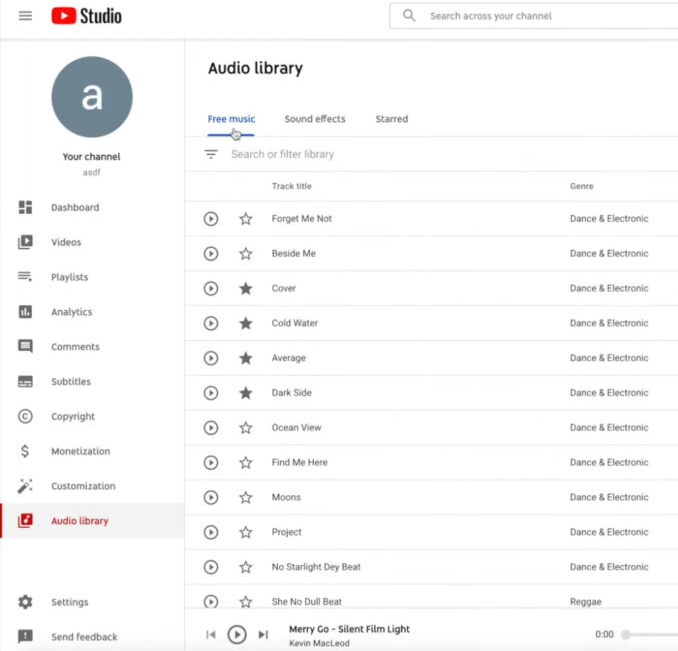
In the same video, the Creator Insider channel revealed that YouTube is providing creators with a free collection of thousands of songs and sound effects to use in your videos. 

This should make it immeasurably simpler for video creators to find copyright-free music and ensure your video will not be penalized or removed for licensing issues. 

Most importantly for those driving revenue through YouTube, you can still monetize videos when using the licensed audio from the YouTube audio library.

Search engine algorithms are tightly protected, with most of what we know pieced together through data. Google, YouTube, Bing, and Facebook prefer to keep as little publicly known as possible, to prevent people from “gaming” the algorithm to leapfrog to the top of the results. 

This week, however, YouTube revealed quite a bit about its video recommendation algorithm in a Q&A, including how a few signals directly impact rankings. 

Below, we’ve collected a few of the best questions asked in the Q&A, as well as the responses from YouTube’s team responsible for maintaining the YouTube recommendation algorithm.

Underperforming Videos

Many believe that having even one or two underperforming videos can hurt your channel overall. Is it true that a few poor videos can affect your future videos’ performance?

YouTube recognizes that not every video is going to be a smash hit. In fact, they regularly see that some channels have videos that perform very well, while others fail to hit the mark. 

This is why YouTube focuses more on how people are responding to a given video, rather than past video performance. 

As the team says, the recommendation algorithm will always “follow the audience”.

Too Many Uploads

Is there a point where a creator can be uploading too many videos? Can having a large number of uploads in a day hurt your chances of being recommended?

The simple answer here is no. YouTube’s recommendation algorithm does not directly punish channels for uploading too many videos in a day. 

In fact, there are channels which benefit from uploading numerous videos in a series at once. 

What it comes down to is how many videos your viewers are willing to watch at once. 

The recommendation algorithm will continue to recommend your videos to viewers so long as they continue to watch. 

However, if you begin to lose viewers with each successive upload, it may be a sign that your audience is at their limit. 

While there is no limit to how many videos YouTube will recommend from your channel, there is a limit to how many notifications viewers will receive in a given day. Viewers can receive up to three notifications for new videos from a single channel in a 24 hour period. 

Inactive Subscribers

After a few years, channels can develop a significant number of inactive subscribers. Can these hurt your channel, and would it be beneficial to start a new channel to reduce these numbers?

YouTube knows that there are many reasons subscribers can become inactive. Because of this, they do not factor in inactive subscribers when recommending videos. 

With this in mind, there is no real value to starting a new channel to reduce inactive subscribers or reconnect with lost viewers. 

The only reason you should consider starting a new channel is if you decide to go in a different direction with your content.

External Traffic

Does external traffic help your channel?

External traffic is absolutely a factor that YouTube’s recommendation algorithm considers and can help your videos get recommended. 

However, there are limits.

While external traffic will help your video get recommended to viewers, it has to continue to perform well to continue being shown. 

To continue being recommended, viewers have to not only click on your video but respond well to the content. 

Does this mean it will hurt my video if I’m getting lots of traffic from external websites and it is dragging down my click-through-rates and average view durations?

This is actually a common phenomenon so YouTube will not punish your video if the average view duration drops when receiving large amounts of external traffic. 

What really matters is how people respond after clicking on your video in their recommendations.

To hear the YouTube recommendation team answer these questions in more detail, watch the full video below:

Over the weekend, YouTube announced a series of 5 new updates to make it easier for people to find, watch, and interact with videos on mobile devices. 

The updates affect a wide range of features while also introducing a few new ways to use the YouTube app, including:

  • Easier Browsing of Video Chapters
  • Streamlined Player Pages
  • New Gestures
  • Suggested Actions
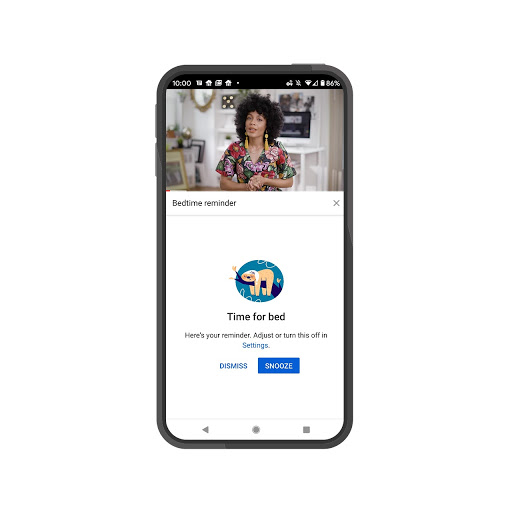
  • Bedtime Reminders

As the video platform says in the announcement

“With a global community of two billion people on YouTube, we’re always looking for ways to make it easier to watch and interact with your favorite videos.”

With that in mind, let’s explore these new updates which are now available for all mobile users.

Better Video Chapters

YouTube is building on its video chapters feature (which lets content creators break up their videos into digestible sections).

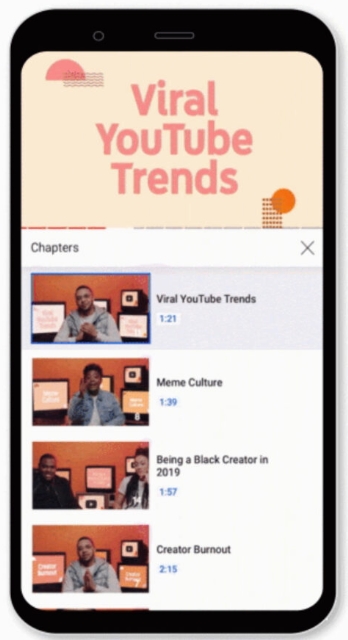
Now, users can browse a complete list of all the chapters in your videos as they are watching. This makes it easier to rewind or skip to the most interesting sections. 

In the list, each chapter will have its own individual thumbnail, title, and timestamp. 

As before, these chapters are set by simply writing out the timestamps and titles in the description section of your videos. 

The only requirements are that you include at least three chapters in your video, with the first one beginning at “0:00”. Additionally, each chapter must be at least 10 seconds long. 

These chapters also appear in Google search results, making this a powerful form of SEO for your videos. 

Streamlined Video Player

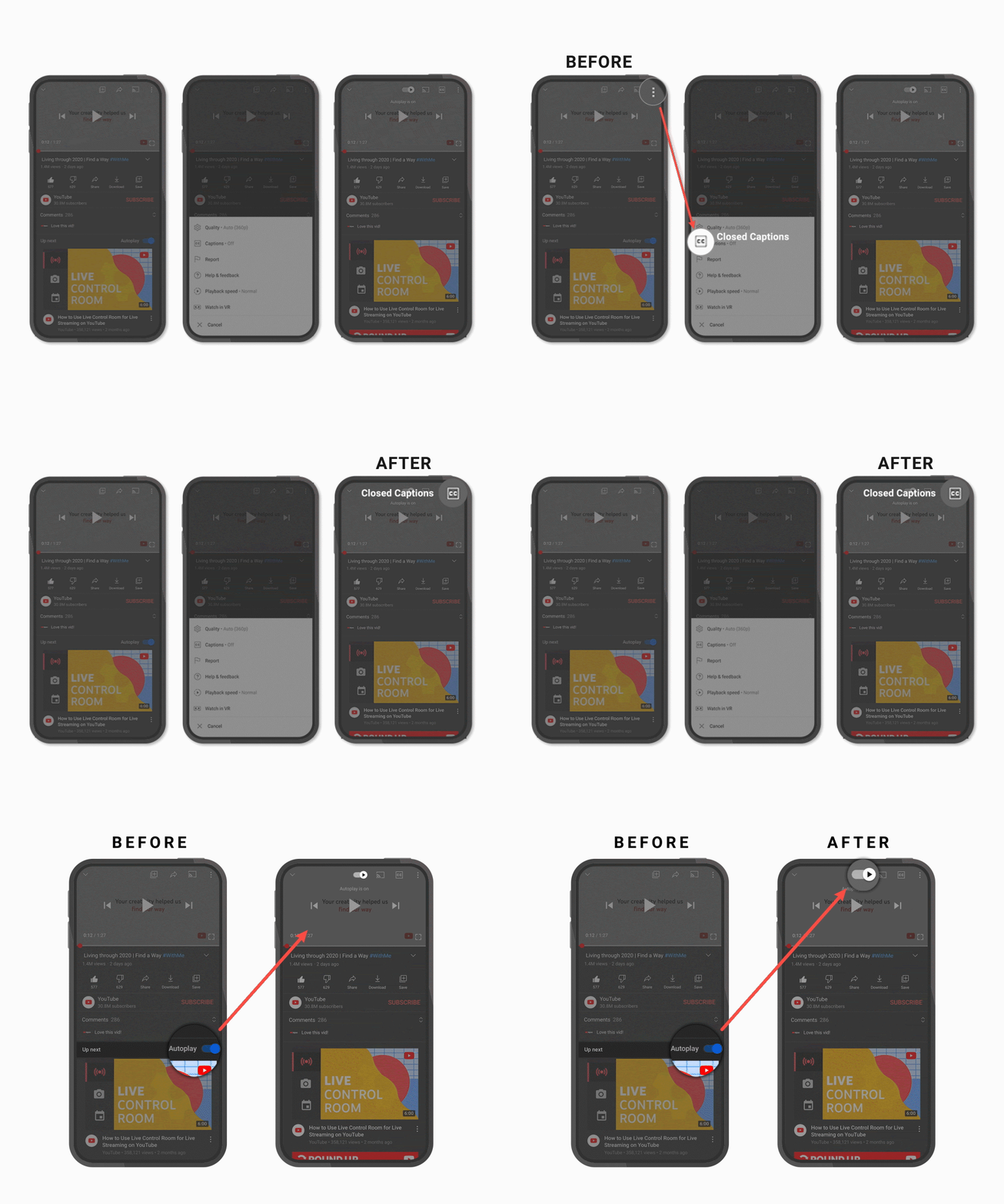
YouTube has subtly simplified its player page with a few tweaks:

  • Closed Captions button has been moved to the top.
  • Autoplay toggle has also been moved to the top.
  • Rearranging some buttons, such as the “Save” and “Share” buttons previously at the top.

New Gestures

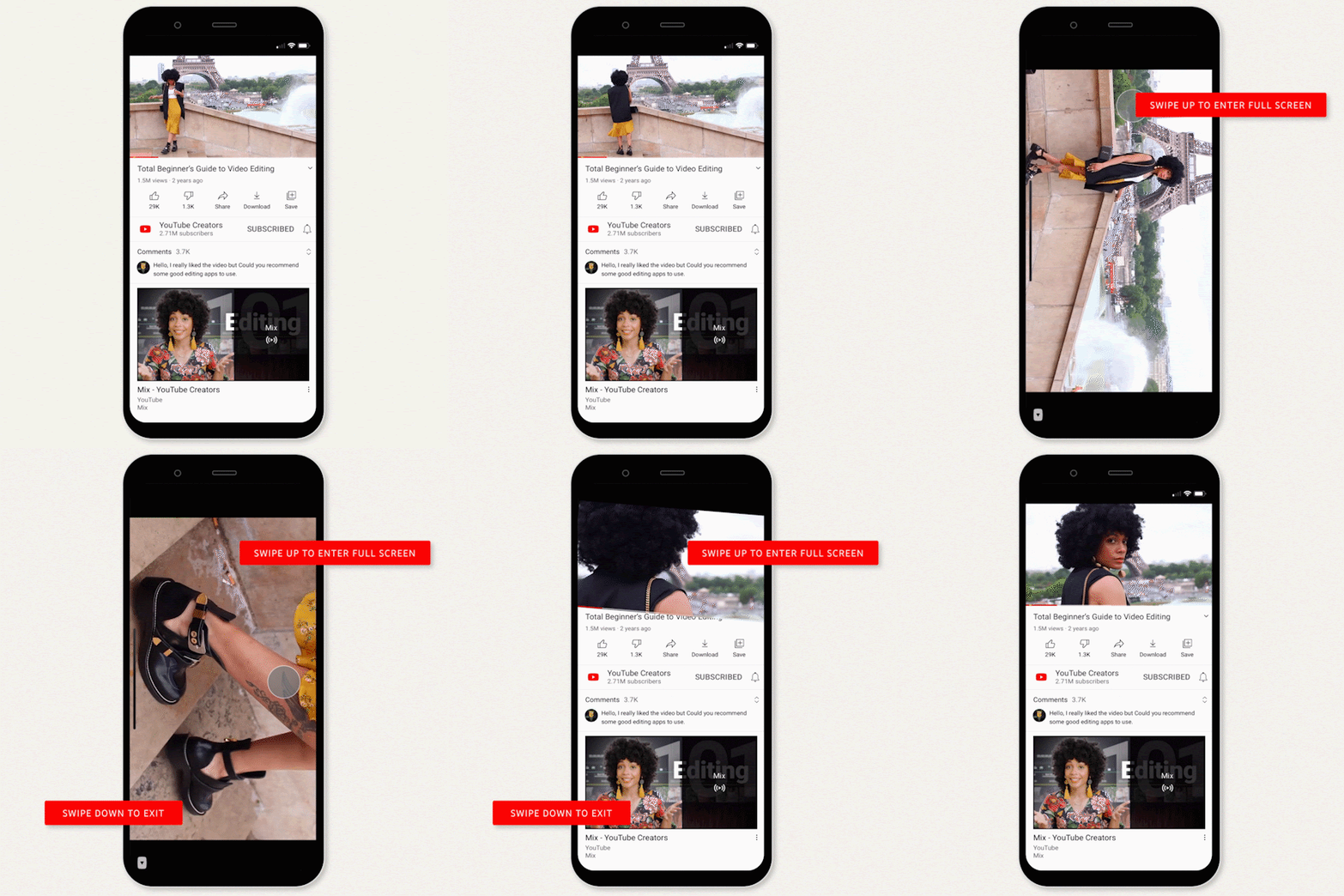
The app has been improved to support new gestures, including a quick way to exit full-screen mode. Now, you just have to swipe up to enter full-screen mode, then swipe down to exit.

You can also quickly pull up details like elapsed time and time remaining by tapping the timestamp. 

Suggested Actions

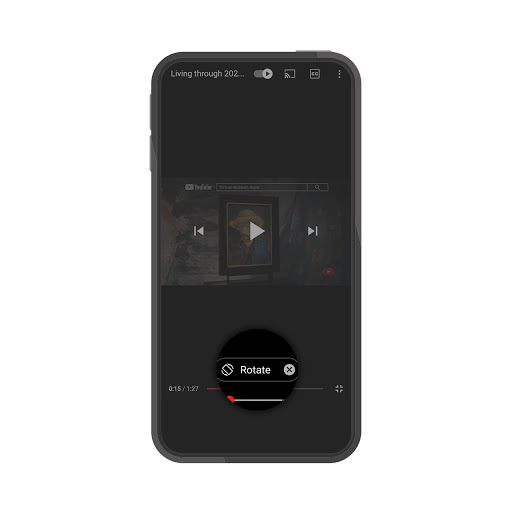
YouTube is now notifying users when a video is meant to be watched a specific way. For example, a VR device will be recommended when trying to watch a video made for virtual reality, and the app will suggest rotating your phone to properly view a widescreen format video. 

Bedtime Reminders

The last feature is focused on helping users maintain their well-being by setting specific times to stop watching videos and go to sleep. 

The feature can be set up in the settings section or by tapping your profile picture and selecting “Time Watched”. 

From there, you can set up reminders and select if you would like the tool to “Wait until I finish my video to show reminder”.

When the alert appears, you can snooze the reminder which will turn it off for 10 minutes. After that time the reminder will pop up again. 


These features are all available now for all users on iOS and Android devices. They are rolling out to others in the next few days.

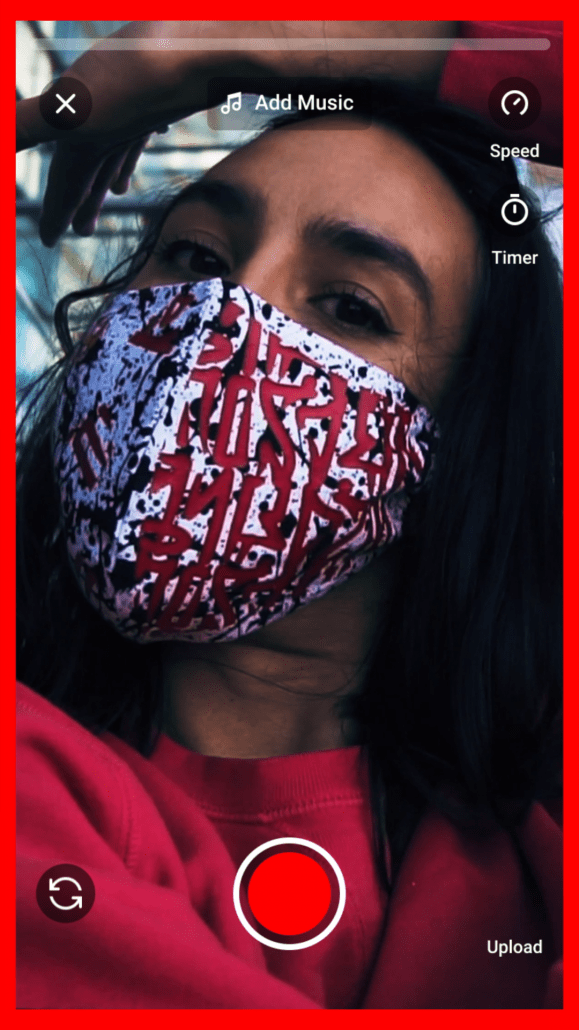
Google is testing the waters of short-form videos with a new platform similar to the popular but controversial TikTok.

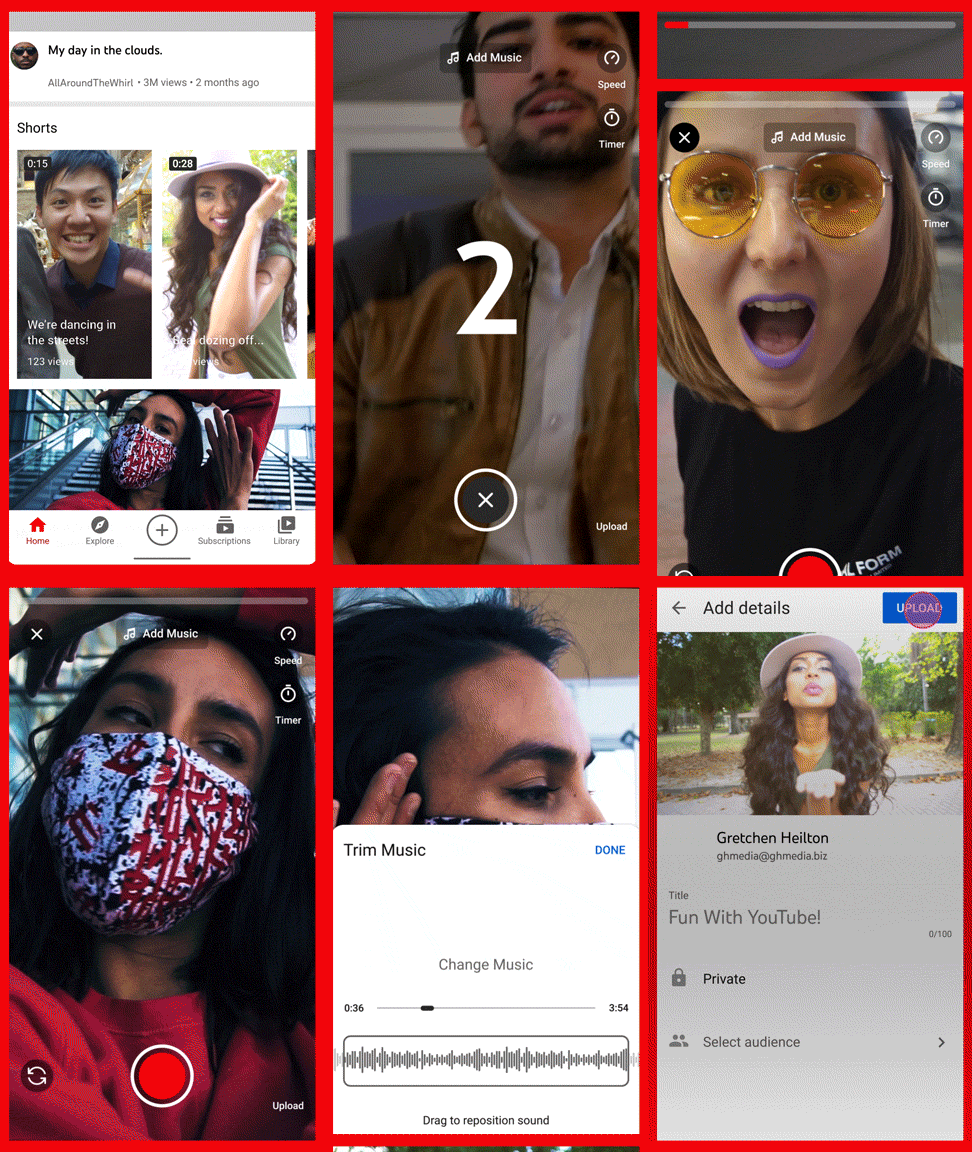
The company announced it is be launching a new service called YouTube Shorts which will focus on short, catchy videos like those found on TikTok or Instagram Reels. 

The announcement describes the new service as:

“Shorts is a new short-form video experience for creators and artists who want to shoot short, catchy videos using nothing but their mobile phones.“

For now, YouTube Shorts is limited to India as Google tests its features and public reception. 

Though features will be limited at launch, Google says YouTube Shorts will eventually include a variety of features, including:

  • Create and upload videos of 15-seconds or less.
  • Edit videos with a number of creative tools.
  • Stitch shorter clips together with a multi-segment camera.
  • Add music to videos from YouTube’s library.
  • Speed up or slow down videos.
  • Timers and countdowns.

Early Version

The version launching to users in India this week is reportedly a very limited version of the tool including only a portion of the features that will be implemented in the final release. 

The purpose of the early test is to get feedback from early users so the company can better prioritize their efforts before releasing the service to a wider audience. 

Of course, this is likely not the only reason the company decided to test the service in India. 

India banned TikTok from operating within its country on June 29 of this year, similar to the actions taken by President Trump to eventually force the company out of the U.S. 

With this in mind, there is a clear opportunity to those who launch their own take on the tool in the country sooner rather than later. Still, YouTube has already confirmed it will be bringing YouTube Shorts to more countries in the near future.

YouTube is giving us all a glimpse into how the world responded to the COVID-19 pandemic with a new batch of data showing what we’ve been watching in 2020.

The insights reveal a wide-range of trends, but an overall theme of self-care and learning new skills runs throughout. 

Let’s check out some of the most revealing details from the report:

Home Cooking

As restaurant shutdowns spread in March and remain at least partially in effect across the nation, many have had to brush up on their cooking abilities or expand their repertoire. 

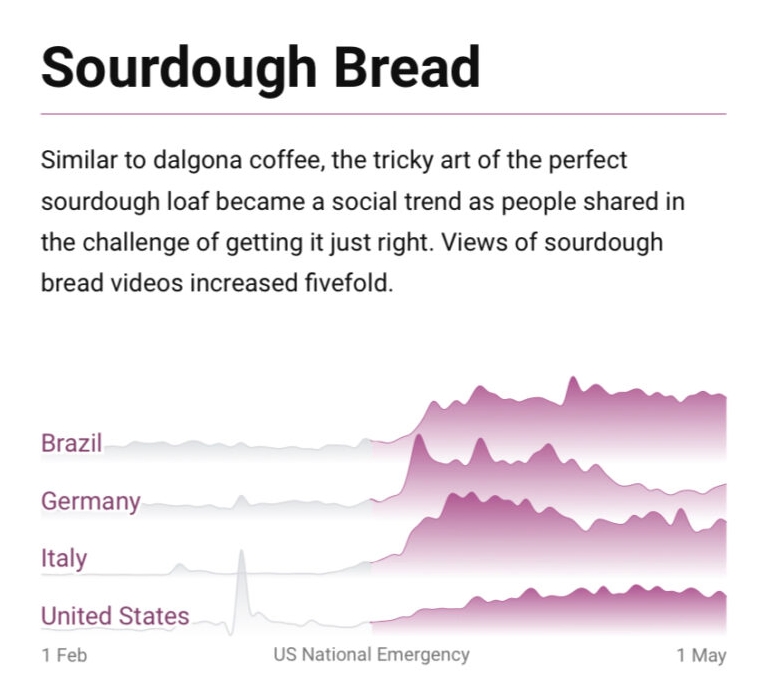
Add to this that the shutdowns gave many considerable extra time to try their hands at cooking things which take hours or even days to do properly, and you may start to understand why sourdough bread was a major trend on YouTube this year.

“By the end of March, one could make a legitimate case that a good portion of the world was simultaneously fixated on how to achieve a superlative sourdough starter. And the evidence for that was on YouTube.”

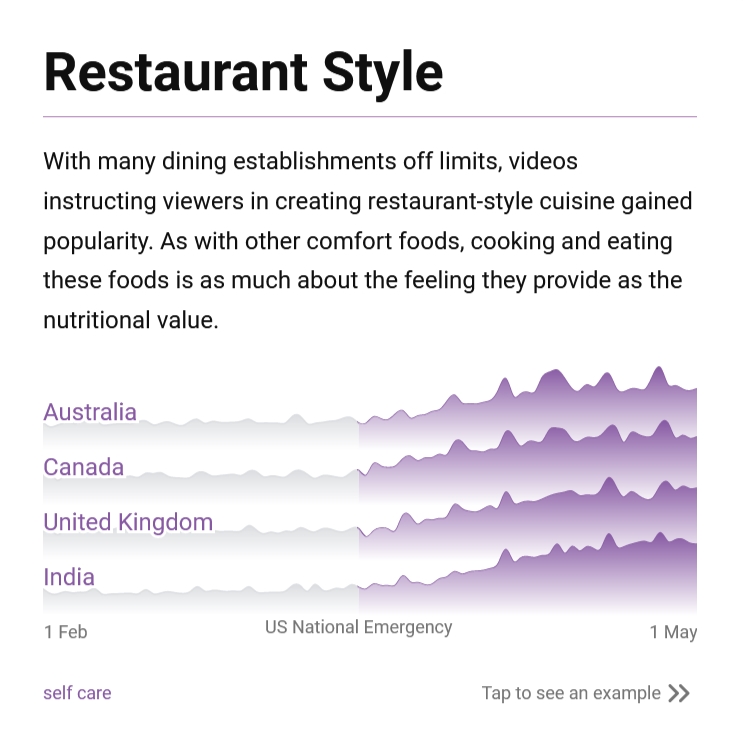
Similarly, users around the world increasingly searched for “restaurant-style” cooking techniques and recipes to replicate their favorite eateries from home. 

The company notes that it is extremely rare for countries around the world to all be searching for similar topics at the same time. Still, once the pandemic began in earnest earlier this year, global searches for cooking tutorials have been consistently heightened no matter where you live. 

Self-Care

This year has been uniquely turbulent, which has led many to use YouTube to assist in or to learn new techniques for coping with anxiety or stress. 

Specifically, people have been watching countless videos related to food, exercise, relaxation, medication, and peaceful sleeping since March. 

This includes heightened searches for a variety of topics including:

  • Yoga (Daily views have doubled since March)
  • Guided Meditation (Daily views increased 40% since March)
  • Home Workouts (Daily views increased 4x since March)
  • Nature Sounds

Keeping Close While Social Distancing

Perhaps the strongest way YouTube has helped people cope with the ongoing pandemic is by providing a way to stay connected.

“YouTube viewers used video to engage with each other directly and indirectly, sometimes in nuanced ways: even just participating in a rising coffee-making trend can make someone feel more connected to other people.”

This is most obvious when looking at the data for a few notable video trends:

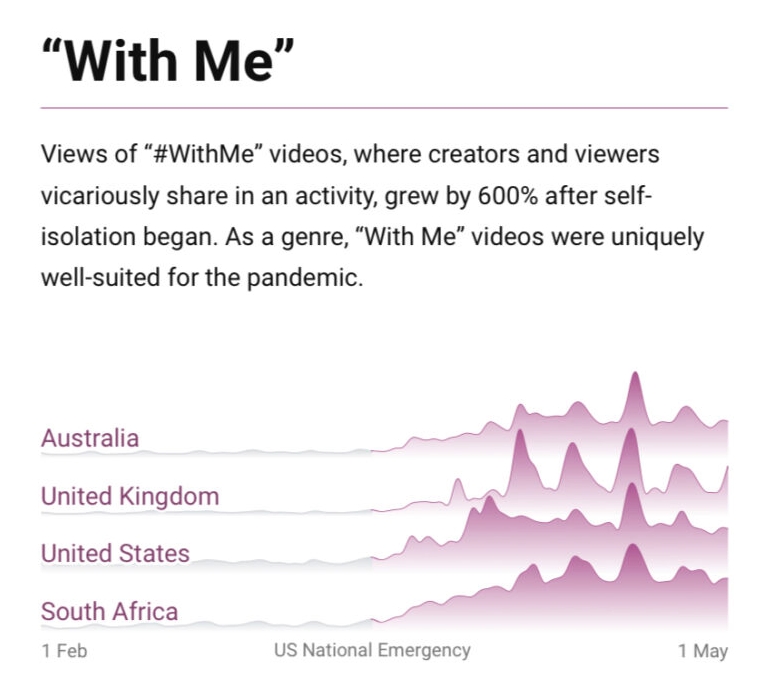
  • ‘With Me’ Videos (Views of #WithMe videos jumped 600% since March)
  • Museum Tours (Daily views up 60%)
  • Face Masks (DIY tutorials have been viewed over 400 million times)
  • Dalgona coffee (A briefly viral treat connected users around the world)

Building Your Identity

Without our usual ways to express ourselves, many saw YouTube as both a creative outlet and a learning tool for further developing their identity.

“Video proved to be a unique way people could both express who they were and who they might become — say, by learning a new skill.”

This is reflected in a variety of video topics which have trended up since March, including:

  • Gardening
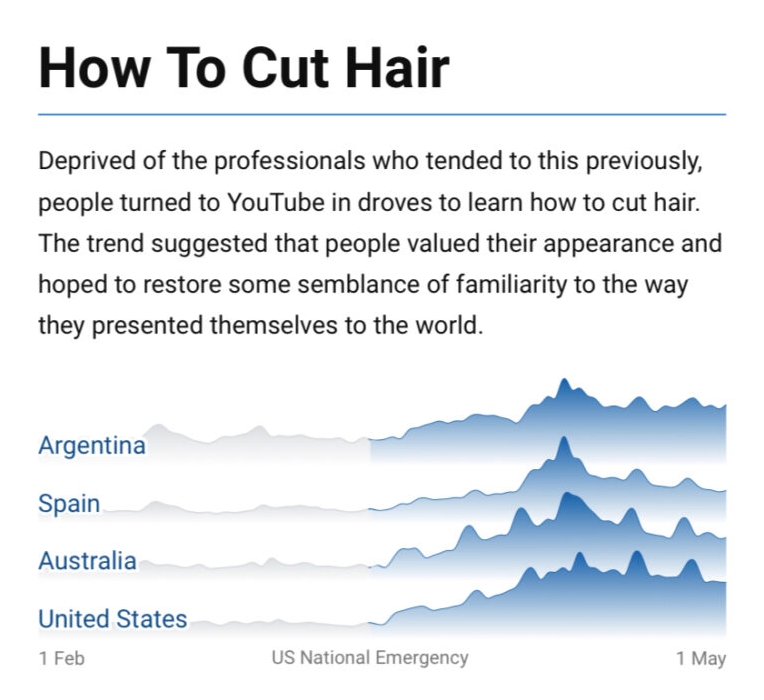
  • How to cut hair
  • Religious services
  • Video call beauty tips

YouTube as a Mirror

This data shows that people around the world have turned to a few basic needs when it comes to their content right now. From India to the U.S., YouTube says the uniformity of these trends has been “astonishing”.

When it comes to what people are watching right now, it all boils down to three basic needs:

  • Experiencing a sense of connection
  • Maintaining positivity
  • Projecting a strong sense of self

A new analysis of YouTube’s top 100 search terms of the year reveals more than just the most popular channels – it shows a subtle change to how users are engaging with the platform and what type of content they are most interested in.

While YouTube releases a few key findings at the end of the year, the company does not provide the data for the top 100 search queries each year. Thankfully, Ahrefs annually analyzes more than 800 million keywords used on the site using its Keyword Explorer tool to give us this report. 

Top YouTube Searches

Below, we are including the top 25 searches for both the US and worldwide. For the complete list of the top 100 search queries, check out the full report.

Top US Queries and Search Volume

  1. pewdiepie – 3,770,000
  2. asmr – 3,230,000
  3. music – 2,670,000
  4. markiplier – 2,380,000
  5. old town road – 2,040,000
  6. pewdiepie vs t series – 1,940,000
  7. billie eilish – 1,910,000
  8. fortnite – 1,630,000
  9. david dobrik – 1,610,000
  10. jacksepticeye – 1,580,000
  11. james charles – 1,560,000
  12. joe rogan – 1,560,000
  13. baby shark – 1,500,000
  14. bts – 1,350,000
  15. dantdm – 1,330,000
  16. snl – 1,260,000
  17. game grumps – 1,140,000
  18. cnn – 1,120,000
  19. wwe – 1,100,000
  20. lofi – 1,040,000
  21. minecraft – 1,030,000
  22. shane dawson – 993,000
  23. t series – 955,000
  24. fox news – 943,000
  25. msnbc – 936,000

Top Worldwide Queries and Search Volume 

  1. bts – 17,630,000
  2. pewdiepie – 16,320,000
  3. asmr – 13,910,000
  4. billie eilish – 13,860,000
  5. baby shark – 12,090,000
  6. badabun – 11,330,000
  7. blackpink – 10,390,000
  8. old town road – 10,150,000
  9. music – 9,670,000
  10. peliculas completas en español – 9,050,000
  11. fortnite – 9,010,000
  12. pewdiepie vs t series – 8,720,000
  13. minecraft – 8,560,000
  14. senorita – 8,290,000
  15. ariana grande – 7,890,000
  16. alan walker – 7,560,000
  17. calma – 7,390,000
  18. tik tok – 7,270,000
  19. musica – 7,140,000
  20. bad bunny – 7,040,000
  21. wwe – 6,870,000
  22. queen – 6,660,000
  23. eminem – 6,600,000
  24. enes batur – 6,600,000
  25. la rosa de guadalupe – 6,300,000

What We Can Take From This

While the lists are largely filled with the expected names like PewDiePie, Joe Rogan, and BTS, there are a few surprising placements that reveal a bit about what people are most interested in on YouTube. 

Most clearly is the rising reliance on YouTube for music. Users have always looked up the latest music videos and singles on the site, this year’s data show that people are increasingly turning to the platform for music in general. 

Nearly a quarter of the top 100 search terms in America relate to music (including the keyword “music” itself being in the third slot), and that number only goes up when looking internationally. 

It is worth mentioning that ASMR – in the second highest spot in the US – is also a uniquely auditory experience.

Additionally, the top 100 shows a rising interest in news and current events. Alongside respected outlets like MSNBC, CNN, and Fox News, the complete list includes a number of satirical news figures like John Oliver and Stephen Colbert. 

Most importantly, the top search terms reveal that people are beginning to use broader search terms than in the past. Yes, they are also searching for specific branded content like fortnite and snl, but they are also using broad terms like “music”, “lofi”, and “memes”. 

Between this and YouTube’s suggested videos, this shows that the platform is still fertile with opportunities for smaller brands among the biggest names and influencers. 

To view the full report from Ahrefs, click here.

Google appears to be testing the idea of integrating its normal web search into search results on YouTube. 

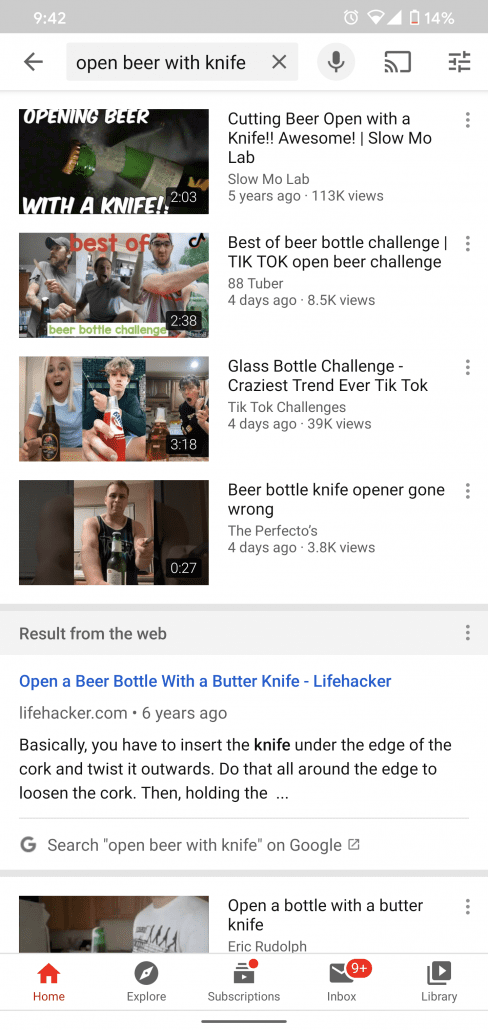
Reddit users have been reporting seeing results and links to traditional web pages when doing searches on the video platform, as you can see in the screenshot below:

YouTube Showing Google Search Result

As you can see, Google places a single web page result among the video results, with an option to click the link or jump to a search directly on Google. 

The test appears to be limited, with many (including myself) being unable to replicate it. However, there are enough reports to conclude this is a legitimate test and not a glitch or hoax. 

So far, reaction to the move has been mixed. Many have decried the potential new feature as “annoying” and said they would “ryin the YouTube experience.”

However, there have also been those who see potential in the concept, saying it could make it easier to leap to Google when YouTube doesn’t provide the results someone is hoping for.

As one user described:

“Sometimes I’m looking for a tutorial but I want a video explaining it, and if it doesn’t exist now I have the option to do a quick Google search in the app.”

Personally I see some utility in integrating a single, non-obtrusive link within video search results. Obviously, those searching on YouTube are primarily looking for exclusively video content, but there are certainly scenarios where users are moving back and forth between YouTube and Google. This would be a convenient option for those situations.

YouTube is launching a new tool to help small businesses with limited budgets or means create short, stylish promotional videos.

The company is releasing a beta version of the tool ahead of schedule in recognition that the ongoing coronavirus pandemic has made it unsafe to shoot in-person videos for businesses.

“Because businesses of all sizes are strapped for time and resources and in-person video shoots are no longer practical in many countries, we are accelerating the next stage of Video Builder availability.”

The YouTube Video Builder makes it easy to create videos between 6-seconds and 15-seconds long using an array of templates and aesthetics.

Importantly, you don’t need to have any existing video footage. Businesses are just asked to provide their own images, text, and logos which are then animated into a video.

You can customize the colors, fonts, and even music thanks to Google’s royalty-free audio library.

Once finished, you are free to share the videos anywhere you like. The obvious choice would be to use it to promote your brand on YouTube. However, you can also share it on Facebook, your website, or anywhere else you choose.

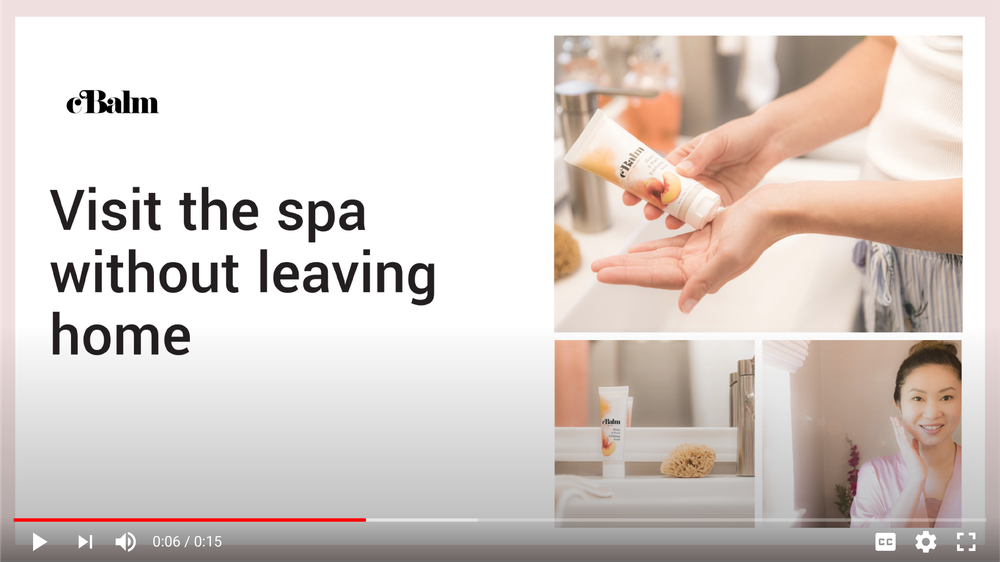
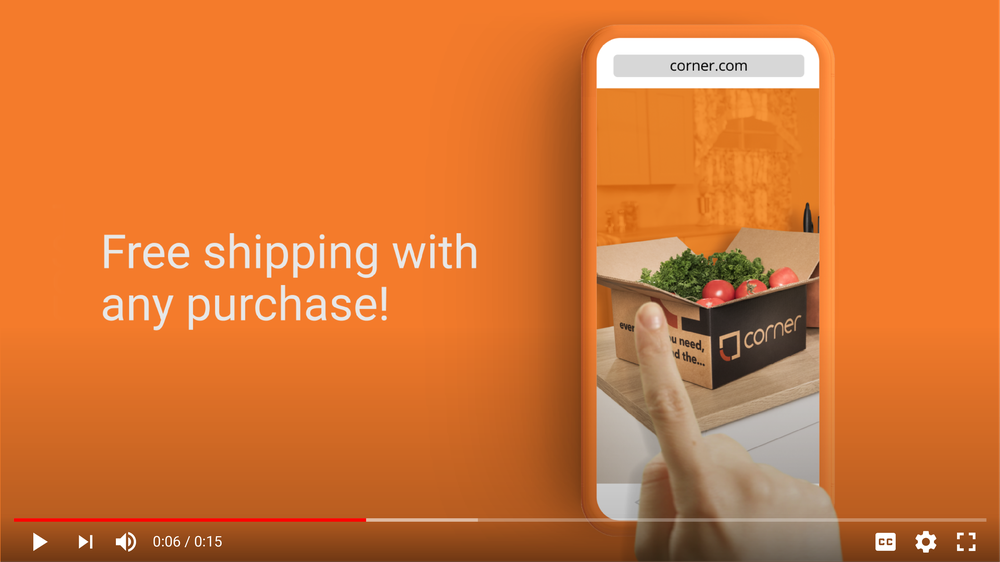
You can see an example of what a finished ad using Video Builder looks like below:

How To Use The YouTube Video Builder

As the tool is in beta access, you will need to sign up before you can get use the tool for the time being.

Once you’ve gotten access, creating a video is a simple process – as shown in the video below:

In the video, YouTube recommends creating your short video by taking these steps:

  • Select a layout suited for your goal
  • Upload your logo and select a color
  • Upload images and add copy
  • Select a font
  • Pick a music track from Google’s library
  • Click “create video” to see a preview of the finished video
  • Save the clip and upload it to your channel, website, and social media pages

The tool will save any videos you have created as a template so you can also iterate upon your finished product for several similar videos with small tweaks.

Finished videos can also be immediately used to create a YouTube or Google Ads campaign if you like, though it is not required.

For more information about using the YouTube Video Builder, check out the official help document.

Over the past two weeks, several of the largest online ad platforms have taken swift steps to address problems with advertisers attempting to profit by stoking fears during the ongoing COVID-19 pandemic.

Google Ads, Facebook, Instagram, Pinterest, TikTok, and YouTube have all responded in unique ways to stop the flow of misinformation, prevent profiteering, and provide new resources to protect public health.

Google Ads Blocks Advertisers Capitalizing on Crisis

This week, Google Ads updated its Inappropriate Content policy to specifically disallow content which:

“…potentially capitalizes on or lacks reasonable sensitivity towards a natural disaster, conflict, death, public health emergency, or other tragic event.”

The new regulation specifically cites price gouging, selling essential supplies that are in high demand but scarcely available, or ads that use sensitive keywords to manipulate their click-through rate.

For more details about which strategies to avoid and what keywords to be careful about using during this time, check out the full help page Google Ads has created for advertisers.

Google and Bing Block COVID-related Ads

Initially, Google had introduced a policy which entirely disallowed advertising products or services related to coronavirus across the entire platform. However, recent reports suggest they have internally revised this policy to make an exception for trusted organizations like hospitals, medical providers, or other major organizations attempting to provide reliable information to the public.

The search engine is also blocking the sale of face masks on its ad platform, following similar policies from Facebook.

Bing has taken similar steps by blocking all ads related to COVID-19, except those coming from trusted sources.

As a Microsoft spokesperson explained:

“Microsoft Advertising has taken precautionary measures to block ads for delivery related directly to COVID-19 under the Microsoft Advertising Sensitive advertising policy. This precaution also applies to some COVID-19 related medical supplies. We will only allow Public Service Announcements from trusted sources, such as official Govt. agencies, to promote COVID-19 content.”

Facebook and Instagram Block COVID-19 Ads, Create New Resources

Since March, both Facebook Ads and Instagram have been blocking the sale of face masks on their platforms. The policy has since been expanded to include hand sanitizer, surface disinfecting wipes, and COVID-19 testing for children.

At the same time, Facebook has created several new resources for both businesses and the general public, many of which can be found in the new “Marketing for Uncertain Times” deck which contains industry playbooks and general advice for staying informed.

Twitter Gives Advertisers Leeway

After originally banning any and all ads which mentioned “coronavirus” or “COVID-19”, Twitter has revised its ad policies to allow some advertisers to mention the virus.

As the company explains:

“In response to the shifting advertising landscape, and in order to support helpful causes during this time, we’re now allowing managed clients and partners to advertise content containing implicit or explicit reference to COVID-19 in certain use cases, with restrictions.”

The specific cases Twitter will be allowing are:

  • Adjustments to business practices and/or models in response to COVID-19
  • Support for customers and employees related to COVID-19

Despite this, Twitter says it will continue to block ads which include:

  • Distasteful references to the virus
  • Content that may be sensational or likely to incite a panic
  • Inflated prices or products related to the virus
  • Ads for face masks, alcohol-based hand sanitizers, supposed vaccines, or treatments.

TikTok and Pinterest Partner With WHO and Red Cross

TikTok and Pinterest have taken similar steps as others by blocking ads which “reference coronavirus, including when promoting products or services, to create a sense of fear, or to cause widespread offense”, as a TikTok spokesperson said.

In addition, these platforms have also been working with major health organizations around the globe to help spread relevant information and prevent misinformation.

Pinterest has been redirecting any searches on the platform to official content provided by the WHO to prevent the chance of delivering custom results which could be difficult to monitor for disinformation.

TikTok has taken similar steps by donating in-feed ad space to notable organizations including the WHO and Red Cross to ensure users have access to helpful information.

YouTube Blocks COVID-19 Ads Except From Trusted Sources

YouTube’s ad policies have largely been in-step with Google’s response to the COVID-19 pandemic.

Initially, the platform would not allow any form of monetization on content relating to the coronavirus, citing “sensitive topic guidelines.”

Since then, the company has taken some steps to loosen that policy by allowing news organizations and reputable creators to produce videos about the issue in a sustainable way.

In a letter to the community, YouTube CEO Susan Wojcicki explained:

“In the days ahead, we will enable ads for content discussing the coronavirus on a limited number of channels, including creators who accurately self-certify and a range of news partners. We’re preparing our policies and enforcement processes to expand monetization to more creators and news organizations in the coming weeks.”

Despite this allowance, the company stresses it will continue to remove content that violates its policies or spreads misinformation.