Tag Archive for: Social Media Marketing

Facebook Messenger

Facebook unveiled several big upgrades to its current platform of products and services this week during its annual developer conference in San Francisco. The biggest announcement has been rumored for some weeks, but the social media giant also had a few other interesting changes hidden up its sleeve that will allow the platform to be more fully integrated with the rest of the internet.

Messenger is a Platform Now

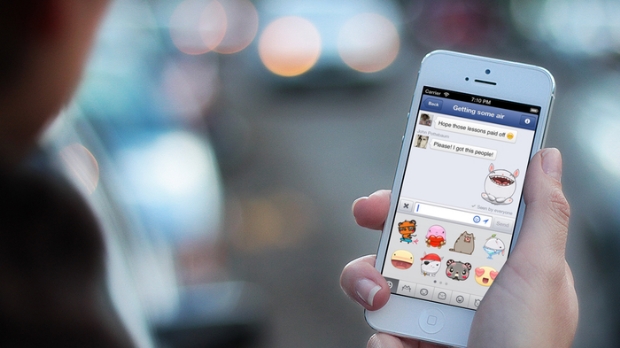
Of course the big news from the conference is Facebook’s decision to officially launch Messenger as its own platform, which will allow developers to more freely integrate features from Messenger into other apps.

For example, Facebook demonstrated how users may be able to order from an online retailer, then change the order or shopping details later using the Messenger app. You can find out more details in the official announcement.

360-Degree Videos are coming

It was announced that spherical, 360-degree videos will be coming to Facebook at some point in the near future. These spherical videos will also be brought to the Oculus VR platform.

Embeddable Facebook Videos

Facebook is quite proud of the success of its video service and it is making it easier than ever to share videos you like from the site. Soon, videos uploaded to Facebook will be embeddable across the web. This provides clearer incentives for content creators to consider uploading videos directly to the social media site rather than through competitive platforms such as YouTube.

Instagram Banner

Is Facebook still the king of social media? In terms of sheer traffic Facebook may still have a sizable lead, but businesses are finding it may not be the best platform for their marketing. In fact, a report by L2 and Olapic shows brands are starting to invest more effort elsewhere.

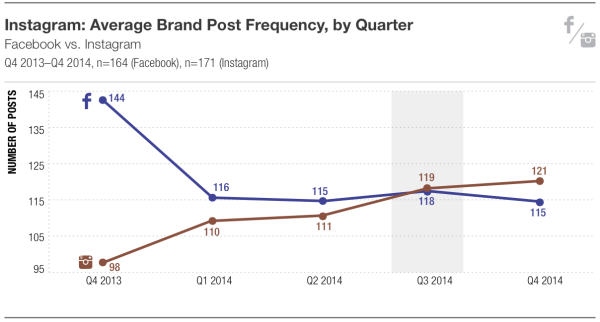
Brands are now posting more content to Instagram than they are on Facebook, most likely due to the continuously declining organic reach for brands on the big F.

The signs of Facebook’s downfall as the primary place for social media marketing have been around for quite some time. As organic reach started to fall, brands began migrating to other social networks and cutting back on their organic efforts on the site in favor of paid advertising.

Facebook’s paid advertising platform allows brands to get even more reach than they had developed organically, but at the sake of organic reach. In comparison, Instagram is (for now) almost entirely based on organic content.

Instagram may not stay the most popular platform for branded content for long, either. The Facebook-owned social image sharing platform has already implemented some advertising options and have publicly announced plans to expand paid advertising on the site. Nonetheless, most brand activity on the site is currently organic.

L2-instagram-600x322

The L2 report found the 250 participating brands posted an average of 9.3 times per week on Instagram compared to 8.8 times on Facebook in Q4 of last year. Compared to the same time period in 2013, Facebook was down from 11.1 a week, while Instagram boosted itself by nearly two full posts a week.

Other notable findings from the report included:

  • The auto industry, led by luxury brands like BMX, Mercedes-Benz, Audi and Porsche, outperformed all categories (Beauty, Consumers Electronics, Travel, Watches & Jewelry, Fashion, Sportswear, Retail, Drinks) with a 1.52% per post engagement rate on Instagram. Drinks — Stella Artois, Jack Daniels, Belvedere, Pabst Blue Ribbon — was second at 1.32%.
  • Of the top 200 highest performing posts, 65% prominently featured a product, 43% included general lifestyle photography and 29% included a brand ambassador or other influencer.
  • Hyperlapse has lapsed with only 75 — or only 2.4% of brand videos posted since August — brand posts using the time-lapse video app. Brand Hyperlapse activity has fallen off steeply since September and the engagement rate on the videos is 0.69 percent, slightly less than conventional Instagram videos.
  • Photo posts drive higher engagement that video, 1.03% to 0.79%. Videos attract more comments, but photos draw significantly more likes.

11057091_1622144431330260_1923819740_n

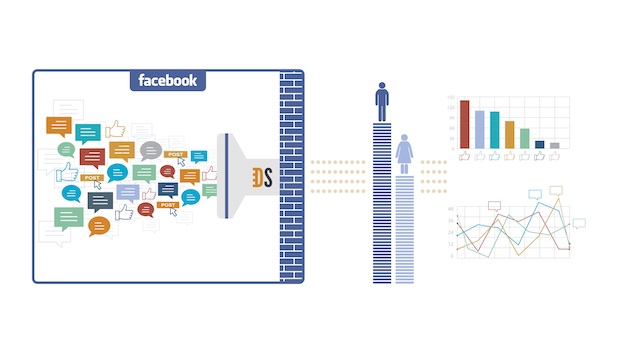
The best marketing is always informed by data. The more data you have the more you can pinpoint who you should be reaching out to and what they are interested in, and Facebook is making it easier than ever to find out who you audience really is.

Tuesday, Facebook announced it would be granting Page owners access to “topic data” which tells marketers and business owners what audiences are saying on Facebook about all sorts of topics including events, brands, and activities.

Obviously there are some privacy concerns with this type of data, but Facebook says all personal information is being withheld.

With topic data, fashion retailers can see what types and styles of clothing their customers are talking about, and businesses can gauge the public opinion on their brand.

This isn’t the first time marketers and business owners had access to this type of information, but previously they had to use third-party tools to get this level of insight. Facebook also claims that these tools frequently used sample sizes that were too small to be effective and argue it was “nearly impossible” these tools were accurate.

Advertisers should know there is no way to directly use this data to target ads, but it absolutely can be used to craft more effective ads and target them more accurately for your market.


Faceboo LikesIn the next few weeks, you are likely to lose at least a couple likes on your Facebook Page. It isn’t a sign people are losing interest in your brand however. Facebook has just announced they will stop including likes from memorialized and voluntarily deactivated accounts in the totals for likes on Pages.


The company issued the warning in a blog post yesterday, saying the move will help give businesses more accurate information about the people following their Page and improve ad targeting efficiency.

As the post explains:

Over the coming weeks, Page admins should expect to see a small dip in their number of Page likes as a result of this update. It’s important to remember, though, that these removed likes represent people who were already inactive on Facebook.

According to Facebook, Page owners should not expect big drops. The average Pages should only lose a few followers, but any Pages who have paid for Likes or used other artificial means of inflating their total may see substantially larger losses.

Facebook is also warning Page administrators with an alert within Insights:

Social media is all about crafting an image and that starts at the profile and cover photos. These pictures are the first things visitors see when they come to your profile, and it is essential to maintain a consistent image across social media. Unfortunately, trying to prepare your photos in the ideal sizes and specifications for the wide array of social media platforms can be a headache.

Every single social media site has their own specific sizes for images and many of the specs can seem almost random. Facebook requires 851px by 315px, while Google calls for 1080px by 608px and images on LinkedIn are supposed to be 646px by 220px. You can spend your time trying to come up with a mnemonic device to try to keep all the different image specs straight, but chances are your time is better spent elsewhere.

Thankfully, the team at Spredfast created a handy infographic which lays out the most recent photo specs for pretty much any social network you are likely to be on. The graphic details all the ideal photo sizes for profile pics and cover photos, as well as detailing the optimal sizes for posting photos to make sure cropping won’t ruin the image.

 Social Image Size Infographic

While Facebook may be the most popular social media platform, some brands are discovering Twitter can be just as effective for growing your business and turning followers into leads and sales. However, it isn’t always easy to start building a real fruitful presence on the site.

According to Search Engine Journal, only 34% of marketers on Twitter are successful at finding leads on Twitter. Does that mean the hugely popular service isn’t fertile land for marketing? Not necessarily. You just have to understand Twitter before you can expect to start finding good leads.

Too many companies just Tweet whatever they can think of without any sort of strategy. But if you take the time to learn the ropes and see what works and what doesn’t, you can start Tweeting with a purpose and drawing in loads of quality leads.

Over the weekend, HubSpot and Market Domination Media released this infographic filled with useful tips and statistics that can help you craft a game plan so you can turn Twitter into a lead generating machine with a little time and testing to find what works best for you.

 Twitter Conversions Infographic

This week, Facebook introduced a new mobile ‘Ads Manager’ app which claims to make it easier for the over 800,000 monthly advertisers on the site to manage ads on the go.

Facebook Ads Manager

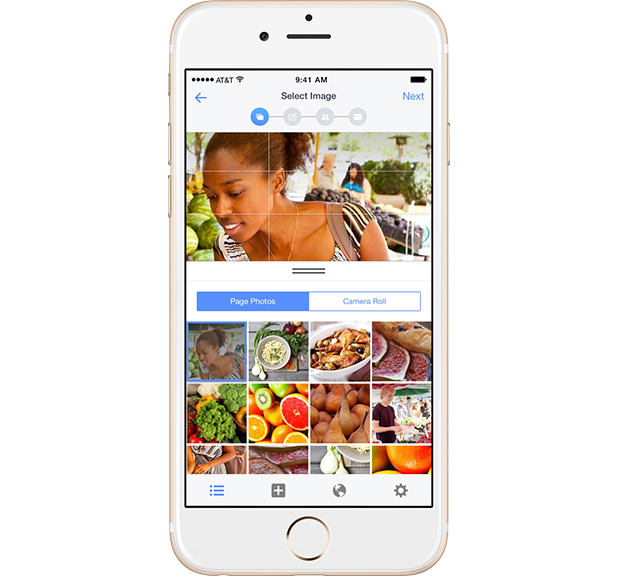
The new Ads Manager app allows advertisers to create new ads, as well as tweak and monitor existing ads on the fly. It also includes budgeting and scheduling features.

This means increasing budgets for well-performing ads or drafting up new ads is as easy as pulling out your phone, no matter where you are.

The Ads Manager app is available now for American iOS users, and the company says Android users can expect the app later this year.

The timing of the new app is especially relevant as the company simultaneously announced reaching a milestone of two million unique businesses advertising on Facebook.

facebookadvertising

Facebook is usually rather tight lipped about how it measures the impact and views for ads on their site, but today the social media giant offered some rare insight by saying the company doesn’t believe advertisers should be charged unless ads are seen by real people.

This might seem like common sense, but it is actually common for online advertising services to measure impressions based on how many ads are ‘served’, not how many are ‘viewed’.

Ads are counted as being ‘served’ so long as the ad renders anywhere on pages that are opened, even if the ad ends up never actually appearing on the screen. On the other hand, ‘viewed’ impressions only counts if they are displayed on the screen.

The metric isn’t perfect. There is no fool-proof way to ensure someone scrolling down a page will actually glance at an ad, as most Facebook users can tell you. Still, Facebook’s method of measuring impressions seems to be a more accurate and fair way of counting ad views than is typically used.

Facebook explains why it counts viewed vs served ad impressions in their blog post on the subject:

“At Facebook, we agree that viewed impressions are a better way to measure ad delivery. The reason is simple: if an ad is viewed it has a greater chance to drive value for an advertiser. That’s why we use viewed impressions to measure ad delivery across desktop and mobile.”

The company hopes to expand this measuring method to organic posts on the site in the next few months.

Promoting a tweet on Twitter just got a lot easier. While users have been able to promote tweets in the past, it required going through the company’s self-service platform. Now users can use the “quick promote” tool to quickly and easily promote a tweet.

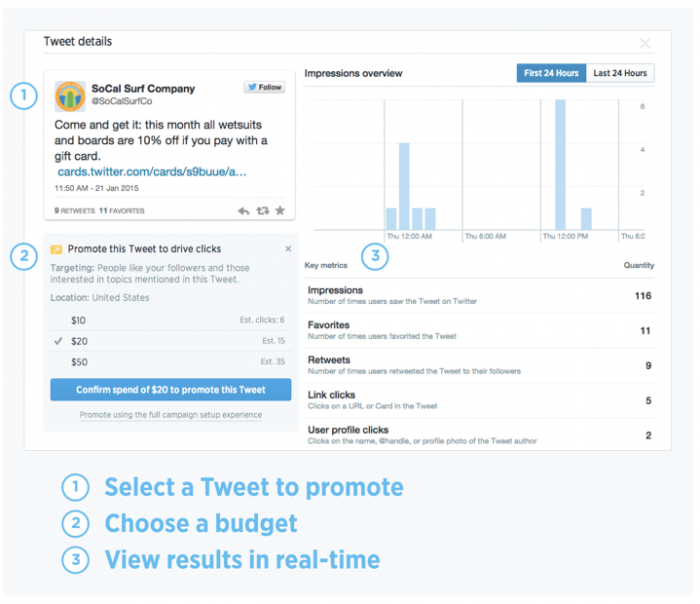
Twitter designed quick promote expressly with small and medium businesses in mind. All you have to do to increase your tweet’s visibility is go to your tweet activity dashboard at analytics.twitter.com. Then, you simply have to select the tweet you want to promote and click the option to promote the tweet in the left sidebar.

Quick_Promote_Image

For now, the service is relatively limited compared to Facebook’s extensive ad platform. Currently, Twitter only allows you to target quick promoted tweets to users similar to your followers. Although nothing is confirmed, it seems likely the company will expand the options in the near future.

The more useful features for small businesses hoping to increase their Twitter visibility is the ability to set small budgets and receive an estimate of how many people you are likely to reach.

After you’ve set the budget and promoted your tweet, you can watch its performance in real time using the analytics dashboard.

The service isn’t revolutionary, but it was in dire need for one of the most popular social platforms around. Now, small and medium businesses can benefit from Twitter ads in the same way big brands have been for over a year.