YouTube is previewing its latest upcoming features for users, creators, and brands in a new blog post shared by the company’s Chief Product Officer Neal Mohan.

While Mohan was light with actual details – likely because these features are still in development – the post teases new shopping features, ways to share content, and more coming to YouTube this year.

New Ways To Shop On YouTube

YouTube is preparing to double down on its shopping features with a dedicated section and a number of new partnerships and features. 

For example, Mohan says the team is currently working on making videos across the platform more shoppable through user-created tags in existing content. 
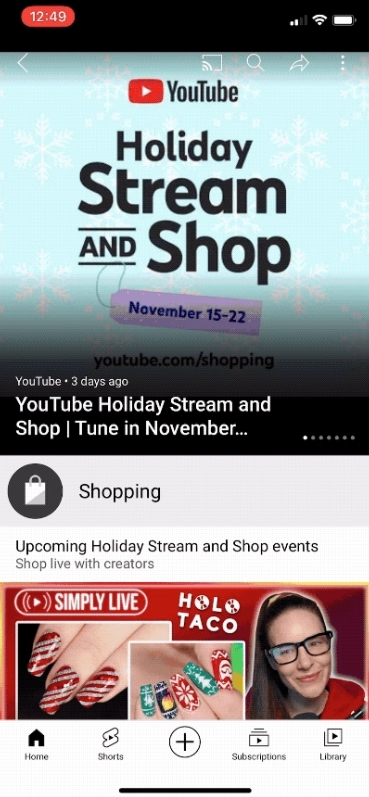
YouTube Shopping Preview

The company is also testing Live Shopping, which mixes the experience of the Home Shopping Network with a livestream hangout. For an idea of what to expect when this goes live, Mohan suggests looking to the weeklong Holiday Stream and Shop event hosted on the platform last November. 

Updates to YouTube Shorts

Unsurprisingly, Mohan says the company is planning to focus on expanding its popular Shorts format. Following the smash success of TikTok in 2021, social networks are rushing to establish their own versions of the short-video format. 

YouTube is working to improve its own take on the format with new effects, improved editing tools, better viewer engagement features, and even monetization options. The monetization features mentioned range from implementing BrandConnect with Shorts, expanding the Super Chat feature so users can stand out on live chats, and adding the ability to shop products directly from a Short.

Other Updates

Mohan also hinted at a number of other features and improvements coming to YouTube this year. 

For creators, the blog post says that new insights are coming which will help not only understand your current videos’ performance on the platform but also help “generate concrete content ideas for upcoming videos.”

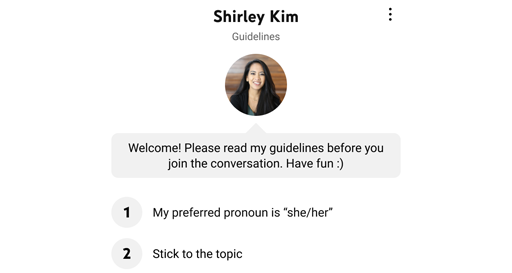
Channels will soon also be able to establish their own guidelines for community interaction, letting creators set the tone for the conversations occurring on their channel.
Meanwhile, brands may be excited to try out Collaborate Livestreaming, which allows multiple creators or partners to go live together – rather than hosting independent streams on their own channels. 

More To Come

The blog post is just a taste of the many features and updates YouTube is working on and anything previewed by Neal Mohan today could change significantly before they reach the public.

Still, these features give a clear idea of the company’s priorities for the upcoming year, including how it plans to address the continued growth of TikTok.  
After suffering a massive drop in stock values earlier this week, Facebook is planning to pivot more towards being a short-form video platform. 

The shift in focus was announced by CEO Mark Zuckerberg in a company-wide virtual meeting with Facebook employees shortly after the stock crash, which was triggered by a devastating quarterly earnings report from the platform’s parent company – Meta Platforms. 

In its latest earnings report, Meta disclosed that it had lost money throughout the quarter as well as seeing the first-ever decline in daily active users. By the end of the quarter, the company says more than half a million users had stopped using the platform on a daily basis. 

All of this then caused investors to panic, leading to the company’s stock price dropping by over 200 billion dollars in a single day – the largest single-day stock drop in history.

Why Is Facebook Losing Users and Money?

As Zuckerberg laid out to employees, he sees three major contributing factors to the unflattering quarterly earnings report. These are a recent wave of investments from Meta to establish Metaverse, difficulties with advertising after the of Apple’s App Tracking Transparency feature and Android’s take on this information sharing feature, and TikTok.

The first issue is easy to believe. After the company’s hugely publicized rebrand to Meta, it has been spending a lot of money to establish its Metaverse platform – which has yet to pay off. Given the mixed-to-negative reception the Metaverse has received, it is also possible investors are nervous about the potential for eventual revenue from the platform.

Facebook is also seeing a notable loss in money from advertising, largely because the largest mobile operating systems have both implemented new features which give users more information and control over how their information is being used. 

On one hand, this is a benefit for users because they can now easily opt-out of being tracked online. On the other, it makes it much more difficult – and even potentially impossible in some cases – to target relevant ads for users. This leads to less interest in ads from users, which translates to less engagement, and thus less revenue, 

What About TikTok?

After surviving challenges from Twitter, Instagram, and Snapchat, Facebook may have finally met a competitor it can’t afford to ignore.

Mark Zuckerberg told employees that part of the company’s poor quarterly performance was an “unprecedented level of competition” from TikTok.

As such, Zuckerberg plans to directly focus on promoting its short-video-related content and features across both Instagram and Facebook.

As he told meeting attendees:

“People have a lot of choices for how they want to spend their time, and apps like TikTok are growing very quickly. And this is why our focus on Reels is so important over the long term.”

While both of Meta’s social networks have increasingly prioritized video in recent years, this underscores a renewed emphasis on video content – especially short, easy-to-share clips like those found on TikTok. As such, brands hoping to reach their audiences on these platforms should be prepared to similarly focus on creating video content that connects with their potential customers.

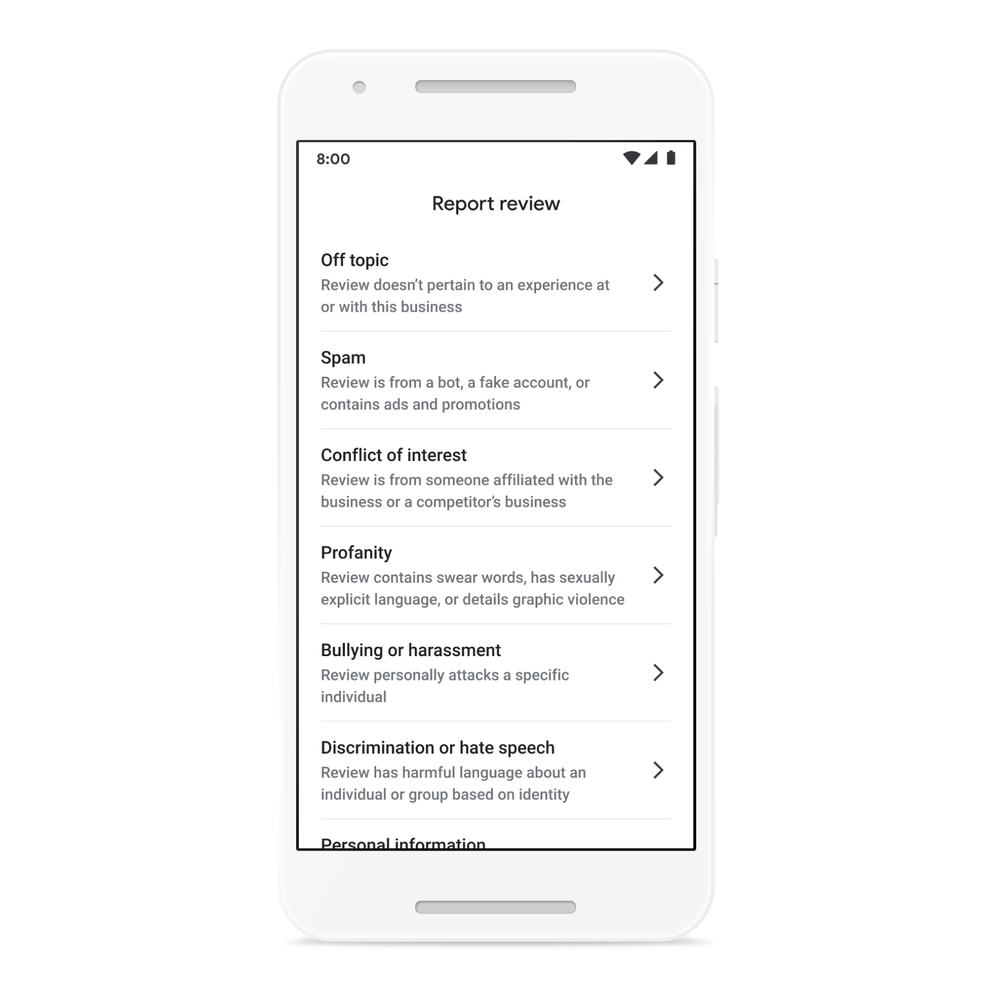
Google Maps reviews have long been an important tool for both consumers and brands – allowing shoppers to share their experiences with other potential customers and letting brands showcase their great services where shoppers are most likely to be. 

Now, the company is finally explaining how this system works, including how Google Maps moderates reviews and automatically spots fraudulent, misleading, or inappropriate reviews among the millions of legitimate reviews posted every day.

In a recently published overview, the company says it relies on 5 key strategies to consistently ensure reviews on Google Maps are authentic, useful, and relevant for other consumers.

1. Strict, Up-to-Date Content Guidelines

The first line of defense against malicious or inappropriate Google Maps reviews is a strict set of guidelines dictating what sorts of content are appropriate on the platform. 

As the guide says:

“We’ve created strict content policies to make sure reviews are based on real-world experiences and to keep irrelevant and offensive comments off of Google Business Profiles.”

Additionally, Google points to its regular updates to these policies to stay ahead of bad actors. For example, the company points to the quick steps it took to prevent reviews criticizing health policies following the spread of COVID-19.

“We put extra protections in place to remove Google reviews that criticize a business for its health and safety policies or for complying with a vaccine mandate.”

2. Integrating Content Policies Into Google’s Algorithms

Once a policy is set, it is disseminated to every relevant area of Google Maps. That means it not only goes into training material for human moderators but also goes into Google’s own machine learning algorithms.

Broadly, this allows Google’s algorithms to evaluate new reviews for a variety of red flags, including:

  • Does it contain offensive or off-topic content?
  • Does the Google account have any history of suspicious behavior?
  • Has there been uncharacteristic activity – such as an abundance of reviews over a short period of time? Has it recently gotten attention in the news or on social media that would motivate people to leave fraudulent reviews?

3. Using Human Moderators To Understand Nuance In Reviews

Of course, automated systems do not always understand the subtleties necessary to tell the difference between legitimate and illegitimate reviews or criticism. This is why Google Maps reviews also rely on a robust team of human moderators to review content and guide algorithms.

As the blog post explains:

“Training a machine on the difference between acceptable and policy-violating content is a delicate balance. For example, sometimes the word “gay” is used as a derogatory term, and that’s not something we tolerate in Google reviews. But if we teach our machine learning models that it’s only used in hate speech, we might erroneously remove reviews that promote a gay business owner or an LGBTQ+ safe space. Our human operators regularly run quality tests and complete additional training to remove bias from the machine learning models.”

4. Encouraging Community Moderation

Google doesn’t believe moderation ends once a review or comment gets posted. Once visible to the public, Google strongly encourages businesses or other users to report fake or inappropriate reviews. 

“Like any platform that welcomes contributions from users, we also have to stay vigilant in our efforts to prevent fraud and abuse from appearing on Maps. Part of that is making it easy for people using Google Maps to flag any policy-violating reviews.”

5. Predicting Where Fake Reviews Will Happen

Lastly, Google works to stay ahead of users by identifying listings in Google Maps which are most likely to be the targets for malicious activity. For example, Google may increase protections for a listing if it is involved in a political event or has recently been in the news.

As the guide explains:

“In addition to reviewing flagged content, our team proactively works to identify potential abuse risks, which reduces the likelihood of successful abuse attacks. For instance, when there’s an upcoming event with a significant following — such as an election — we implement elevated protections to the places associated with the event and other nearby businesses that people might look for on Maps.”

Modern consumers rely on online reviews more and more, and Google Maps is one of the biggest places for shoppers to turn before doing business with someone. Though bad actors may manage to slip through the cracks from time to time, it is good to know that Google is always striving to ensure consumers and businesses can rely on these reviews to give an honest assessment of local businesses.

A new study conducted by Google and Boston Consulting Group indicates that 90% of consumers are willing to give brands their email addresses, so long as there is an incentive. 

The results come from an exploration into how consumers view modern advertising, including targeted ads, sharing personal information with advertisers, and email marketing.

As online advertising has become more pervasive and personalized to consumers, it is widely believed that shoppers have become jaded and worn down by online ads. As such, many believe shoppers are generally unwilling to engage with online advertisers. However, this study refutes this idea quite clearly.

Instead, the findings show that modern consumers are quite willing to engage with ads on the condition that they are relevant to their needs and interests.

How Consumers View Targeted Ads

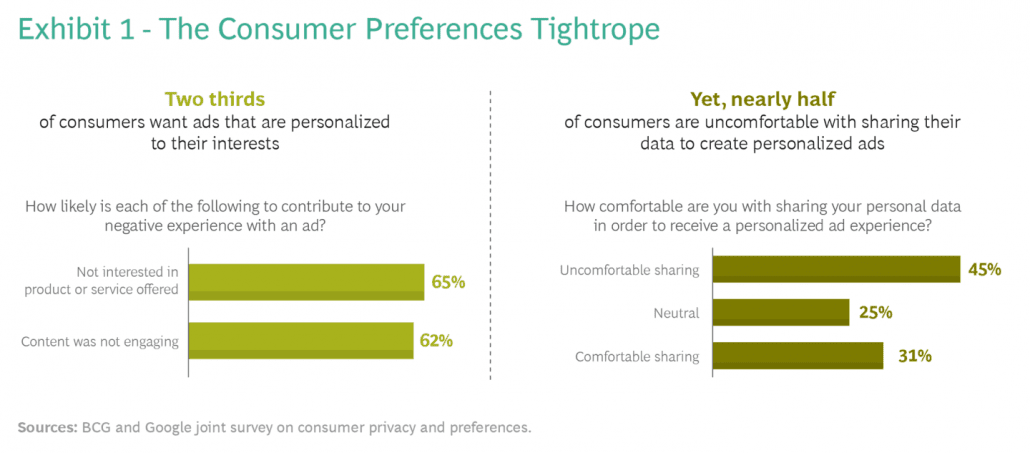
First and foremost, the new research makes it clear that advertisers do not dislike all advertising. They dislike irrelevant advertising, with 65% of people saying they have negative experiences with ads that are not relevant. Additionally, 74% of consumers say they only want ads that are relevant. 

These consumers are also largely aware that receiving ads that are targeted to their interests requires some amount of data sharing.

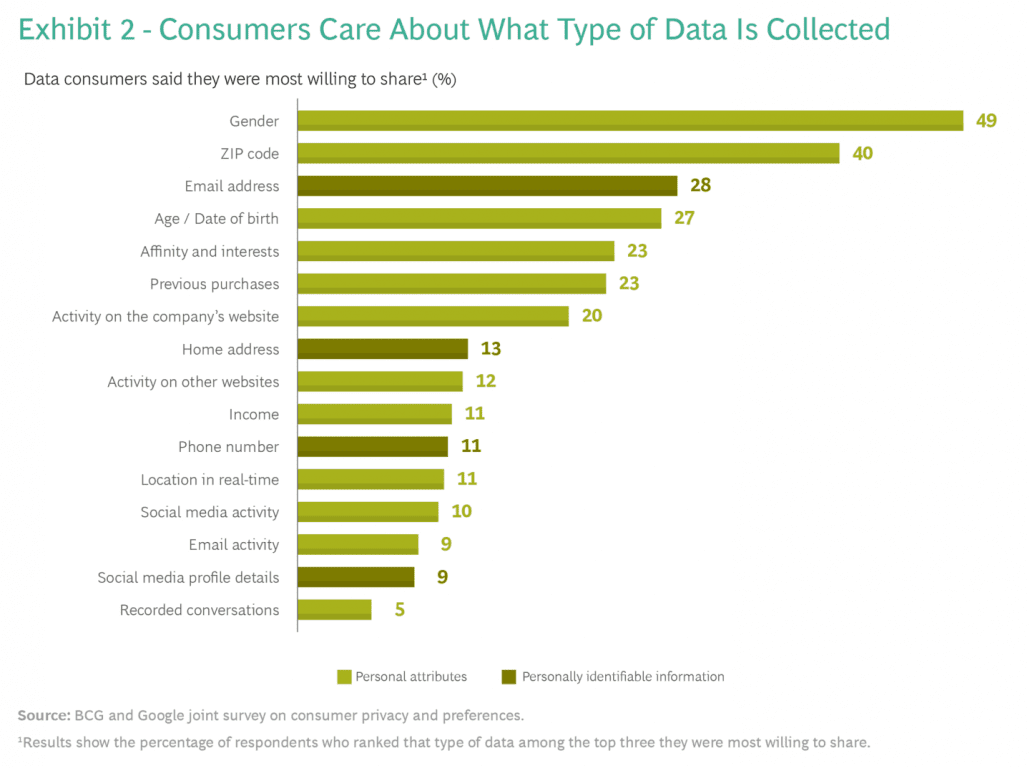
According to Google’s research, most consumers are willing to share some personal information, so long as it is not overly invasive. 

At the same time, some demographics are more willing to share specific details such as their gender, age, or online activity compared to other groups.

For example, Young Urban Professionals tend to be more willing to share their social media activity, but less willing to tell advertisers their gender. 

When consumers’ concerns are addressed, users may be even more willing to share personal details. These concerns include what specific information is being collected, how an advertiser is collecting this information, and what they intend to use it for. 

How Incentives Increase Data Sharing

Another major concern advertisers need to address is “what’s in it for me?”

While nearly 1 in 3 consumers say they are willing to give out some personal information such as their email address for absolutely nothing, more than 90% say they are willing to give their email address if given the right incentive – such as a discount or free sample. 

Not only does an incentive simply give a person a reason to sign up, but it also gives a brand an opportunity to prove themselves to shoppers and earn their trust. 

This is crucial for brands because at least 29% of new customers say they start from a place of mistrust with all companies from any industry. Why? Because they are concerned that brands will then sell their private information to less scrupulous marketers.

As Google’s report explains:

“And while almost 60% of customers believe that companies are selling their data, our research found that very few brands do that.

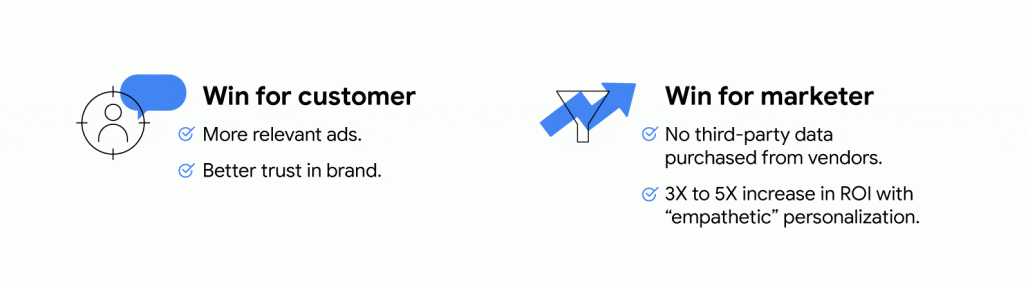
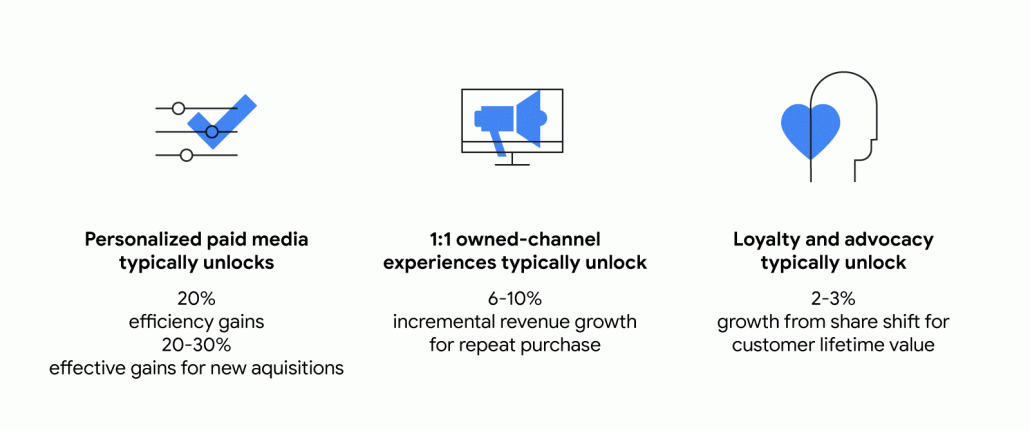
Marketers understand the value of data and the trust their customers place in them — and how customer-centric, data-driven marketing unlocks significant gains across business objectives.”

Key Takeaways

Google’s report concludes with three major recommendations based on the study’s findings:

  • Build trust by prioritizing transparency
  • Create great experiences through first-part data
  • Build a data-centric organization that respects privacy at all levels

For more in-depth information, read the full report from Google here or from Boston Consulting Group here.

As part of its ongoing effort to expand its video capabilities and be “no longer a photo sharing app”, Instagram says it is introducing new ways to promote and remix videos on the platform. 

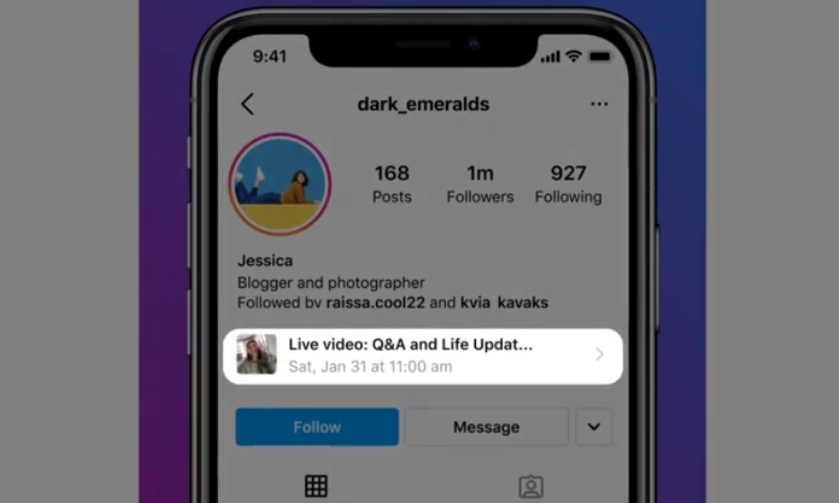
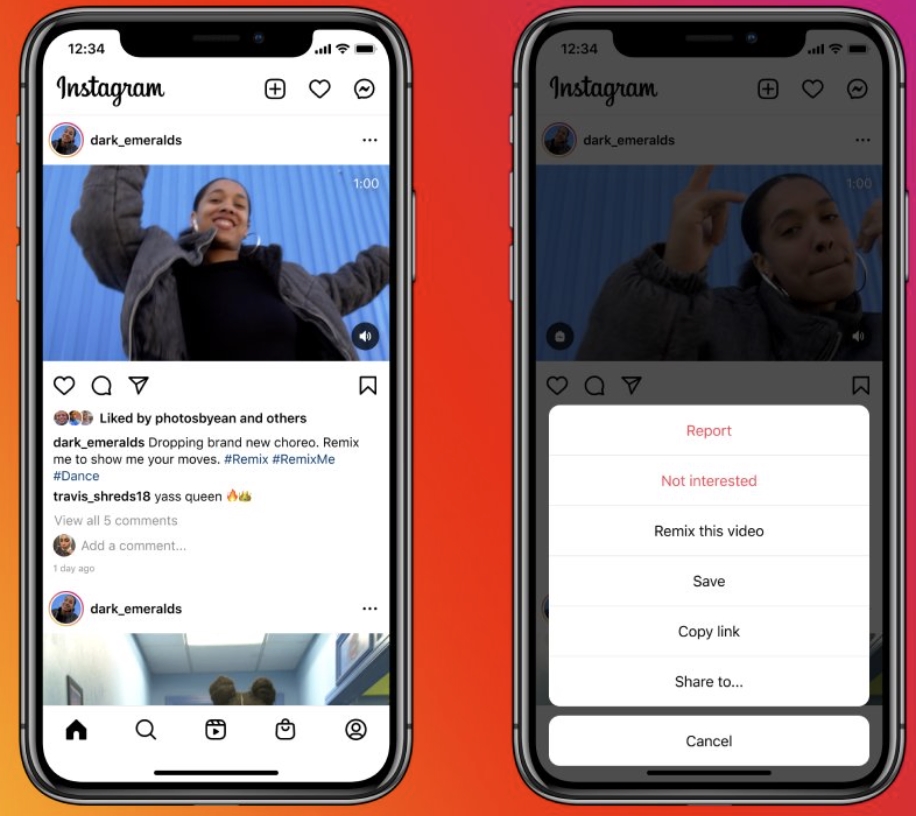
Specifically, the company is rolling out new ways to build interest for scheduled live streams using banners, and the ability to remix any recorded video.

These updates seem positioned to make Instagram more competitive with both TikTok and Twitch, which are extremely popular with younger viewers and creators.

As Head of Instagram, Adam Mosseri, explained in the announcement:

“We’re focused on building for teens and creators, and in the spaces of video and messaging. And these are within those themes.”

Below, we’ll explore both of the new updates in more detail.

Promote Scheduled Live Videos With Banners

When scheduling live videos on Instagram, streamers can now choose to highlight these upcoming streams using a special banner. When clicked, the banner also lets users set reminders for the live videos.

As Mosseri says:

“Creators have been able to schedule lives for a while now, but now, you can separate scheduling a Live from creating a feed post, or even now a story post, about that live. You also get a little badge on your profile that’s lets followers know, or anybody know that goes to your profile, that there’s a Live coming up and they can subscribe to be reminded.”

Notably, these banners can be used to promote one-time-only events and recurring streams on a channel.

Remix Any Video You Want

Instagram is expanding its ability to “remix” content to all videos on its platform.

Similar to TikTok’s video reactions, these remixes allow users to take existing videos and add their own reactions or to rework them into something entirely new.

Originally, this feature was limited solely to Instagram’s short Reels videos. Starting now, though, users can do this to any public video by tapping the three-dot icon in the right corner of videos and selecting “Remix this video.”

However, people who share videos must opt-in to having their content remixed by others.

For more, check out the video from Mosseri on Twitter:

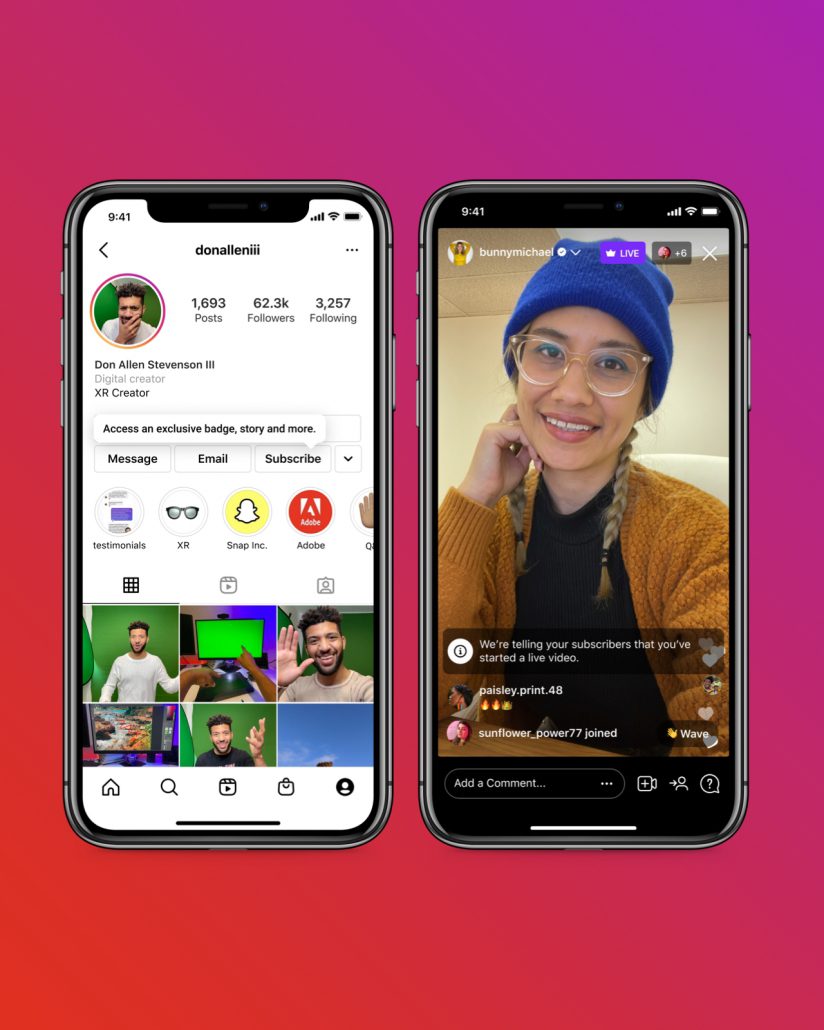
Instagram is slowly rolling Instagram Subscriptions – a new subscription feature that would let creators on the platform make a regular income from their biggest fans.

Instagram Subscriptions works similar to Patreon or other online subscription-based platforms. Creators are able to completely control their subscription prices and offer special content or features exclusively for subscribers. 

Instagram Subscriptions Preview Image

At the moment, the special subscriber features specifically include:

  • Subscriber Lives: Broadcast live content exclusive to subscribers.
  • Subscriber Stories: Share stories that only your subscribers can see.
  • Subscriber Badges: Paying subscribers can add a badge to their comments, making them stand out as loyal supporters. 

As the announcement says:

“With Instagram Subscriptions, creators can develop deeper connections with their most engaged followers and grow their recurring monthly income by giving subscribers access to exclusive content and benefits, all within the same platform where they interact with them already.”

During the initial testing period, Instagram is limiting access to Instagram Subscriptions to just a small handful of creators. However, the company says it plans to expand access to many more people in the coming months, along with a variety of new tools to make the service more beneficial for creators and fans alike.

Google Business Profiles (formerly called Google My Business) has added a new waiting period for new profile managers or owners when they have been added to an account.

If you try to edit your business listing during this period, users will get an error message alerting them that their access is temporarily suspended.

This new information was discovered in the recently updated help guide for adding or removing profile managers or owners,

A single person – typically the business owner or an executive responsible for a brand’s online presence – can “claim” their Google Business Profiles listing to become the primary user without experiencing the delay. 

However, if you then add an employee or marketing agency to manage your listing, they will be required to wait 7 days before they will be granted full access to the account. 

As the new help document explains:

When a new owner or manager is added to an existing Business Profile, they must wait for 7 days before they can manage all the features of the profile. During this 7 day period, the new owner or manager gets an error if they try any of the following:

  • Delete or undelete a profile.
  • Remove other owners or managers from a profile.
  • Transfer primary ownership of a profile to themselves or a third user.
  • An existing owner or manager tries to transfer primary ownership of the profile to a new owner or manager still in their first 7 days.

If the new owner or manager deletes their account within the first 7 days, they’re removed from the profile. If they undelete their account, they must be added to the profile again.

Most likely, this temporary delay has been added as a means to prevent hackers or other bad actors from attempting to illicitly access Google Business Profiles accounts.

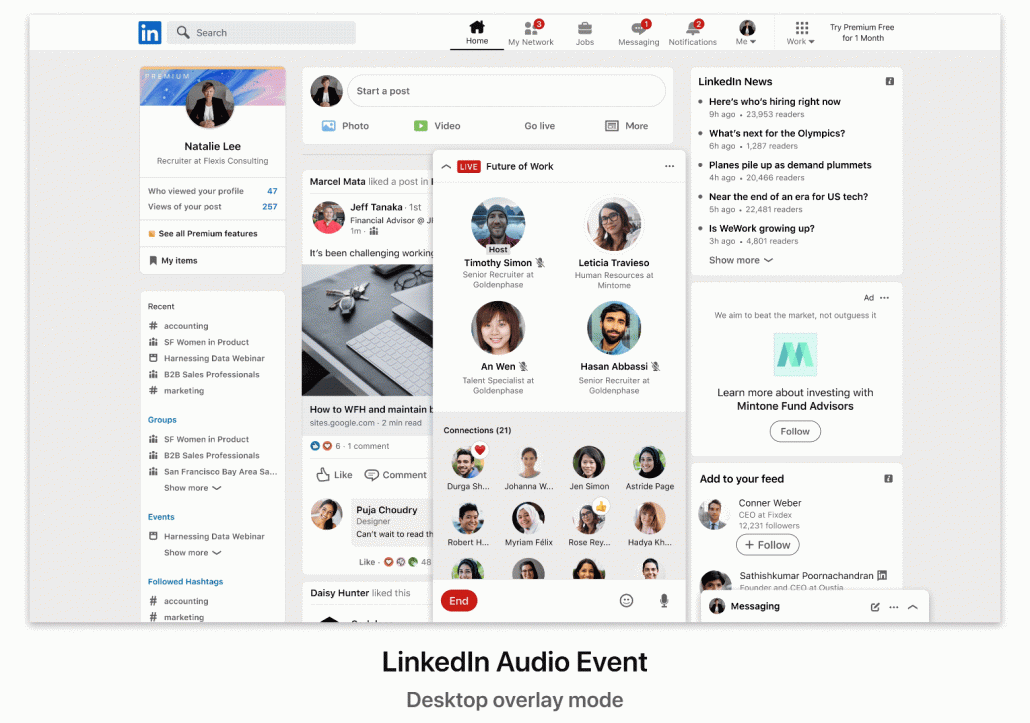
With new data showing that LinkedIn’s virtual events are experiencing a massive surge in participation lately, the company announced it is testing a new feature for audio-only live events. 

In the recent announcement, LinkedIn revealed that attendance for virtual events on the platform is up more than 230% year-over-year. At the same time, the platform says it also saw 150% more events created year-over-year.

Obviously, a major contributor to the popularity of these events is the ongoing Covid pandemic, which has seen in-person events limited or entirely canceled over the past year and a half.

As this continues to be a problem around the world, the company believes expanding its services to include audio-only events will draw even more users to LinkedIn live events.

As the announcement says:

“This month, we’re taking a big step forward and building on the success of LinkedIn Live broadcasts by launching an entirely new interactive events experience that allows our members to more actively participate in the conversation.

Being an active part of the conversation at an event can help you make new connections, bolster your professional brand and inspire peers. In our new experience, you can participate in the live conversation by raising your hand and joining the speakers, “on stage” to help direct and add to the discussion.”

Since audio-only live events are still in the testing phase, LinkedIn says only a small group of users will be able to host these events when they first roll out. However, anyone will be able to sign up, listen, and participate in these events.

Once the company is satisfied with testing the service over the next few months, the company says it plans to expand the ability to host events to more users, though an exact date when to expect this was not available.

Step aside Google, there’s a new top domain around the world according to the annual rankings of most popular domains globally from Cloudflare. For 2021, TikTok is the top site based on internet traffic.

The full list of the most popular domains in 2021 is:

  1. TikTok.com
  2. Google.com
  3. Facebook.com
  4. Microsoft.com
  5. Apple.com
  6. Amazon.com
  7. Netflix.com
  8. YouTube.com
  9. Twitter.com
  10. WhatsApp.com

This is a big jump from 2020, when the newly popular social network ranked in just 7th place overall, while Google (which includes the variety of services under the Google umbrella, such as Maps and News) seemed safely in the top position. 

Cloudflare’s Year in Review report details TikTok’s rise to dominance over the course of the year:

“It was on February 17, 2021, that TikTok got the top spot for a day. Back in March, TikTok got a few more days and also in May, but it was after August 10, 2021, that TikTok took the lead on most days. There were some days when Google was #1, but October and November were mostly TikTok’s days, including on Thanksgiving (November 25) and Black Friday (November 26).”

What Does This Mean?

To be clear, this is only based on traffic. This does not necessarily mean that TikTok is now the biggest social media platform around the world, let alone the site with the most users.

When looking at the number of distinct users on each platform, most estimates still place the upstart platform behind both Facebook and Instagram – let alone Google.

It is quite clear, though, that TikTok is quickly growing into a force to be reckoned with online. If it isn’t already on your map for your marketing plans in 2022, perhaps this report will cause you to reconsider.

Read the full Cloudflare Year in Review report, which includes stats on the top social networks, e-commerce sites, and streaming sites from the past year, here.

For years upon years, those working in search engine optimization could consistently agree on just one thing – links were the most important ranking signal around. They were the lynchpin that could decide whether you were on the top of page 1 of the search results or deep into page 5. 

Over the past few years, though, that has changed significantly. Google’s search engine algorithms have gotten increasingly complex, relying on hundreds of different search signals contextually based on a user’s intent with their search. With this, the perceived importance of links has steadily decreased.

These days, it is easy to find experts who will earnestly tell you that links are dead or don’t matter anymore. Typically they will point to the recent prevalence of social media and the importance of quality content as proof that you don’t need to invest money or energy into establishing an authoritative link profile for your website.

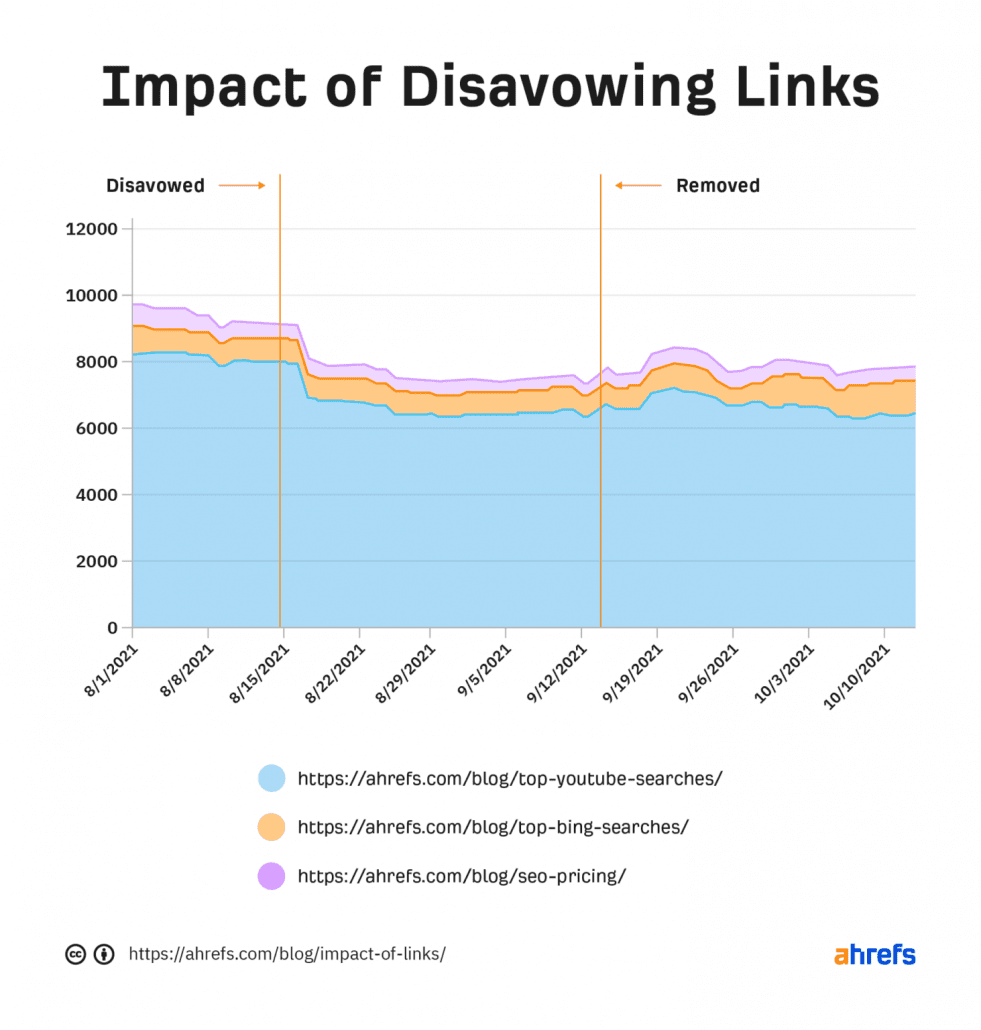
Well, Patrick Stox from Ahrefs recently decided to settle this debate once and for all. He simply chose three pages on the Ahrefs website – which receives thousands of visitors a day – and convinced the team to remove and disavow all links to those pages for a month.

After seeing the results from a month without links, the Ahrefs team then restored every link pointing to these pages and shared the results.

Ahrefs Links Chart

If you’re interested in the details from this experiment, you’ll definitely want to check out Stox’s recent article detailing what happened when he disavowed links to just three pages. It’s a revealing look at how a seemingly small SEO tweak can have a significant impact on the traffic your business receives online. Spoilers: links still matter quite a bit for SEO.