Facebook announced a wave of new features this week for online advertisers and retailers heading into the holiday season. 

At the same time it revealed new product tags, new ways to target ads, and an experimental way to share online discounts, the social media giant also announced it was launching promotional tools and support for Black-owned businesses.

Let’s explore the array of new features for brands on Facebook and Instagram:

Product Tags For Instagram Ads

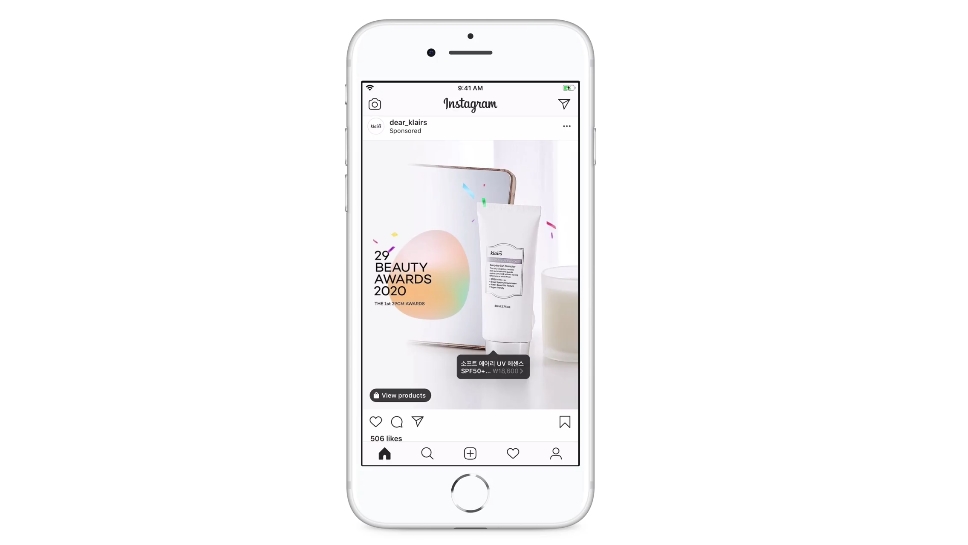
After more than a year of testing, Instagram is officially launching the ability to tag products in ads. Even better, the company has streamlined the process.Originally, advertisers had to make an organic post, tag your products, then promote that post. Now, you can create ads with product tags directly within the Ads Manager. 

When seen, product tags appear as white dots which can expand to reveal a range of details including the name of the product,and its price. 

Shopping Engagement Custom Audiences

Facebook announced a new type of audience targeting aimed at helping brands “reach people who’ve already shown interest in their product or brand by doing things like saving a product, viewing a shop, or initiating a purchase.”

Shopping Lookalike Audiences

Another new way to target audiences was announced, which allows you to reach shoppers with similar interests as your existing customers on Facebook and Instagram. 

Shopping Ad Discounts
Facebook is testing a new way to promote your sales and discounts directly in the Promotions tab within the Commerce Manager.

For example, you can highlight a discount on a specific set of products by grouping them together in product sets. 

At the moment, Facebook only allows you to run a few types of discounts – price reductions, minimum purchase requirement, and discounts using an offer code. 

#BuyBlack Friday

While the Covid pandemic has affected just about every business in America, black-owned businesses have been hit particularly hard. According to Facebook, more than 40% of black-owned businesses in America.

This is why Facebook is launching a new event every Friday through November 27. Every week, Facebook will be promoting #BuyBlackFriday across all its platforms, including publishing a gift guide and business directory of black-owned businesses. 

With many shoppers wary of facing crowded shopping malls and stores, most experts believe online shopping will shatter previous records this winter. Facebook is doing everything it can to make itself one of the premier choices for marketing, advertising, and ultimately selling your products.
The United States Department of Justice is filing a sweeping antitrust lawsuit against Google today. The suit comes after years of investigations and accusations that Google and it’s parent company Alphabet have unfairly stifled competition to maintain its leading place in online search. 

The complaints further allege that Google then used this leverage and dominant position to sell more search ads across its platform. 

The suit will be joined by 11 state attorneys general from Arkansas, Florida, Georgia, Indiana, Kentucky, Louisiana, Mississippi, Missouri, Montana, South Carolina, and Texas. 

Some have pointed out that all involved attorneys generals are Republicans, though criticism of the search engine giant has been a bipartisan issue over the years. Democrats like Elizabeth Warren have called for similar lawsuits and breaking up the tech giant, and left-leaning states like California are reportedly pursuing similar investigations against the company. 

Notably, an investigation by the Federal Trade Commission in 2013 ended without charges, though a leaked document later revealed staff recommended a number of charges on several grounds. 

In the press conference, the DOJ said the search company has violated Section 2 of the Sherman Act by maintaining unlawful monopolies in markets for “general search services, search advertising, and general search text advertising.”

Google has also received criticism for its anti-competitive practices, including over $9 billion in fines from the European Union. Still, this marks the first time similar charges have been filed in the company’s home country. 

Concerns About Anti Competitive Practices

The lawsuit focuses on a number of business moves made by Google over the years, including using massive contracts and agreements to block competition. 

For example, Google and Apple reached a multi-billion dollar agreement to use Google’s search engine as the default on Apple mobile devices, preventing users from using other search engines by default. 

Despite these factors many say the lawsuit is far from a cut-and-dry case and could stretch on for years. Meanwhile, it could also signal the start of an avalanche of legal problems for Google is other states follow suit.

The past six months have seen upheavals in just about every area of life, from schooling, to work, to our daily shopping habits. Now, a report from BrightEdge suggests these shifts are going to continue at unprecedented levels through the holiday shopping season. 

The report, based on an evaluation of eCommerce clients across a wide range of industries predicts a historic online holiday shopping season for a massive range of interests – emphasizing the need to start preparing now. 

What Changed

It’s no secret that the COVID-19 pandemic has forced many to do more online shopping this year. In-store shortages, quarantines, and general concern with public gatherings has made online shopping a go-to choice for both essentials and luxuries.

Interestingly, the analysis suggests that though shoppers are doing significantly more online shopping compared to 2019, the revenue per order remains relatively stable. 

The report offers two theories for why this shift is occurring:

“Here are our hypotheses:

1. Shoppers shifted purchasing behaviors online during the first few weeks of the COVID-19 pandemic and are more keenly aware of their budgets – refraining from placing big-ticket purchases online, while stocking up on more essential goods or affordable luxuries.

2. Shoppers started buying more frequently online after COVID-19, supplanting offline purchases. This would include the buy-online, pickup-curbside behavior that may include cheaper items that were previously always purchased in-store.”

Black Friday Goes Virtual

Another major factor contributing to the predicted surge in online shopping during the 2020 holiday shopping season is the cancellation of many Black Friday events. 

Not only does this mean consumers will be forced to look elsewhere for big deals, it is expected that many retailers will be pushing huge online sales for Black Friday to make up for lost revenue. It is also expected for Cyber Monday to gain an even higher profile this year. 

What You Can Do

With all these factors in mind, BrightEdge has one recommendation for brands trying to regain their footing this holiday season – invest in search engine optimization. 

As the report says:

“An impressive 60% of consumers have been shopping online more often since COVID-19, and of that group, 73% plan to continue after the pandemic. What digital marketers and SEOs have long known is finally coming to fruition: online shopping is convenient and easy. Now the trick is to make SEO important within your organization.”

Other Takeaways

In the conclusion of the report, BrightEdge offered a few key insights into the current behavior of online shopping and what they expect to see in the future:

  • “The research suggests that shoppers browse more frequently, leading to more purchases and overall revenue, though these purchases are smaller in value.
    This could be because shoppers are becoming more aware of their budgets – refraining from placing big-ticket purchases online while stocking up on more essential goods or affordable luxuries.
  • As we enter Q4 and the holiday shopping season, search is helping reveal radical changes in real-time.
  • The traditional customer journey is being radically altered in many industry sectors of the economy.  As a result, it has never been more important to truly understand how consumer behavior and use this understanding to drive engaging experiences.”

To view the full report, check out BrightEdge’s complete holiday shopping guide here.

Stories are perhaps the way to share content online these days, so it is only natural that Google has been hard at work preparing its own version of the short-form content. Many users have seen Google Stories in testing throughout its various incarnations, including “Amp Stories” in 2018.

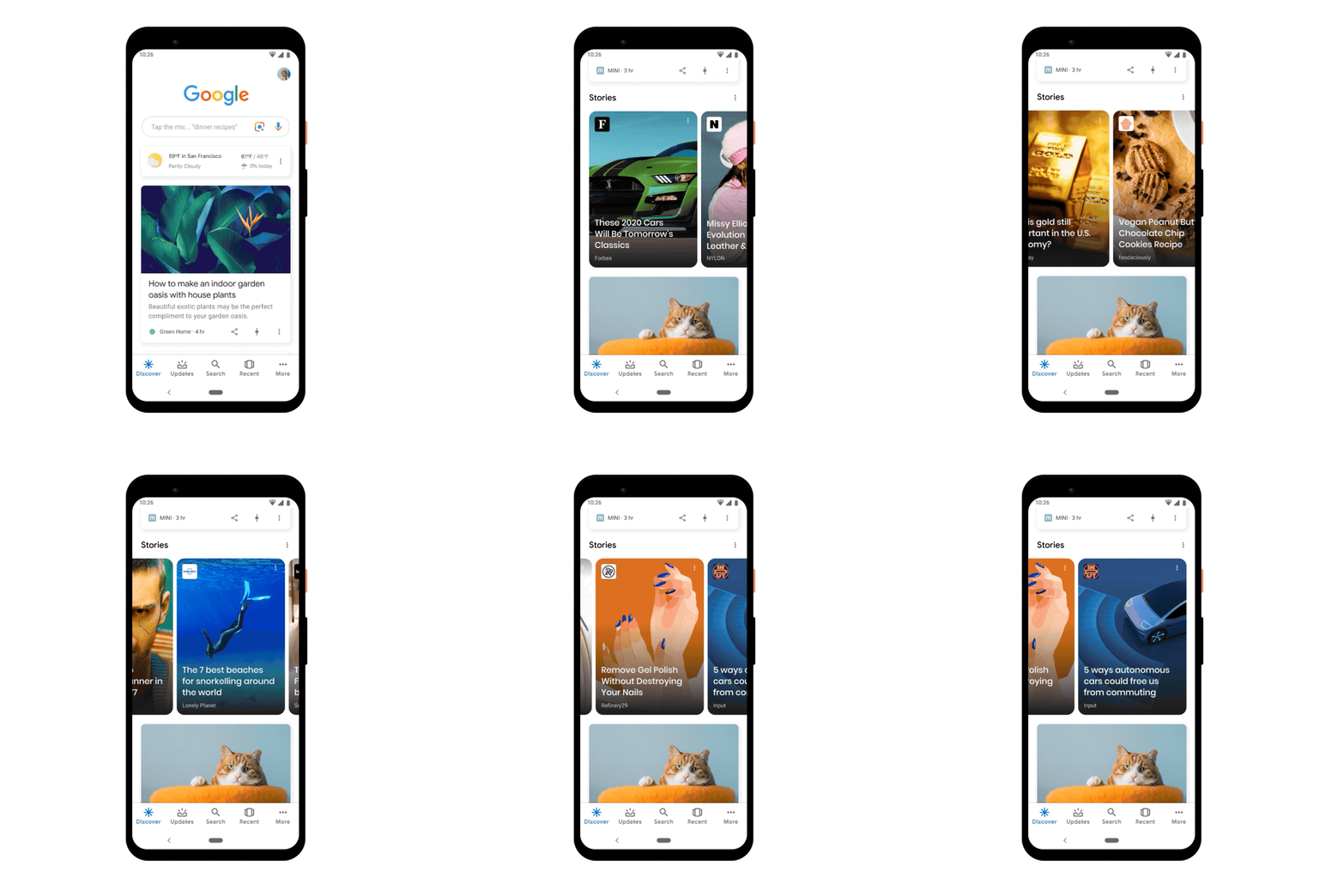
This week, the company officially launched Google Web Stories within its Google app on both iOS and Android devices. 

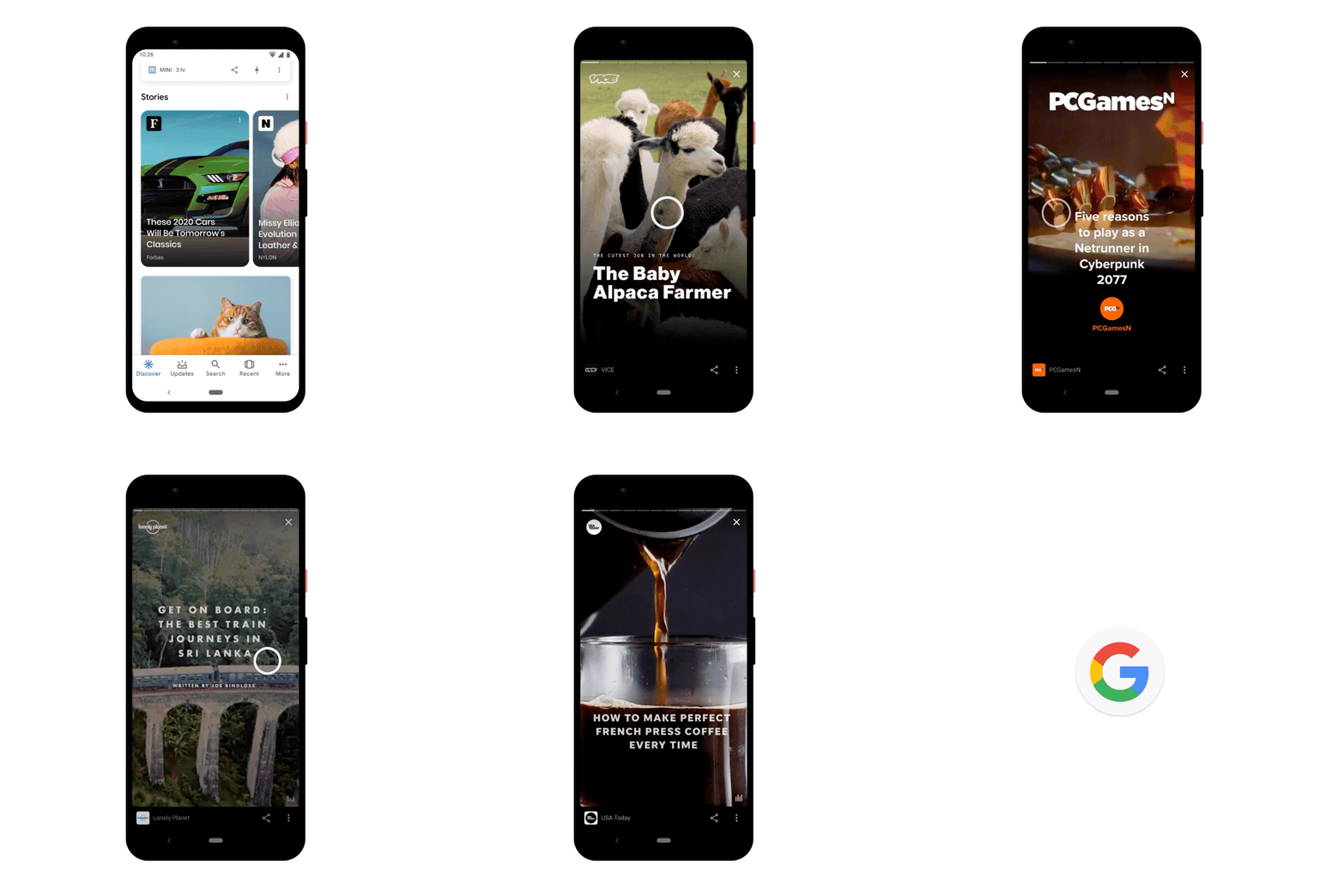
Google Web Stories can be found in a new carousel shown at the top of the Discover tab, presenting several short video, photo, or audio posts from users and publishers around the world. 

When clicked, stories will expand to a full-screen view where users can click through to your website or swipe to the next story in the carousel. 

Brands and publishers will also be able to monetize, host, share, and add links to their Stories with integration for WordPress, MakeStories, and NewsroomAI. You can even manually code a Google Web Story entirely from scratch. 

6 Rules For Making Google Web Stories

Along with the official release of Google Web Stories, the company has published a set of rules for the format. According to the guidelines, also Stories including the following types of content are prohibited:

  1. Copyrighted Content – Overall, Google is taking a relatively loose stance with what types of content can appear in Stories, especially with regards to copyrighted content. Specifically, the company says it “may” remove content that infringes on an existing copyright or links to a webpage with similar issues. 
  2. Too Long – Google is designing its Stories specifically with short-form content in mind, as such, it may block longer content. To ensure your Story gets shown, keep text down to 180 words or less, and videos a maximum of 60 seconds long. 
  3. Low Quality – You don’t need to have expensive cameras and high-end lighting to create a Story, but you do need at least a smartphone with a decent camera. Videos or images with large amounts of pixelation or distortion are prohibited. 
  4. Lack of Narrative or Theme – Google Web Stories are expected to be just that – “Stories.” They should have a narrative or at least a general theme as users go from page to page. 
  5. Incomplete Stories – While you can link to your site at the end of a story, Google warns against making users click through your site to see the entire content. Your Web Stories must be a complete package on their own.
  6. Overly Commercial Content – Brands can publish Web Stories and even convert some display ads to the format. However, the content must still provide a story or message. Content that is entirely commercial (i.e., being a simple billboard-style ad) is not allowed within the format.

Instagram is making it easier for small businesses to get the most out of Instagram Shops with a new mini-site full of resources, guides, and set-up tools. 

Instagram Shops is a free way for businesses to set up an online store and complete sales on one of the most popular social networks.

While Shops require third-party e-commerce parties to handle payment, they make it possible for people to complete the entire purchase without ever needing to leave the Instagram app – making the entire process seamless. 

Since Instagram Shops only launched in May, many businesses may not even know Instagram Shops exist or how to get in on the action for themselves. So, Instagram took the step of putting as many resources in one place as possible to help get started. 

‘The Season For Shops’

The new mini-site is called ‘The Season for Shops’ and caters to brands trying out Instagram Shops for the first time. 

The most important features include:

Setting Up Shop

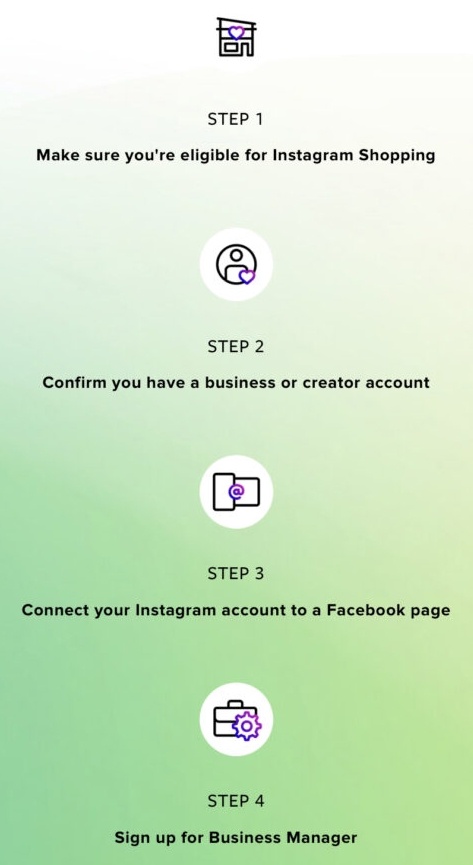
First and foremost, this guide provides step-by-step instructions for setting up your storefront, including signing up for and connecting accounts across platforms.

Help Guides

Once you’ve got your shop set up, these guides will help you take the next step to make your products easy to browse and purchase. 

Tagging Products

Tagging products in your feed posts, stories, and streams allows people to immediately browse and buy your products as soon as they see them. This is key for making it convenient to go from scrolling through your feed to clicking buy.

To help you get started tagging your products effectively, The Season for Shops site has two guides available:

  • Start Tagging: A 19-page guide with detailed information on the variety of product tag types.
  • Tag With Purpose: A simple guide to the do’s and don’ts of tagging.

Collections

Another important way to make your products easy to browse is by grouping related products into Collections. 

This allows users to browse through your products like any category on your store website. It can also gather related themes like “beach outfits” or “rainy day apparel”.

Find out how to make the most of collections with an 8-page guide outlining all the details and tricks you can use. 

Shopping Ads

Want to take your shop to the next level? By investing a bit of money for shopping ads, you can share your products with a wider audience and increase the chance of finding new customers. 

This can be as simple or complicated as you want to make it, with simple “boosts” which amplify the number of people who see your store or targeted ads which specifically connect with those most likely to purchase. 

As such, Instagram released three guides explaining everything from the basics to more advanced shopping ad strategies:

  • Holiday Shopping Ads Strategy: A simple motivational guide with ideas for advertising in the upcoming holiday season.
  • Set Up Shopping Ads: A 9-page “get started” guide with information explaining what shopping ads are, how to set them up, and how to monitor your results.
  • Custom Shopping Audiences: This 7-page guide details how to target your ads to specific audiences of ideal buyers. 

To check out all the guides for yourself, explore the ‘Season for Shops’ mini-site here.

Google is making several tweaks to its shopping-related search results to make it easier to find the products you want locally and choose the pickup method you are most comfortable with. 

As the country gradually returns to our normal in-store shopping habits, many are making adjustments to ensure the safest trips to the store. 

For example, Google says that searches for “curbside pickup” and “safe shopping” have increased tenfold over the past few months and remain heightened. 

Making this more difficult, many businesses remain closed after mandatory shutdowns have passed, while others are struggling with inventory due to shipping disruptions around the world. 

With all this in mind, Google has announced three significant updates to shopping search results which make it easier for shoppers to know who’s open, what’s in stock, and how they can most safely make a purchase. 

Filter By What’s Available Locally

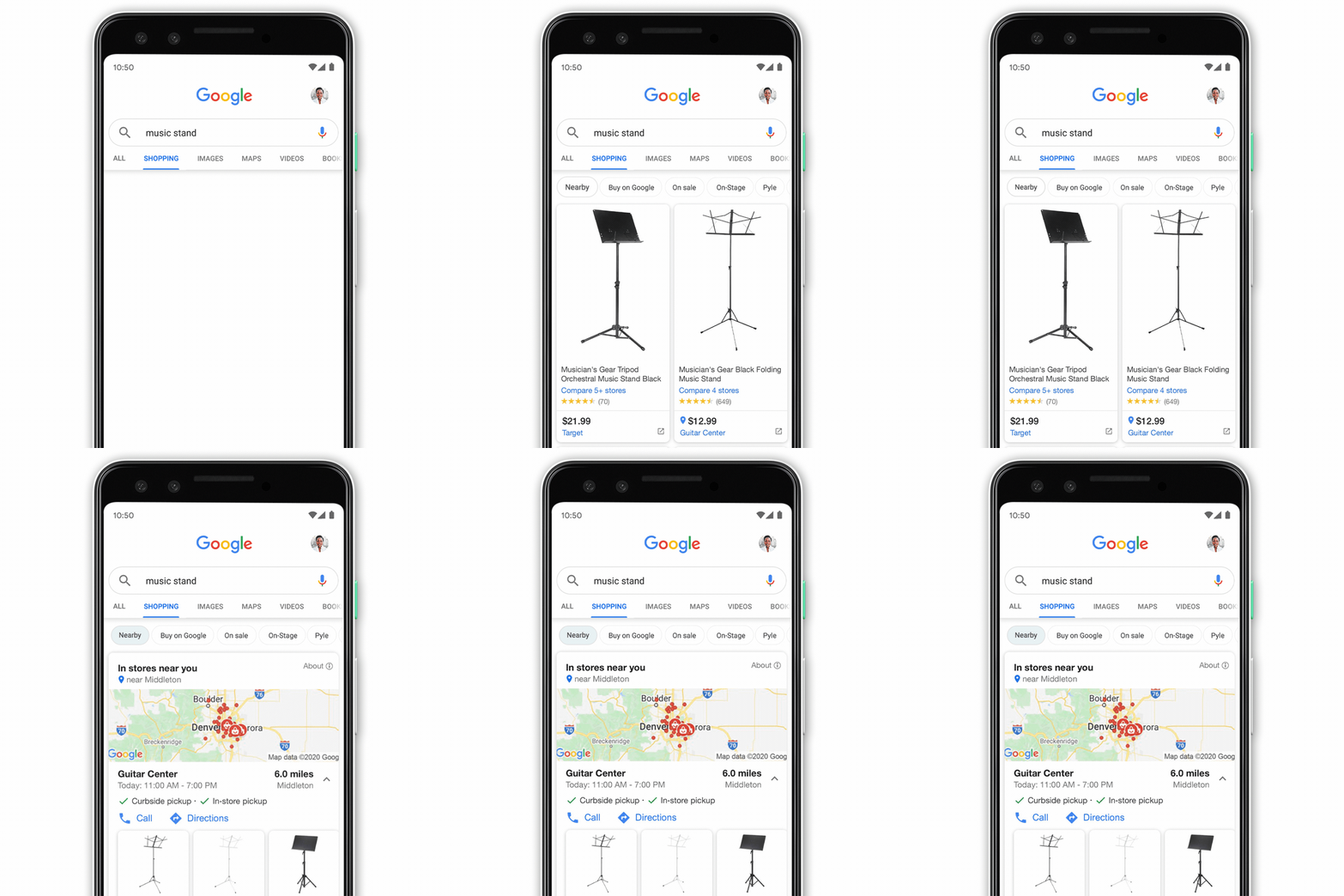
When looking for a specific type of product, searchers can now limit their search results to only products available nearby. 

This can be done in two different ways. 

  • Users can tap on the “Nearby” filter when looking at results within the Shopping tab.
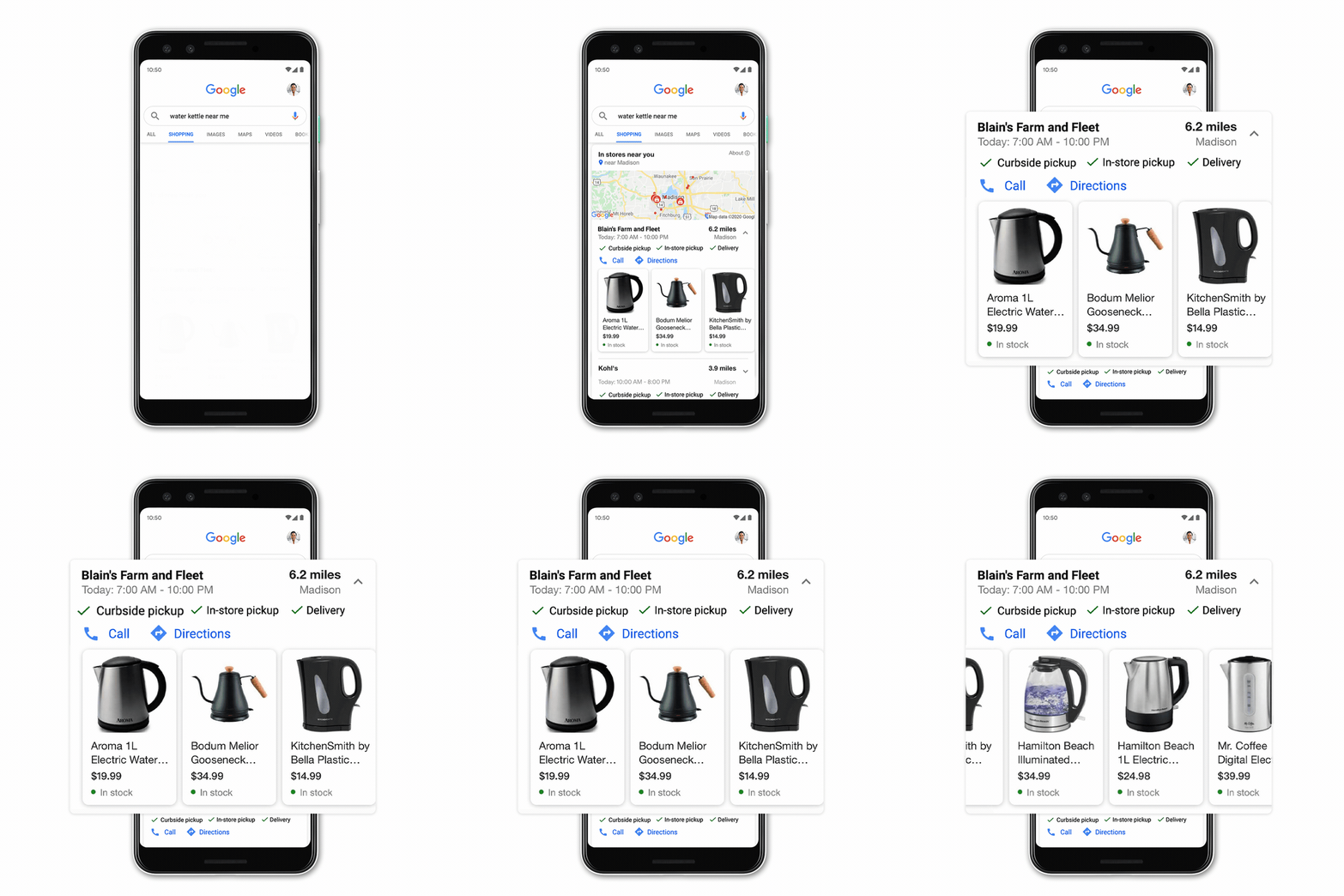
  • Users can add “near me” to product searches to automatically find products available nearby.

“Want to see an item in person before purchasing, or can’t wait for shipping and delivery?

Whatever you’re looking for, whether it’s a new laptop for working from home, a baby jacket for fall or a grill for backyard barbeques, Google makes it easy for you to see what’s available locally.”

Compare Local Hours, Locations, and Inventory

Making a trip to the store only to discover they are out of what you are looking for or the store is closed was already frustrating before the COVID-19, epidemic. 

To help solve this issue, Google is making it easier to compare the stock of local shops and see which businesses are open now. 

These details will be shown when searching “[product] near me” in a carousel of images and pricing details.

Find Convenient and Safe Pickup

Since the onset of the pandemic, Google has been prioritizing retailers who offer safe pickup options including contactless delivery or curbside pickup. 

Now, the company is introducing new ways to find safe purchase options with new labels in shopping searches. 

Along with these details, the listings will include a direct link to Maps directions so you can quickly and easily find the stores nearby. 

At the same time, Google emphasizes that calling to speak with someone is the most accurate way to check the inventory of products in real-time.

Google Ads is reducing the amount of information it provides advertisers according to recent alerts many account managers have seen in the past week.

The company says it will soon stop giving advertisers data about search queries triggered when there is not “significant” data.

As the alert says:

“We are updating the search terms report to only include terms that were searched by a significant number of users. As a result you may see fewer terms in your report going forward.”

Why Google is Doing This

According to a statement to Search Engine Land, the search engine made this decision to protect user privacy.

“In order to maintain our standards of privacy and strengthen our protections around user data, we have made changes to our Search Terms Report to only include terms that a significant number of users searched for. We’re continuing to invest in new and efficient ways to share insights that enable advertisers to make critical business decisions.”

What This Means For Advertisers

On one hand, the opinion could be made that Google is streamlining its reports and preventing advertisers from being able to identify users or personal information based on individual queries.

For example, it is not unheard of for advertisers to see search terms made a single time or driving a single click in ad reports. That is likely to go away in the coming days, removing outliers and better protecting users.

On the other hand, many advertisers have expressed frustration over the lack of transparency. The decision to remove this information entirely means advertisers know less about where their money is going.

Additionally, Google hasn’t been entirely clear on what “significant” means, making many wary of what this shift will look like. If it just removes queries with single impressions, then advertisers are likely to accept it and move on. Still, there are countless low-volume queries with no risk to privacy which could be removed if Google decides to use a higher threshold. 

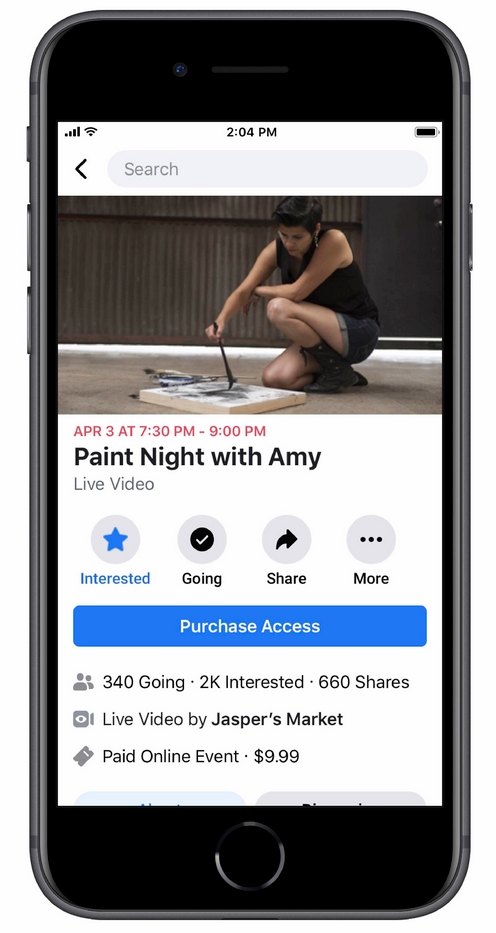
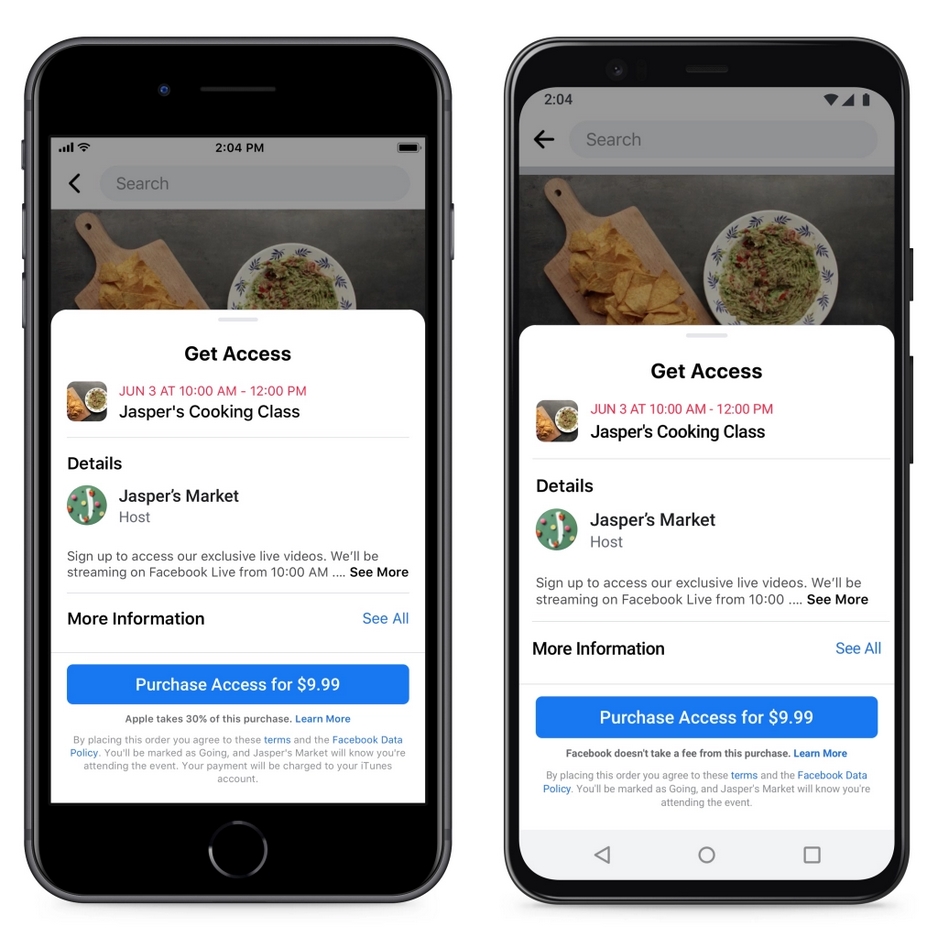
As COVID-19 continues to be a major concern for people across the country, Facebook is introducing a new way for businesses and creators to monetize online events on the platform. 

Critically, the company says it will not collect any fees for paid events held on the platform to help businesses and individuals struggling during the pandemic. 

“Pages can host events on Facebook Live to reach broad audiences, and we’re testing paid events with Messenger Rooms for more personal and interactive gatherings.

In testing, we’ve seen businesses use Facebook to host expert talks, trivia events, podcast recordings, boxing matches, cooking classes, intimate meet-and-greets, fitness classes, and more.”

While Facebook is far from the first to offer a way to deliver paid events that are entirely streamed to attendees, their service is unique is the all-in-one nature. Facebook can handle not just the streaming, but payment, advertising, and organic word-of-mouth. 

To put it another way, a person can see the ad for your performance in their feed, make a payment, and view your event without ever leaving Facebook. The company is also one of the only services which does not take a cut of ticket sales. However, purchases made on Apple devices or through the iOS Store are still subject to Apple’s 30% fee. 

Prohibited Content

As with all content shared on Facebook, live events must stay within the Community Standards, Partner Monetization Policies, and Content Monetization Policies.

While these guidelines include the obvious things you might expect, such as banning hate speech, inciting violence, or “sexualized content”, the social network’s content policies prohibit some areas you may not expect. 

For example, promoting health products including medical masks and hand sanitizer is currently banned on Facebook. 

Other restricted categories include:

  • Debated social issues
  • Conflict or tragedy
  • Objectionable activity
  • Sexual or suggestive activity
  • Strong language
  • Explicit content
  • Misinformation
  • Misleading medical information
  • Politics and government

In addition to restricting these types of content, monetized events cannot include these some specific media:

  • Static videos
  • Static image polls
  • Slideshows of images
  • Looping videos
  • Text montages
  • Embedded ads

In the announcement, Facebook says the paid events will be available to brands and individuals for at least one year. After that, they may introduce new fees or even remove the service.

Google is dropping its commission fees for retailers selling their products using the Buy on Google platform.

The company announced the decision late last week, while also revealing that it would be adding integration for third-party services like Shopify and PayPal to make using the platform easier than ever. 

For now, the commission-free program is starting with a pilot test which will be expanded to all U.S. retailers by early 2021. 

Why It Matters

When paired with Google’s recent decision to include free product listings in search results, it is clear that the search engine is hoping to make it convenient and easy for businesses to transition to online sales. 

The decision also gives Google a leg up on many other online sales services, such as Amazon. The massive name in online shopping typically charges retailers between 8% to 15% in fees per item sold. 

With the ongoing wave of COVID-19 infections occurring across America, the removal of fees could open the door to an alternate revenue stream for many small businesses that are struggling at the moment. 

Focus on Small Businesses

Speaking of small businesses, Google will also be adding a filter to the Google Shopping tab which will allow shoppers to specifically buy from SMBs. 

“While we still have much work ahead of us, our goal is to make digital commerce more accessible for retailers of all sizes all around the world, giving consumers more choice and more ways to find the best products, stores, and prices,” Bill Ready, Google’s president of commerce, said in the announcement

Brands around the world can now easily advertise on one of the fastest growing social networks, as TikTok announced this week it is rolling out its new self-serve advertising service to all. 

With the new service, advertisers in every country can create and publish their own ads without the need for contacting a representative or signing a contract.

In the announcement, Blake Chandlee, Vice President of Global Business Solutions for the company said:

“TikTok’s immersive, short-form videos give businesses a platform to participate and engage with a community known for its creativity, ingenuity, and joy. As our marketing solutions scale and evolve, we’re continuously building for the future and aiming to meet the growing needs of our partners. We’re excited to continue supporting our community by providing the tools and resources for SMB owners to navigate these challenging times.”

The service includes built-in tools for creative, targeting, and flexible budgeting. In the future, the company says it will also be creating business accounts which provide access to more in-depth tools. For now, details are limited on when this might occur or what the tools may offer.

What TikTok Has To Offer Brands

Although TikTok has been around for a few years now, brands have been slow to show interest in the platform for a variety of reasons. Like Snapchat, TikTok’s users have tended to be younger and thus had little to no disposable income. 

Over the past two years, however, that has changed. 

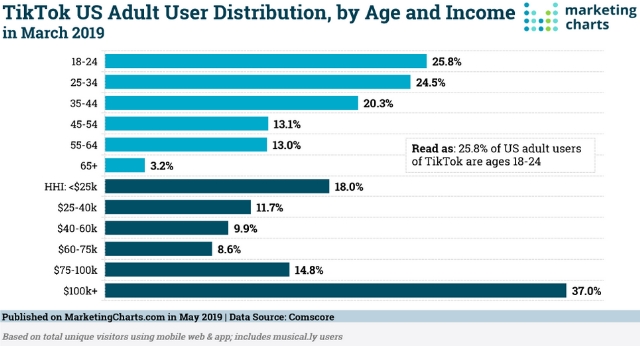
TikTok has exploded in users, especially within the highly desirable over-25 age group. Even more interesting, analysis suggests that TikTok users have money to burn. More than a quarter (37%) of users have a combined household income over $100,000.

Back to Business Ad Credits

At the same time TikTok announced its ad service, the company also revealed a new initiative to give $100 million in advertising credits to small businesses who may have been affected by the COVID-19 pandemic. 

Interested users can apply in the Business portal.

What Ads Are Available

Currently, TikTok offers five different types of ads for brands. They range from the standard post-type ads which can appear in the “For You” area of the app to branded hashtags and image effects. 

The ads currently available include:

TopView Ads – Up to 60 second long video ads which appear immediately as a user opens TikTok.

Brand Takeovers – Shorter video or image ads which function similarly to TopView Ads but are only shown for up to 5 seconds. 

In-Feed Ads – Traditional ad units which appear for up to 60 seconds and function like standard posts, including the ability to comment and share.

Branded Hashtag Challenges – Want to take over a specific hashtag? Here’s your place. The ad unit allows you to create a unique aggregated feed of user content all related to a single branded hashtag for up to 6 days.

Branded Effects – In a challenge to Snapchat’s Lenses, TikTok is introducing a number of camera effects, filters, and stickers users can apply on their own pictures and videos.