Google has announced it is rolling out a widespread update to its search engine algorithm which it is simply titled the ‘January 2020 Core Update’.
Later today, we are releasing a broad core algorithm update, as we do several times per year. It is called the January 2020 Core Update. Our guidance about such updates remains as we’ve covered before. Please see this blog post for more about that:https://t.co/e5ZQUA3RC6
The update began rolling out late yesterday and will affect how the search engine ranks all web pages around the world. However, as it is a “broad core” update, there is no specific issue or ranking signal being prioritized like in past mobile or speed-related updates.
Rather, Google’s recommendations for optimizing for this update remain the same as past core updates, which can be found here.
In the past, Google has described its broad core updates using a metaphor:
“One way to think of how a core update operates is to imagine you made a list of the top 100 movies in 2015. A few years later in 2019, you refresh the list. It’s going to naturally change. Some new and wonderful movies that never existed before will now be candidates for inclusion. You might also reassess some films and realize they deserved a higher place on the list than they had before.”
While the update is unlikely to radically shift search engine rankings, Google’s announcement of the update is relatively uncommon. Typically, Google prefers to quietly roll out broad updates and only confirm core updates when they relate to specific issues or are widely recognized.
This may signal that Google expects relatively large impacts on some search results, though it will take some time for the full impact of the update to become apparent.
Since the launch of Siri (and arguably much longer), everyone has fantasized of the day when we would all be using voice assistants for nearly every task in our day-to-day lives. Based on the latest statistics from the past year, that day has come.
From Alexa to smart home appliances, modern consumers are finding themselves speaking to their devices more and more every day.
Of course, we haven’t quite hit the point where voice search has become as completely ubiquitous as using our smartphones for online tasks, but 2019 certainly marked a year when voice search devices went from a novelty to an everyday tool.
Voice Search is The Second Choice for Mobile Search
Remember how I said using voice assistants isn’t quite as common as using the mobile browsers on our smartphones? It isn’t far behind.
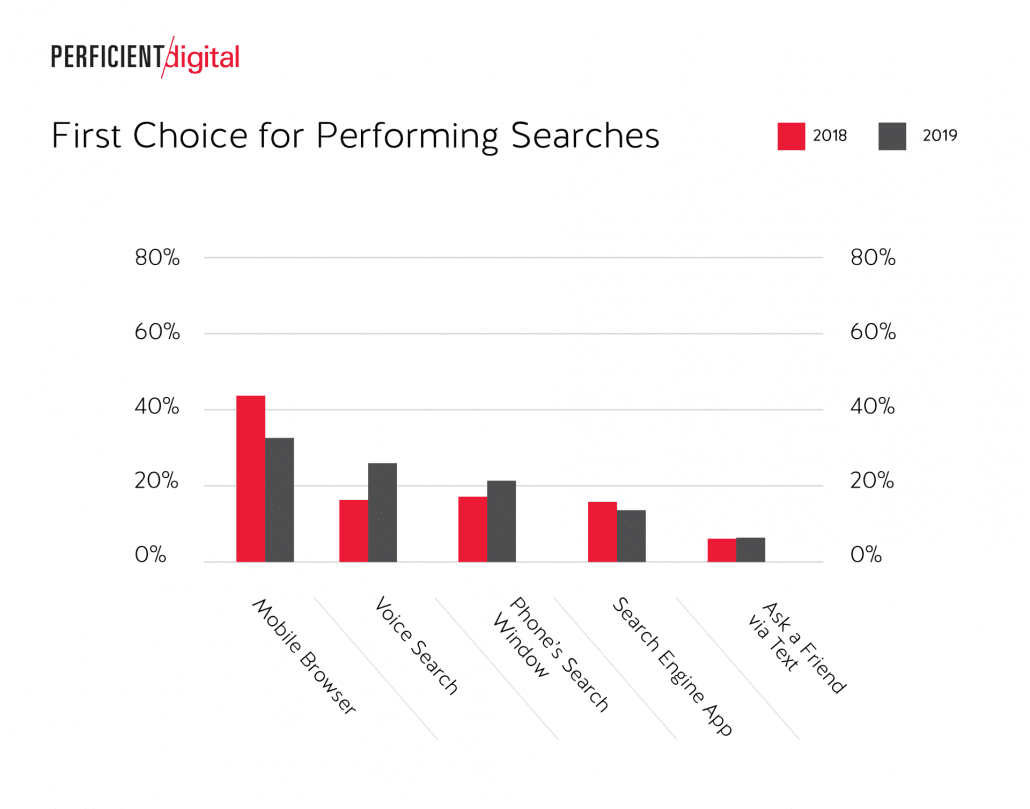
Data from early 2019 gathered by Perficient Digital show that voice search is the number two choice for making mobile searches, even above the built-in search box on most devices.
Mobile browser
Voice search
Phone’s search box/window
Search app
Text a friend
Almost Half of People Use Voice Search
Similar findings in July from Adobe showed that nearly half of all consumers reported using voice search for “general web searches”.
Notably, the vast majority of respondents (85%) say they use their voice search tools directly from their smartphone, while only 39% reported using smart speakers.
Trying to project exactly how many smart speakers are in U.S. homes has been notoriously tricky. Some estimates have estimated that there were more than 118 million smart speakers in American homes, but others have suggested the real number could be much lower.
When it comes to which smart speakers people are putting around their homes, Amazon is consistently in the lead, with around 75% of the U.S. market. In just Q3 of 2019, the company reportedly shipped at least three times as many smart speakers as Google – its closest competitor.
Siri and Google Assistant Are The Main Virtual Assistants
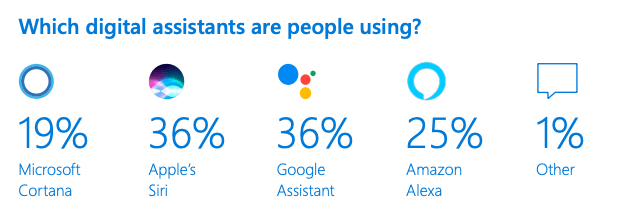
Meanwhile, since Amazon does not offer a smartphone, Apple and Siri largely dominate the field when it comes to using smart assistants on phones.
A report from Microsoft in April showed that both companies were neck-and-neck in smart assistant usage, followed by Alexa. Microsoft’s own Cortana came in fourth, only followed by “Other”.
The Takeaway
Smaller businesses have largely stayed away from optimizing specifically for voice search. After the tremendous growth in 2019, however, this is likely to change. Not only are a large number of consumers regularly using voice assistants, they are using them specifically to find and purchase products as soon as possible.
https://www.tulsamarketingonline.com/wp-content/uploads/2019/12/Voice-Search.png360640Taylor Ballhttps://www.tulsamarketingonline.com/wp-content/uploads/2018/07/TMO-Logo.pngTaylor Ball2019-12-26 19:24:212019-12-26 19:24:212019 – The Year of Voice Search
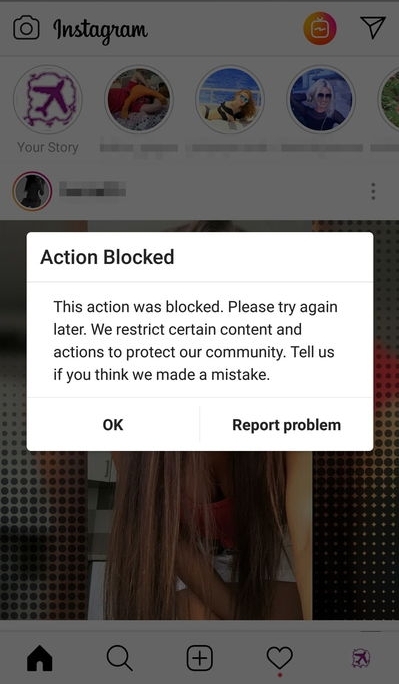
Instagram is cracking down on influencers and brands publishing content relating to a few controversial topics.
While the company has had policies restricting branded content related to vaping, tobacco products, and weapons, the company is introducing a new policy which will more vigorously enforce these restrictions.
The ramp up of enforcement will come over the coming weeks, giving brands and influencers a small amount of time to plan their future marketing efforts.
Instagram also says it will be enacting more rules related to branded content promoting alcohol and diet supplements in the coming year.
Details on the initiative are limited, but the company says it is building new tools to help enforce age-based content restrictions which will help creators ensure adult content is not seen by minors.
While the site may be restricting a few types of branded content, the company says its overall goal is to help creators grow and connect more with their audiences.
As the policy announcement concludes:
“Creators on Instagram are a vital part of our community, and we will be investing even more resources in 2020 to help them build their businesses on Instagram.”
https://www.tulsamarketingonline.com/wp-content/uploads/2019/12/InstagramLogo.jpg441800Taylor Ballhttps://www.tulsamarketingonline.com/wp-content/uploads/2018/07/TMO-Logo.pngTaylor Ball2019-12-19 17:59:042019-12-19 17:59:04Instagram announces a new crackdown on controversial branded content
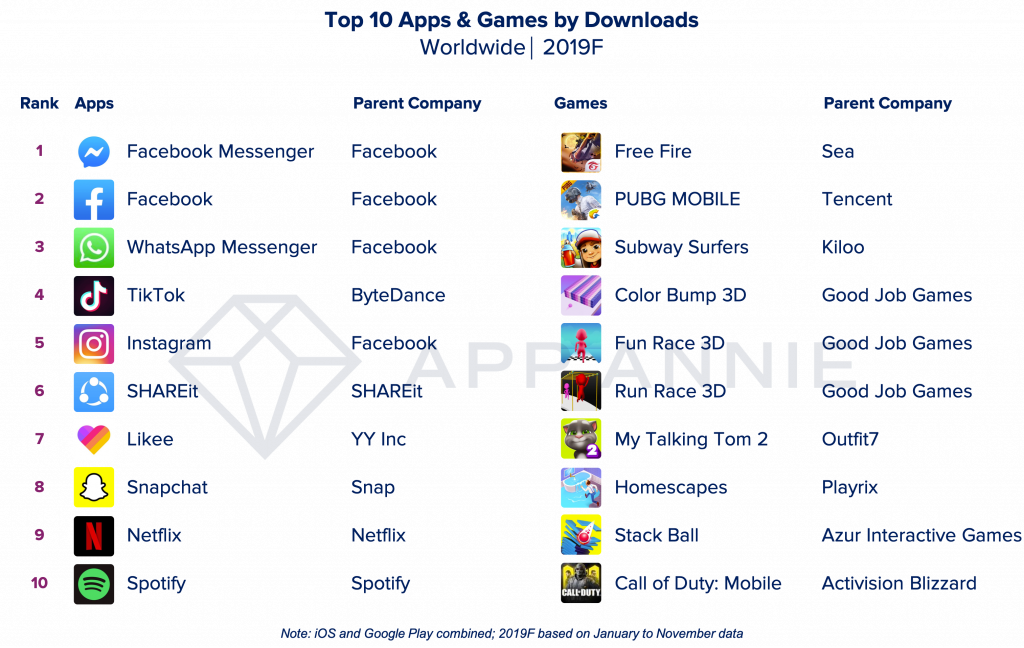
Facebook’s dominance of the internet continues, as reports say the company owns 4 of the 5 most downloaded apps in the world this year.
App Annie’s year-end report shows that Facebook helped drive a worldwide record for app downloads with 120 billion apps downloaded between iOS and Android in 2019 – a 5% year-over-year increase.
According to App Annie’s data, the top 5 app downloads of the year are:
Facebook Messenger
Facebook
WhatsApp Messenger
TikTok
Instagram
TikTok is the only app in the top 5 not owned by Facebook.
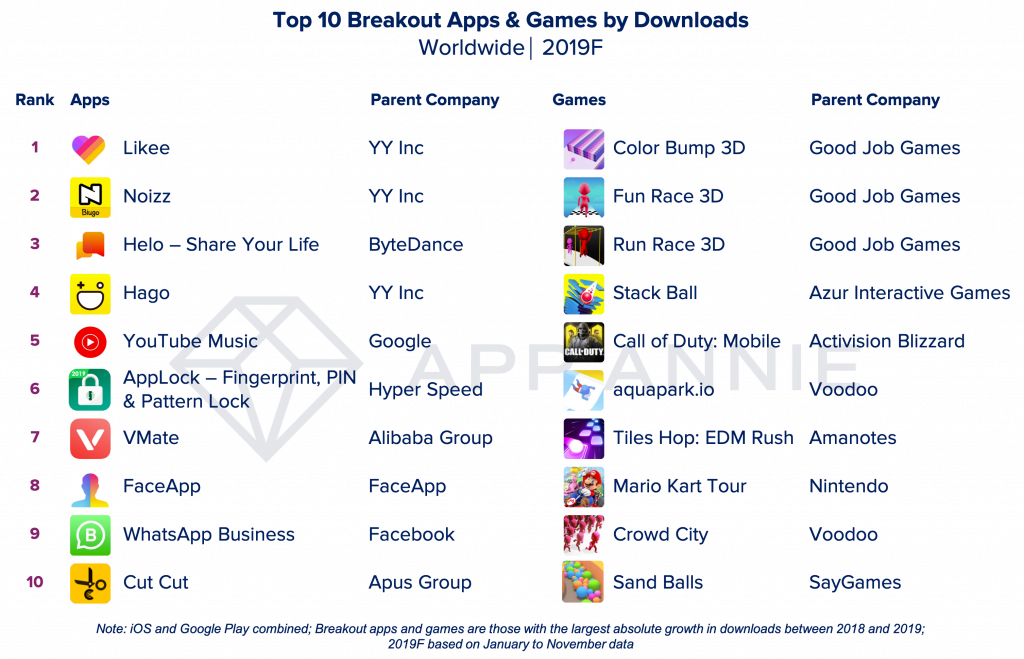
Breakout Apps
In addition to the top app downloads over the past year, App Annie also detailed the top “breakout apps” which showed the largest growth in downloads between 2018 and 2019. While most are still relative unknowns, they could potentially be chart-toppers in the near future.
Likee
Noizz
Helo
Hago
YouTube Music
Based on the its current estimations, App Annie believes 2020 is posed to be even more lucrative for app downloads and consumer spend. Excluding games, the report predicts spending to reach more than $30 billion in the coming year.
https://www.tulsamarketingonline.com/wp-content/uploads/2019/12/FacebookMobile.jpg360640Taylor Ballhttps://www.tulsamarketingonline.com/wp-content/uploads/2018/07/TMO-Logo.pngTaylor Ball2019-12-17 17:31:132019-12-17 17:31:13Facebook owns 4 of the 5 most downloaded apps of 2019
If there is anything that has remained true about online marketing over the past decade, it is that online marketing is always changing. Even the most conservative estimates suggest that Google makes around 9 changes to their search engine algorithm every day.
To stay ahead of the curve, businesses can’t just understand where online marketing and SEO is today. They have to be able to look forward to predict the next wave of updates they can expect in the coming months and years.
With that in mind, I wanted to spend some time today talking about some of the biggest trends you can expect to see in 2020 and beyond:
1) Snippets Become The New “Number 1 on Google”
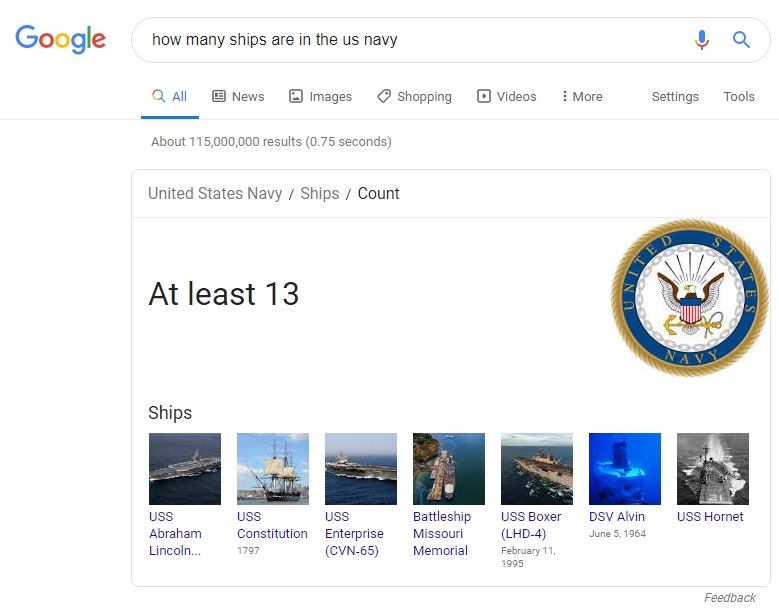
For years, Google has been using Featured Snippets to highlight quick information that may answer your query without ever having to click on a search result. You can see these when you search for recipes, look for lyrics to your favorite songs, or ask questions with relatively simple answers like “How big is the sun?”
Brands have long avoided targeting these snippets which typically appear above all other search results, believing that they reduce the chance of a person clicking onto their website or otherwise converting. However, growing evidence suggests snippets actually drive higher click-through rates and engagement by quickly establishing a single site as the authority.
Over the next year, the competition for these snippets is likely to continue rising, making them the next big fight for search engine results dominance.
2) Mobile Really Comes First
We’ve been talking about this moment for years. We officially use our smartphones and tablets to access the internet more desktop devices.
As such, Google has announced that its ‘Mobile-First Index” would become its primary search index. That means Google is now looking at the mobile version of your site before it ever considers the desktop version when ranking search results.
With this in mind, having a stripped-down mobile version of your site or not having a mobile site is no longer a viable option if you want to succeed online.
Site speed will also continue to be a major ranking factor because of its importance when accessing sites on the go from mobile devices.
3) Visual Search Gets Serious
Visual search has existed as a novelty in online marketing for some time now, slowly improving with each iteration. Now, we are reaching the point where visual search is becoming a major player in search.
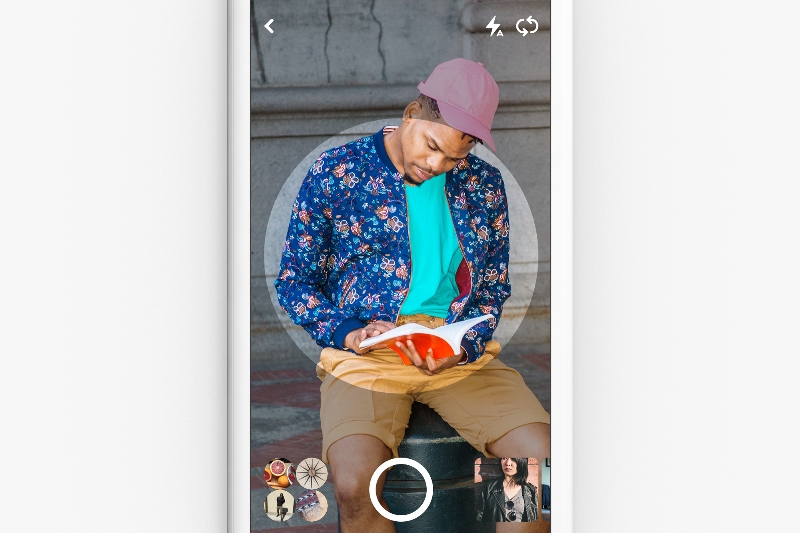
While we don’t have statistics from Google Lens or Bing’s Visual Search, Pinterest’s Lens has been a revealing foray into the viability of visual search.
Within a single year of launch, Pinterest Lens was receiving more than 600 million visual search queries every month. This September, the company announced the tool was able to identify over 2.5 billion unique objects within the fashion and home industries.
With this in mind, it is easy to imagine a day in the near future when people regularly find it easier to snap a quick picture than come up with a precise text query when trying to find a specific item online.
4) Voice Search
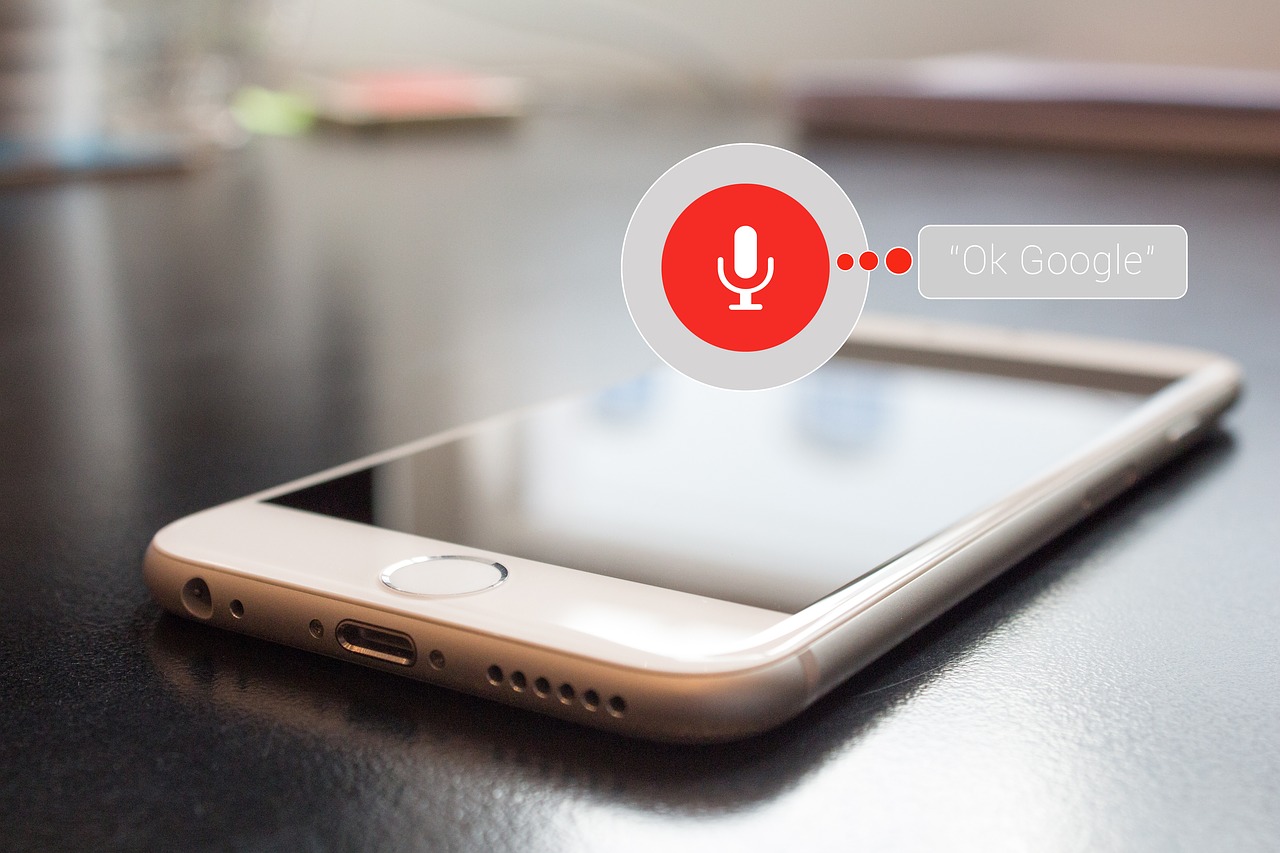
Speaking of convenience, people are quickly turning to their Alexas, Echos, Siris, and Dots for their casual search needs – whether it is checking the weather or quickly ordering a product.
Out of all the coming changes, this may have the largest effect on how brands optimize their websites and content. This is because voice queries tend to be almost completely different than the types of queries we make when typing into a browser form.
With some estimates suggesting voice search could account for nearly half of all searches by the end of 2020, brands will have to begin optimizing for more conversational “long-tail” search queries and the unique capabilities of voice assistants.
5) Video Rules The Content Landscape
This is another online marketing trend that has been growing for years, but shows absolutely no signs of slowing down in the coming years.
The simple truth is that videos are more engaging than almost any other form of media, providing both audio and visual information in a quickly consumable package. Thanks to faster internet speeds and improved search indexing, they have also been an increasingly effective tool for sharing your content and driving actual engagement.
To give you an idea, some statistics suggest that videos can increase engagement by more than 80% compared to sharing the same information in simple text or audio clips.
Despite this, many brands have still avoided investing in video marketing because they believe it is inherently expensive or ineffective in local markets. Ironically, most users say they often enjoy videos shot using “authentic” methods like shooting selfie-style using a smartphone as much or more than slickly produced commercial videos.
Waiting for the “next big thing” to blow up before you jump in is a surefire way to always be a step behind your competition online. You don’t have to invest in every whim or indulgence of the digital marketing landscape, but focusing on these five surefire trends is sure to have you starting 2020 at the head of the pack.
https://www.tulsamarketingonline.com/wp-content/uploads/2019/12/5-Online-Marketing-Trends-To-Know-2020.png315560Taylor Ballhttps://www.tulsamarketingonline.com/wp-content/uploads/2018/07/TMO-Logo.pngTaylor Ball2019-12-10 17:15:152019-12-10 17:27:365 Online Marketing Trends You Need To Know Ahead of 2020
Have you ever wonder exactly how Google works? How it sorts through the billions upon billions of web pages to find the best results for users?
The latest video in the company’s “Search for Beginners” series helps explain the basics behind how the search engine functions, including crawling, indexing, and ranking sites in its search results – specifically from the perspective of a business owner trying to get their site ranking well.
While the video doesn’t get into more advanced concepts like Search Engine Optimization, it lays out a very clear picture of how the broad strokes of online search engines work.
If you’ve just set up your first website or you’re considering investing in online marketing, this clip will be enlightening and point you towards some valuable resources like the Google Webmaster guidelines, SEO starter guide, and Google Webmasters portal.
https://www.tulsamarketingonline.com/wp-content/uploads/2019/01/google-1018443_640.png244640Taylor Ballhttps://www.tulsamarketingonline.com/wp-content/uploads/2018/07/TMO-Logo.pngTaylor Ball2019-12-05 15:32:552019-12-05 15:32:55Animated Video Explains How Google’s Search Engine Works
Snapchat is launching a new format for video ads called Extended Play Commercials which allows advertisers to run ads up to three minutes long.
The video ads are skippable after six seconds and will be shown as mid-roll ads – similar to how Snapchat handles shorter ads.
The goal behind Extended Play Commercials is to let advertisers tell longer, more engaging stories to users who are already actively engaged with the platform. As the company tells AdWeek, Snapchat believes these ads will help capture a greater share of the video ad market:
“The company believes the flexibility that extended play commercials provides to video advertisers will help it gain more share of the overall online video advertising market.“
While the new ad format is currently only available in closed beta, advertisers can request access by making a request through Ads Manager or contacting a Snapchat advertising representative.
David Router, Snapchat’s VP of Global Agency Partnerships, says the ads are a great way for advertisers to connect with shoppers this holiday season:
“We’re committed to building high-impact, long-form video ad formats, and extended play commercials are a great option for online video and TV buyers. Heading into the holidays, this format is a powerful new way to reach our Generation Z and millennial audience in Snapchat’s premium, brand safe Discover content.”
https://www.tulsamarketingonline.com/wp-content/uploads/2019/11/1-snapchat.jpg480800Taylor Ballhttps://www.tulsamarketingonline.com/wp-content/uploads/2018/07/TMO-Logo.pngTaylor Ball2019-11-26 15:47:062019-11-26 15:47:06Snapchat’s new Extended Play Commercials run up to 3 minutes long
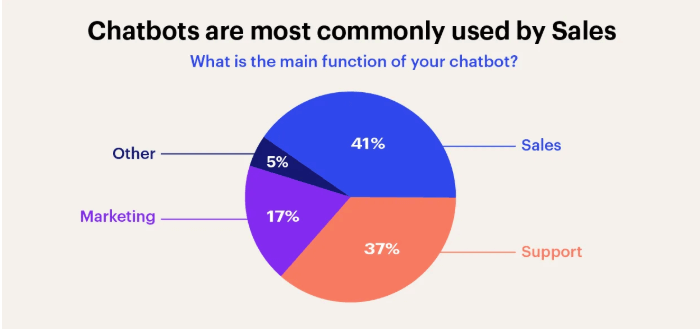
Chatbots are becoming a mainstay of everyday commerce, helping customers quickly connect with brands of all types and sizes and facilitate online sales.
According to a new study from Intercom, the automated messaging bots are also helping businesses save considerable amounts of money, with business leaders saving an average of $300,000 in 2019. However, the findings also reveal a disconnect between shoppers’ preferences and chatbot prevalence.
Notably the study found that 74% of customers surveyed expect to encounter chatbots on a website, though more than 85% of customers still prefer speaking with a human.
Although shoppers may not prefer chatbots, there are plenty of signs to suggest the bots are a uniquely powerful tool for driving sales. One prediction from Juniper Networks estimates the tool will drive more than $110 billion in retail sales by 2023.
The reason is that having a human available to respond to questions isn’t always feasible. Brands may not have the budget to have a receptionist or social media manager available at all times.
These bots help fill a needed gap in customer service, marketing, and sales simultaneously – leading to higher sell-through rates according to the Intercom study.
“Chatbots increased sales by an average of 67%, with 26% of all sales starting through a chatbot interaction,” the study found.
https://www.tulsamarketingonline.com/wp-content/uploads/2019/11/Chatbot1.jpg405720Taylor Ballhttps://www.tulsamarketingonline.com/wp-content/uploads/2018/07/TMO-Logo.pngTaylor Ball2019-11-21 15:56:042019-11-21 15:56:04Chatbots Fueled Sales and Saved Businesses $300,000 This Year
Google has announced it plans to warn users of its Chrome browser about slow sites using a method called “badging”.
The idea is to provide a sign letting users know when a site typically loads slowly before they ever click a link to that site or while the site loads. Google sees this as a way to “reward” fast sites, saying:
“We think the web can do better and want to help users understand when a site may load slowly, while rewarding sites delivering fast experiences.”
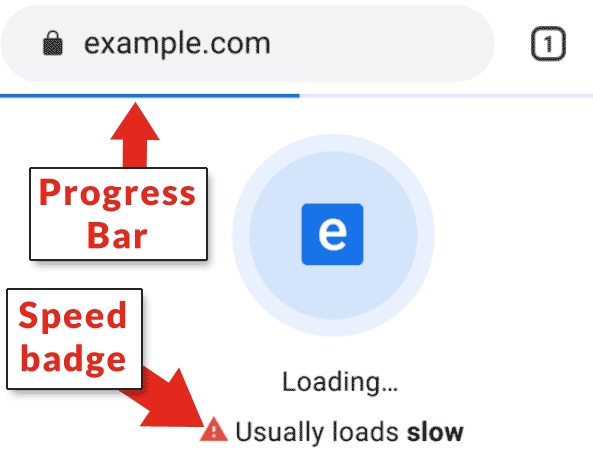
For example, Google published one concept for what a slow speed badge could look like while a site is loading:
In this case, it is likely that the badge could increase abandonment rates for slow sites.
The company is also talking about using contextual menus that preview links and would include similar badges indicating a site is fast.
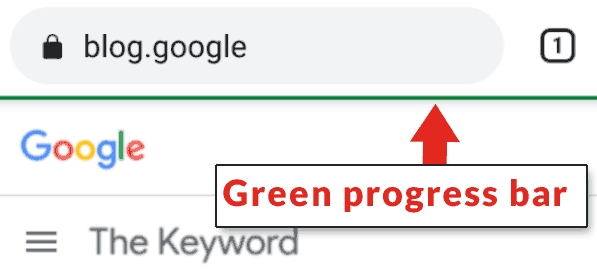
Another idea includes subtly changing the color of loading bars to indicate whether a site is fast:
As the company explained in its announcement:
“Our early explorations will look at a number of Chrome surfaces, including the loading screen (splash screen), loading progress bar and context-menu for links. The latter could enable insight into typical site speeds so you’re aware before you navigate.“
The web browser admits this idea is in the early stages, and may considerably change before they determine “which provides the most value to our users.”
Additionally, the company says they plan to expand the badges to include a number of metrics aside from speed:
“Our long-term goal is to define badging for high-quality experiences, which may include signals beyond just speed.”
https://www.tulsamarketingonline.com/wp-content/uploads/2019/10/Google_Chrome_logo_and_wordmark_2015.png203655Taylor Ballhttps://www.tulsamarketingonline.com/wp-content/uploads/2018/07/TMO-Logo.pngTaylor Ball2019-11-14 15:56:042019-11-14 15:56:04Google Chrome May Warn Users About Slow Sites Before They Click
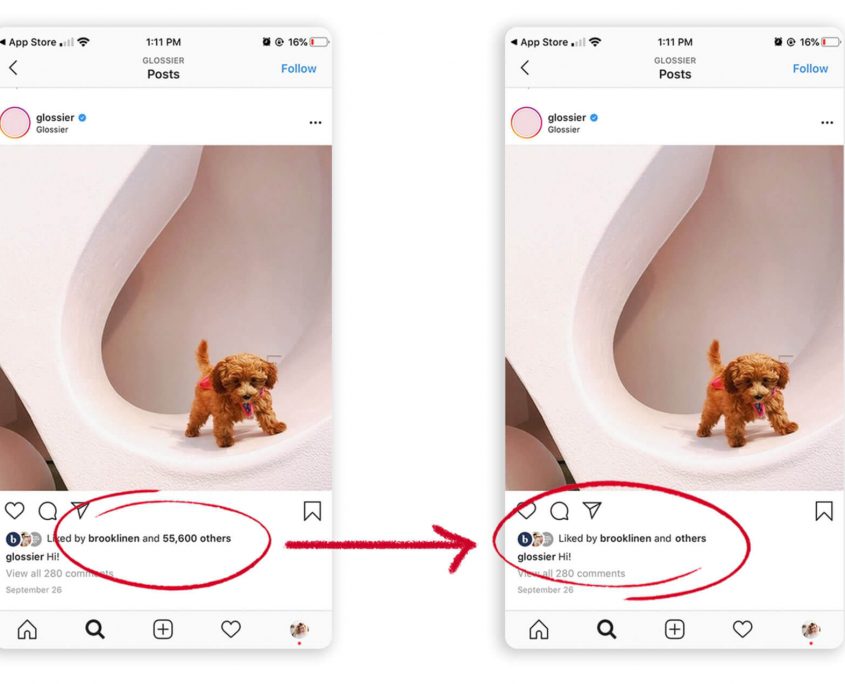
Instagram will start testing the removal of “Like” counts in the US as early as this week, the company’s CEO announced recently.
The company has already been testing eliminating the “Like” counts from view for users in Canada, Brazil, Japan, and Australia. However, this is the first time they will be testing the concept for American users.
Notably, in these tests, Instagram has not totally removed the presence of Likes or the ability to view your total likes. Instead, the site has hidden the total number of Likes from other users viewing a person’s post on desktop or viewing a person’s profile. This makes it so that only account owners can view the number of Likes a post receives.
If Instagram proceeds to remove Likes entirely from public view, it could have a significant impact to how users interact with content and how online success is measured.
For instance, influencers and marketers will likely stop relying on Likes as a measure of their posts success. Instead, they might shift to other, deeper engagement metrics such as clicks, comments, or shares.
For now, Instagram is just testing removing likes. Given that they have slowly been expanding this feature around the world, however, it seems likely that the platform is seriously considering hiding your Likes from public view for good.
https://www.tulsamarketingonline.com/wp-content/uploads/2018/12/Instagram-logo-text.png228640Taylor Ballhttps://www.tulsamarketingonline.com/wp-content/uploads/2018/07/TMO-Logo.pngTaylor Ball2019-11-12 17:51:052019-11-12 17:51:05Instagram to Test Removing “Like” Counts From U.S. Users