
Instagram is quickly growing from just a platform for users to share pictures and videos towards a fully-fledged combination of social media and shopping. With the help of Shopify, Instagram is rolling out a new feature allowing “thousands” of merchants to seamlessly sell their products through Instagram just in time for the holiday shopping season.
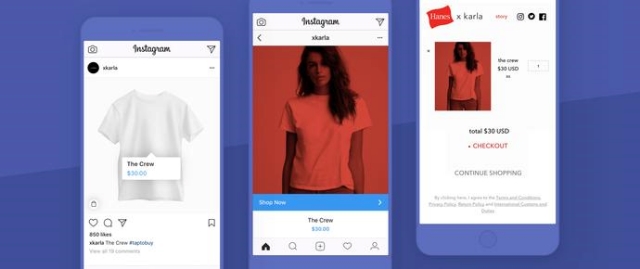
The feature allows selected merchants to tag items in their Instagram posts to mark that they are available for purchase. When viewers see the post, they can easily click the tags to directly purchase the items without ever having to leave Instagram.

The feature has been in limited testing for almost a year, but it has been restricted to just a small number of high-profile brands like Warby Parker and Kate Spade. Since then, they’ve been gradually opening the feature to a few other merchants through Shopify.

The early response to this testing has been enthusiastic, so Shopify has now decided to expand the feature to a larger testing group including “many thousands” of merchants. They say they expect to roll it out even more widely in the near future, but they want to test and refine the system before a complete launch.
Since its creation, Twitter has been defined by one simple thing. No, not memes, politics, or the platform’s ability to spread information faster than even the biggest news networks. The hallmark trait of the social media service has always been its 140-character limit.

This week, Twitter announced that could change very soon as the company has begun testing tweets that are twice as long. A small group of randomly chosen users from around the globe have been given the ability to create tweets with up to 280-characters.

As co-founder Jack Dorsey said in a tweet announcing the test:

“This is a small change, but a big move for us. 140 was an arbitrary choice based on the 160 character SMS limit. Proud of how thoughtful the team has been in solving a real problem people have when trying to tweet. And at the same time maintaining our brevity, speed, and essence!”

Of course, this isn’t the first time Twitter has experimented with super-sized tweets. The company made major waves early last year when news broke that Twitter was considering expanding tweets well beyond 140 or even 280-characters. At the time, it was rumored Twitter was considering lengthening tweets up to 10,000 characters, though the idea was eventually discarded.

The big question is whether users will actually come to like the longer tweets and if it encourages more conversation. The early reaction is somewhat hostile from users who say that removing the need for brevity doesn’t actually equate to saying more.

https://twitter.com/brianrbarone/status/912788388150960130

Given that Twitter users are largely protective of the restraints they’ve come to love, the strong reaction isn’t necessarily a surprise and may not be indicative of the long-term response. While many users complain about longer tweets, a number of determined users have found workarounds so that they can get in on the 280-character party even if they weren’t selected for the limited beta test group.

The decision to expand tweets could also remove the need for old Twitter customs where users would share screenshots of longer texts as pictures or share several related tweets as a “tweet chain” or “tweetstorm”.

Ultimately, we will all just have to sit back and wait to see whether the 280-character limit catches on or if it is just another Twitter experiment that will fade into the ether.

Pinterest just hit a major milestone and they are celebrating by teasing several new features coming soon.

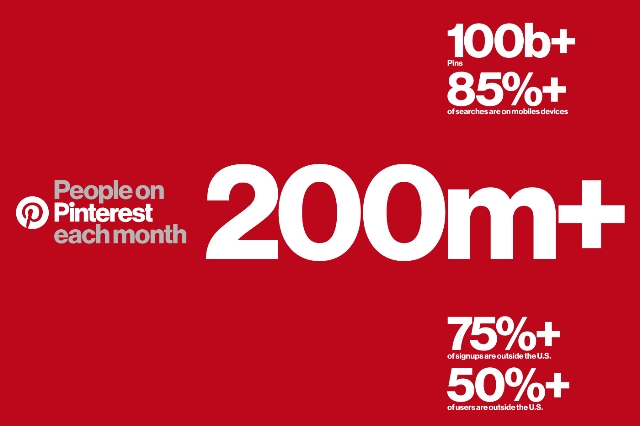
According to a blog post last week, Pinterest officially surpassed 200 million monthly active users, representing more than 40% growth since last year. Notably, more than half of these users live outside the USA which shows how Pinterest is progressing as a global platform.

At the time of the milestone, Pinterest says that over 100 billion pins had been created. It also notes that 85% of all searches on the platform come from mobile devices.

Of course, the company isn’t using the milestone as an opportunity to relax or slow down. The announcement hints at several features planned for the near future.

“You’ve told us what you want to see next, so we’re building them—it’s that simple,” Pinterest says.

For example, pinch-to-zoom functionality has been widely requested and is slated to be released soon. But, that’s just the beginning. Pinterest is also starting to test “boards-within-boards”, allowing users to create subcategories for their Pinterest boards.

Over the next few weeks, Pinterest will be sending invitations to select users to begin testing the feature – as well testing other new ideas.

The platform is keeping mum about any other projects or features they have coming down the pipeline, but the milestone announcement says you can expect to hear more in the near future.

Everyone wishes there was a simple recipe to guarantee you’ll rank at the top of the search engines, but Google’s Gary Illyes says there is no such thing. In fact, there isn’t even a consistent top-three ranking factors for all content.

Instead, Illyes explains that the top-ranking factors for web pages vary depending on the query being searched. Going by that thought process, factors like links might be used to verify that something is newsworthy, while page speed, content quality, and keyword usage may be more useful for some types of content.

John Mueller, also a big figure at Google, joined the discussion to suggest that worrying about optimizing for specific ranking factors is “short-term thinking.”

Surprisingly, Illyes takes it even further by saying that links – often viewed as one of the most important signals for a website – are often not a factor in the search results at all. Long-tail search queries, in particular, are likely to pull up content with few to no links.

While this can be discouraging to brands or businesses looking for specific ways to improve their site and rank higher, the overall message is clear. A holistic approach that prioritizes people’s needs and desires is bound to benefit you, while myopically focusing on specific factors is bound to eventually leave you left behind.

As Mueller suggests – if you build something awesome, Google will come.

Your Google My Business listing is one of the best ways to make sure potential customers in your area find your business. The listings provide the information about where your business is, your hours, and what types of products or services you offer, and the listings often appear above any other regular search results.

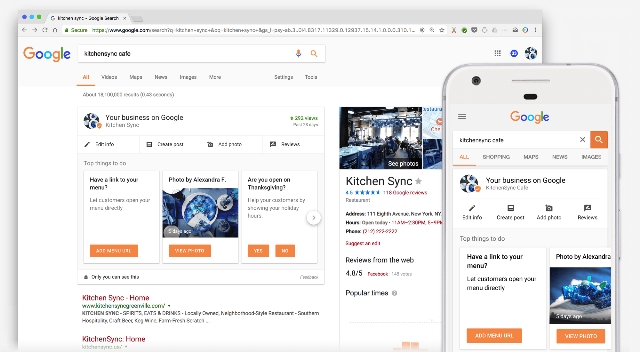
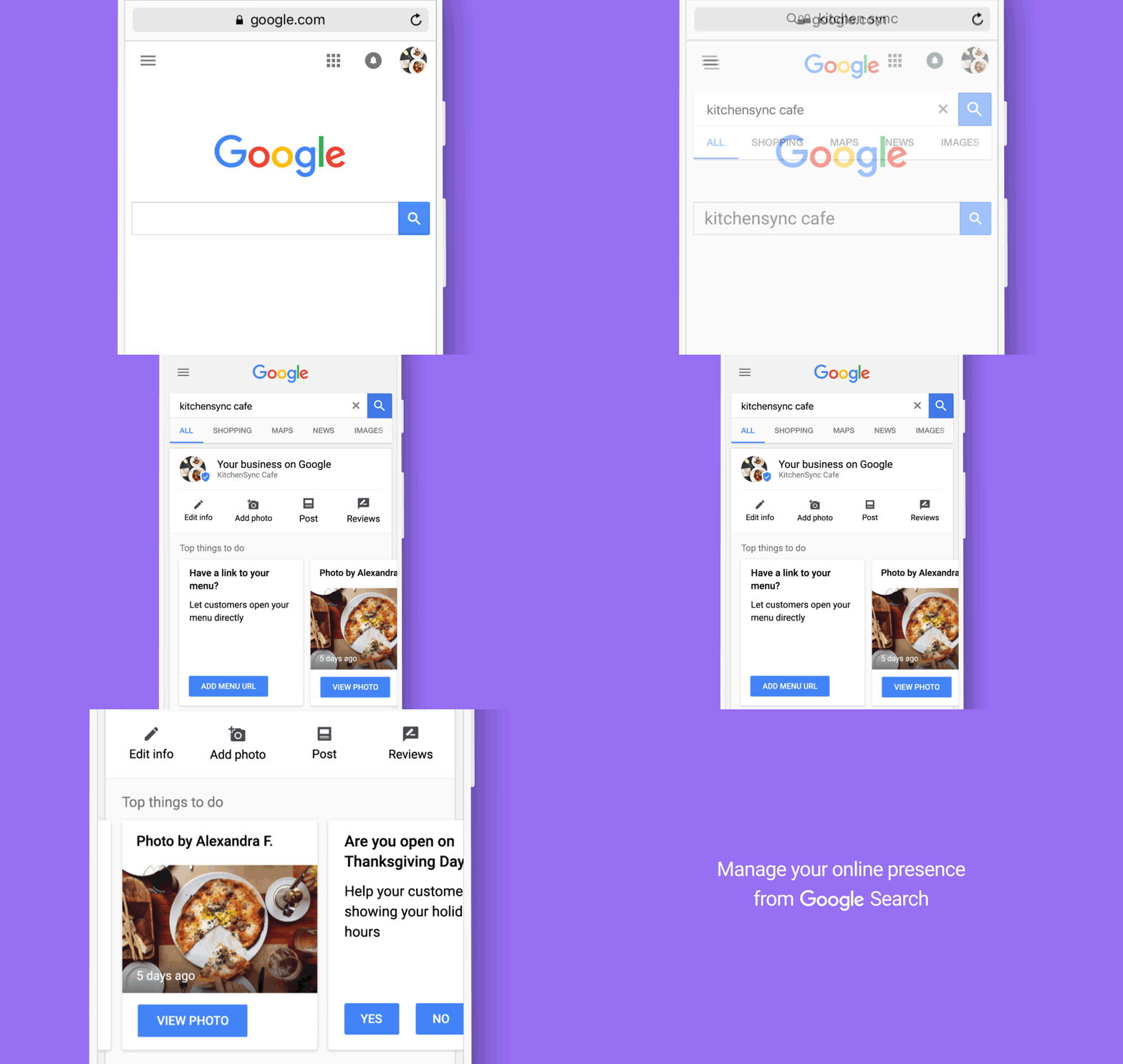
Now, Google is making it easier than ever to maintain and edit your GMB listings by letting you manage them straight from the search results pages.

When you search for your business while logged into the Google account associated with your GMB listing, you will now be shown a new dashboard where you can edit your business information, add new stylish photos, share posts about your business, and even see how many views your listing is receiving.

If you are like the many businesses who have incomplete listings or haven’t updated your business info in years, now is the time to take action. Google highlights a number of reasons that having a thorough and informational listing is important for local businesses in their announcement, including:

  • More than 80% of online searchers use the web to find local information.
  • Businesses with complete listings on Google are twice as likely to gain customer trust, and
    • 38% more likely to attract in-store visits
    • 29% more likely to see a purchase

Don’t you wish there was an easy way to find out exactly what terms people are using to find your business online? That way, you could refine your keywords to take advantage of where you’re already succeeding and put more work into areas that aren’t getting found without hours and hours of research and analytics.

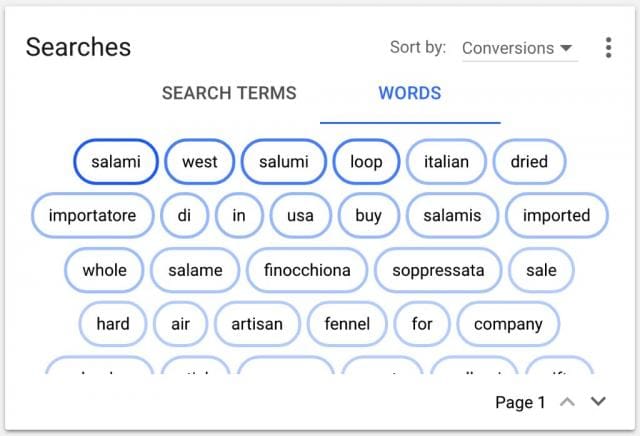
Well, now you can do just that without any expensive software or tracking services, with AdWords’ new ‘Searches’ card. The new card shown in your AdWords dashboard highlights the most popular words and phrases people are using to find your business in one convenient space.

With this information, you can better target your ads and search keywords or create negative keywords from search terms that aren’t relevant for your business. This way, you can be sure that people who are interested in what you offer are finding you.

The AdWords Searches card can be found on your Overview page of your account and looks like this:

The card is only available in the new AdWords system which recently rolled out for most countries.

Of course, the new AdWords card isn’t as powerful as comprehensive keyword research or analytics. However, it provides a quick glimpse into where you are doing well and where you can do more to promote your goods and services online.

Google has been testing the waters with putting autoplay videos in search results for a few weeks, and today they made it official. The company announced a less intrusive (and less annoying) version of autoplay videos are being rolled out to search results starting today.

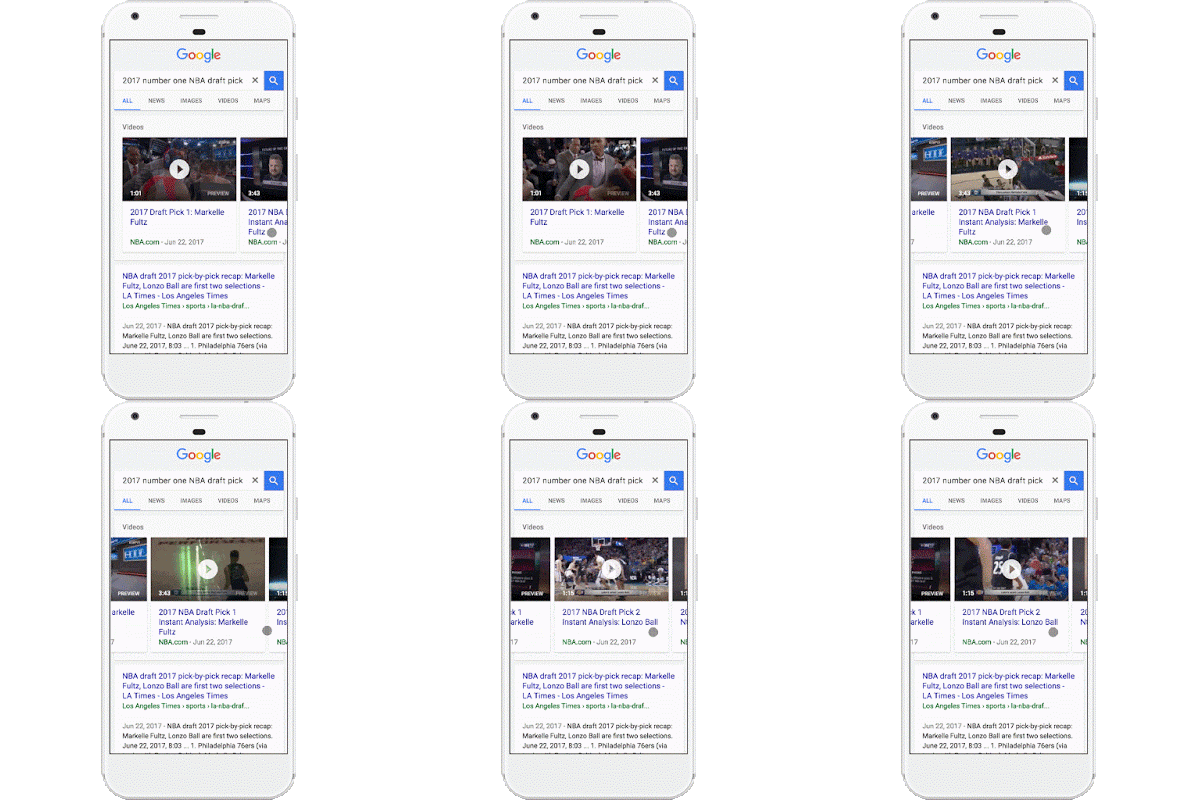
The videos will take the place of the static images that have been shown as a “preview” for video search carousel results, such as when YouTube videos are shown in the results.

You can see what this looks like in action in the GIF below:

As the company explains in the announcement, the autoplay videos will help users get a better idea of what videos contain before they decide to click.

”…you now have access to video previews directly in search results, giving you a better idea of what you’re about to watch before you tap.”

If you’re worried about the new feature eating up your data plans on mobile devices, you can breathe a sigh of relief. The search engine says autoplay video previews will only play when you are connected to wi-fi, unless you decide to enable the feature on mobile networks within the settings menu. You can also completely opt-out of the autoplay videos in the same place.

For now, only some using the Google Search or Chrome apps for Android will be able to see the autoplay videos in their searches. The feature will be rolling out to all of these users over the coming week and is expected to be expanded to other devices and search apps in the future.

When it comes to mobile users and the internet, there is nothing more important than speed. Every step between the first click and the final conversion gives users the opportunity to set their phone down, get a call, or just get bored.

That’s why Google is doing everything it can to help businesses streamline the process, including this week’s launch of new “action buttons” that allow people to take action with your business straight from your Google My Business listing.

The new buttons allow you to add links to specific actions, including a variety of options for businesses from a number of industries – most notably service industries like restaurants and retailers. These links will then appear on your GMB listings anytime users see them in the search results.

Possible action URLs can include:

  • Booking an appointment
  • Placing an order
  • Reserving a table
  • Searching for items
  • Viewing the menu

Adding an action button to your own GMB listing is easy and just takes a few steps:

  • Sign in to Google My Business.
  • Choose the listing you want to edit.
  • Click into the URLs section.
  • Enter your URLs in the appropriate fields.
  • Click Apply.

There is only one minor catch to these buttons. Google says in some cases it will add non-editable, third-party links into these listings when the link relies on a third-party system. The search engine says these links are added because “Google works with select third-party providers that provide booking and ordering services for local businesses.”

In most cases, these links are completely unable to be edited or removed. Google says you can reach out directly to the third-party provider and request the link be changed or removed, but I’d imagine they will be unlikely to comply.


Twitter advertising

Twitter’s ad platform is reportedly in dire need of revenue. Judging by its latest advertising program the company is testing out, it appears that might be the case. The company is definitely getting quite creative in their attempts to find more business, at least.

Twitter is testing the idea of launching a subscription-advertising program designed to let smaller businesses and advertisers pay $99 a month to have their advertising automated by the company. The service would automatically promote their tweets, as well as run Promoted Account ads for the associated account each month.

“Instead of creating and optimizing separate Twitter Ads campaigns yourself, this program will do the heavy lifting. You just need to continue using Twitter as you normally do — Tweeting updates, links, and media that you want a larger audience to see. Then, the promotion of your Tweets will be automated,” as Twitter says on their business site page explaining the new program.

For now, the Twitter Subscription Ads Beta Program is invite-only while Twitter tests the waters. Based on the information available, it looks set to be aimed primarily at smaller advertisers who are using the company’s self-serve ad tools.

While this might sound nice to businesses interested in advertising but unfamiliar with the tricks of the trade, it’s important to know the program has some pretty big downsides. The biggest would be the amount of control you’re giving up.

Unlike normal ad campaigns where you get to select exactly what you’re promoting, participants in the subscription service will have little to no control over what Tweets are turned into ads or whom they are shown to. The company also notes that “not every Tweet that is added to your Promoted Tweet campaign will serve an impression, and the extent each Tweet is promoted may vary based on performance.”

If you’re thinking you might be able to fold the subscription service into your existing advertising efforts, you’ll also be disappointed to learn that isn’t possible. Any account participating in the program will lose access to Twitter’s self-serve ad platform. “In order to participate in this private beta program your previous ads account will no longer be accessible,” says Twitter.

Everyone knows social media is fickle. You can share something you think is great and get no response, while an offhand post that you threw up blows up with likes, comments, and shares. So what makes the difference?

Of course, there are countless reasons that some things perform better than others on social media, but one of the biggest factors is likely something you haven’t considered – timing.

Timing really is everything on social media, but it can be hard to discern exactly when the best time is for you to start posting. The right time on Twitter may not be the right time on Facebook, LinkedIn, or Instagram. Complicating things more, the best times are different for varying industries.

So, how do you figure out when the right time is for you? You could just try different things until something works, but I suggest using the infographic below to take a more informed approach.

The infographic from CoSchedule combines all the best data about timing on social media to give you a complete guide for discovering the prime time for your social media activity. Check it out below or head over to CoSchedule’s site for a more in-depth breakdown.