In the latest episode of Google’s “Search for Beginners” series, the company focused on 5 things everyone should consider for their website.
While it is relatively straight and to the point, the video shares insight into the process of ranking your site on Google and ensuring smooth performance for users across a wide range of devices and platforms.
Specifically, Google’s video recommends:
Check if your site is indexed: Perform a search on Google for “site:[yourwebsite.com]” to ensure your site is being properly indexed and included in search results. If your site isn’t showing up, it means there is an error keeping your site from being crawled or indexed.
Provide high quality content: Content is essential for informing users AND search engines about your site. Following the official webmaster guidelines and best practice documents will help your site rank better and improve overall traffic.
Maximize performance across all devices: Most searches are now occurring on mobile devices, so it is important that your site loads quickly on all devices. You can check to ensure your site is mobile friendly using Google’s online tool here.
Secure your website: Upgrading from HTTP to HTTPS helps protect your users information and limit the chance of bad actors manipulating your site.
Hire an SEO professional: With the increasingly competitive search results and fast-changing results pages, Google recommends hiring an outside professional to assist you.
The video actually implies that hiring an SEO professional is so important they will be devoting significantly more time to it in the future. Here’s what the presenter had to say:
“Are you looking for someone to work on [your website] on your behalf? Hiring a search engine optimizer, or “SEO,” might be an option. SEOs are professionals who can help improve the visibility and ranking of your website. We’ll talk more about hiring an SEO in future episodes.”
https://www.tulsamarketingonline.com/wp-content/uploads/2020/01/GoogleRankings.png360640Taylor Ballhttps://www.tulsamarketingonline.com/wp-content/uploads/2018/07/TMO-Logo.pngTaylor Ball2020-01-30 16:02:312020-01-30 16:02:31Google Reveals The 5 Things Every Website Should Do
Google says it is walking back a significant recent redesign of its desktop search results after widespread negative reaction.
Earlier this month, the company released an update which brought desktop search results closer to the current mobile results, including changing how ads appeared in the results.
However, many said the change made it difficult to distinguish between paid advertisements and organic search results.
This isn’t the first time Google has been accused of making it difficult to tell ads from organic results, however it is the first time the company has agreed to backtrack on the changes.
Last week we updated the look of Search on desktop to mirror what’s been on mobile for months. We’ve heard your feedback about the update. We always want to make Search better, so we’re going to experiment with new placements for favicons….
In a Tweet, the company said: “Last week we updated the look of Search on desktop to mirror what’s been on mobile for months. We’ve heard your feedback about the update. We always want to make Search better, so we’re going to experiment with new placements for favicons.”
Despite the negative response, Google says initial tests of the change were positive and cited the warm response to similar mobile search results designs.
Read the full statement below:
“We’re dedicated to improving the desktop experience for Search, and as part of our efforts we rolled out a new design last week, mirroring the design that we’ve had for many months on mobile. The design has been well received by users on mobile screens, as it helps people more quickly see where information is coming from and they can see a prominent bolded ad label at the top. Web publishers have also told us they like having their brand iconography on the search results page. While early tests for desktop were positive, we are always incorporating feedback from our users. We are experimenting with a change to the current desktop favicons, and will continue to iterate on the design over time.”
https://www.tulsamarketingonline.com/wp-content/uploads/2019/02/GoogleAdsGoogleAdwordsManagementPageFeaturePicture2.jpg4001000Taylor Ballhttps://www.tulsamarketingonline.com/wp-content/uploads/2018/07/TMO-Logo.pngTaylor Ball2020-01-28 17:32:012020-01-28 17:34:28Google Backtracks On Its Latest Change To Desktop Search Results
For years, the only way to showcase your products within Google’s search results has been through paid shopping ad campaigns.
Though effective, these Shopping campaigns have grown increasingly competitive and more costly, despite more popular shopping sites like Amazon and Pinterest offering organic ways to promote your goods.
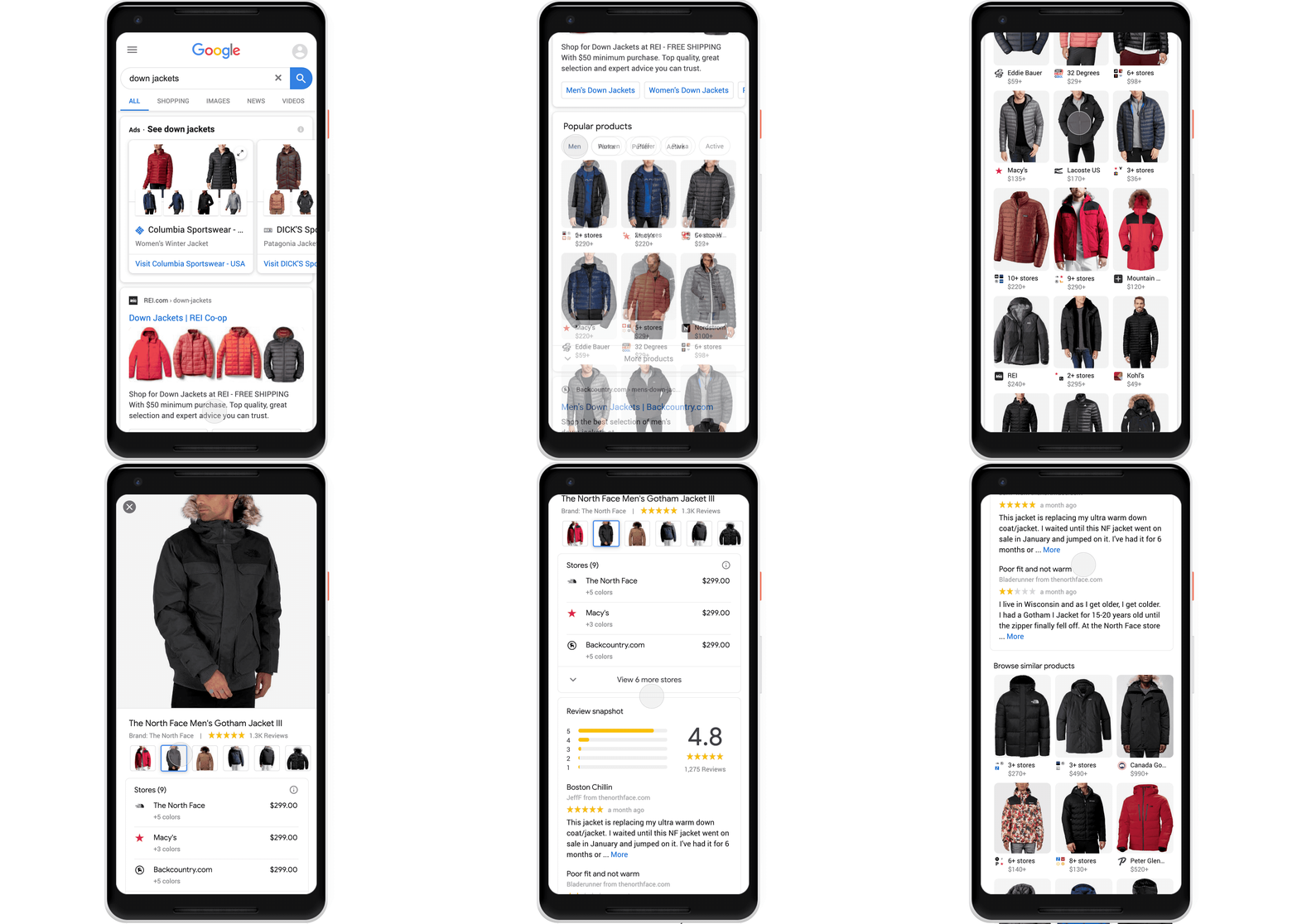
Now, Google is returning to its organic search roots with a new way to showcase clothes and other retail products in a specialized search results format for mobile users.
What Are Popular Products Listings?
The Popular Products section is designed to pull together relevant products for searches focused on shopping or retail.
“Starting today, you’ll begin to see clothes, shoes and accessories from across the web in one place on Search on your mobile device, so you can easily browse lots of different stores and brands at once.”
The search results in the section can also be further refined by style, department, and size, with each listing taking interested shoppers to a store’s website.
How To Get Your Products In The Popular Products Section
Though it takes a little bit of specialized work, the process of including your products is relatively easy for most website managers.
Firstly, retailers start the process by uploading their products into Google’s Merchant Center – a free tool available for all retailers. Additionally, you can increase the chances of your products being included by including structured markup data in your product listings.
As Google says:
“Just as we don’t charge sites to be part of the Google Search index, participating retailers appear in this new feature for free. Retailers can learn more about what types of products are eligible to appear in this shopping experience on Search.”
https://www.tulsamarketingonline.com/wp-content/uploads/2020/01/5ceefda5a0a4fb37ecdd02f7_google-shopping-logo-with-text.png6471510Taylor Ballhttps://www.tulsamarketingonline.com/wp-content/uploads/2018/07/TMO-Logo.pngTaylor Ball2020-01-16 18:04:362020-01-16 18:04:36Highlight Your Products On Google Organically With ‘Popular Product Listings’
Google has announced it is rolling out a widespread update to its search engine algorithm which it is simply titled the ‘January 2020 Core Update’.
Later today, we are releasing a broad core algorithm update, as we do several times per year. It is called the January 2020 Core Update. Our guidance about such updates remains as we’ve covered before. Please see this blog post for more about that:https://t.co/e5ZQUA3RC6
The update began rolling out late yesterday and will affect how the search engine ranks all web pages around the world. However, as it is a “broad core” update, there is no specific issue or ranking signal being prioritized like in past mobile or speed-related updates.
Rather, Google’s recommendations for optimizing for this update remain the same as past core updates, which can be found here.
In the past, Google has described its broad core updates using a metaphor:
“One way to think of how a core update operates is to imagine you made a list of the top 100 movies in 2015. A few years later in 2019, you refresh the list. It’s going to naturally change. Some new and wonderful movies that never existed before will now be candidates for inclusion. You might also reassess some films and realize they deserved a higher place on the list than they had before.”
While the update is unlikely to radically shift search engine rankings, Google’s announcement of the update is relatively uncommon. Typically, Google prefers to quietly roll out broad updates and only confirm core updates when they relate to specific issues or are widely recognized.
This may signal that Google expects relatively large impacts on some search results, though it will take some time for the full impact of the update to become apparent.
Google has been slowly shifting its online customer support from social platforms like Facebook and Twitter to solely using an online form. Now, the company is making it final.
Starting on January 1, 2020, Google says that it will no longer provide support through direct messaging on Google Ads’ Facebook and Twitter accounts. Instead, customers seeking support will be directed to the online support form.
Why This Matters
In the past, many brands and advertisers had preferred to receive support through Google Ads’ social pages because they tended to be quick and allowed for easy clarification of issues that could arise.
The company says the decision to eliminate these support options was intended to streamline the process and improve security or spam risks.
“Customer security and success is paramount. Due to the growing global concern around spam and phishing, we are making an effort to resolve all Google product customer questions via 1:1 communication through direct email, phone or chat,” a Google spokesperson told Search Engine Land. “Streamlining these channels will provide faster and more secure responses for all global customers.”
It should be noted that while Google will first direct customers to an online form, this tool then provides a number of ways to contact the company including by phone or email.
https://www.tulsamarketingonline.com/wp-content/uploads/2019/02/GoogleAdsGoogleAdwordsManagementPageFeaturePicture2.jpg4001000Taylor Ballhttps://www.tulsamarketingonline.com/wp-content/uploads/2018/07/TMO-Logo.pngTaylor Ball2019-12-23 18:36:152019-12-23 18:36:15Google Ads Ends Social Support For Customers On Jan 1
Pinterest is launching a new tool called Pinterest Trends which will help you see what the hottest search terms have been over the past 12 months, along with info showing when the search terms peaked.
As the company announced, the new feature is in beta, but began rolling out earlier this week.
How Trends Can Help Your Marketing
Marketers and brands have been relying on Google Trends for years to track what the most popular search terms over time, especially surrounding seasonal events. Although Pinterest’s version of this feature doesn’t seek to reinvent the wheel, it does provide another set of compelling data which could be particularly useful for businesses in the fields Pinterest tends to cater to – such as cooking, decorating, fashion, and self-care.
As Pinterest continues to grow into one of the most dominant social platforms available, insights like this will be useful for brands looking to plan their campaigns ahead of time.
The company said as much when describing their goals with the tool:
“Pinterest Trends will help brands get deeper insights into planning behaviors on the platform, and allow them to allocate budgets to campaigns during various planning stages. It will also validate assumptions about emerging trends, refine search queries with the aid of auto-complete suggestions, and help advertisers find a list of keywords to include or avoid while planning media campaigns.”
For example, the company says that Tastemade and Albertsons were given early access to the tool and have both used the data to create successful boards and campaigns on the site.
https://www.tulsamarketingonline.com/wp-content/uploads/2019/12/PinterestTrends.jpg533800Taylor Ballhttps://www.tulsamarketingonline.com/wp-content/uploads/2018/07/TMO-Logo.pngTaylor Ball2019-12-12 16:02:032019-12-12 16:02:03Pinterest Trends provides a new way to track the most popular keywords
If there is anything that has remained true about online marketing over the past decade, it is that online marketing is always changing. Even the most conservative estimates suggest that Google makes around 9 changes to their search engine algorithm every day.
To stay ahead of the curve, businesses can’t just understand where online marketing and SEO is today. They have to be able to look forward to predict the next wave of updates they can expect in the coming months and years.
With that in mind, I wanted to spend some time today talking about some of the biggest trends you can expect to see in 2020 and beyond:
1) Snippets Become The New “Number 1 on Google”
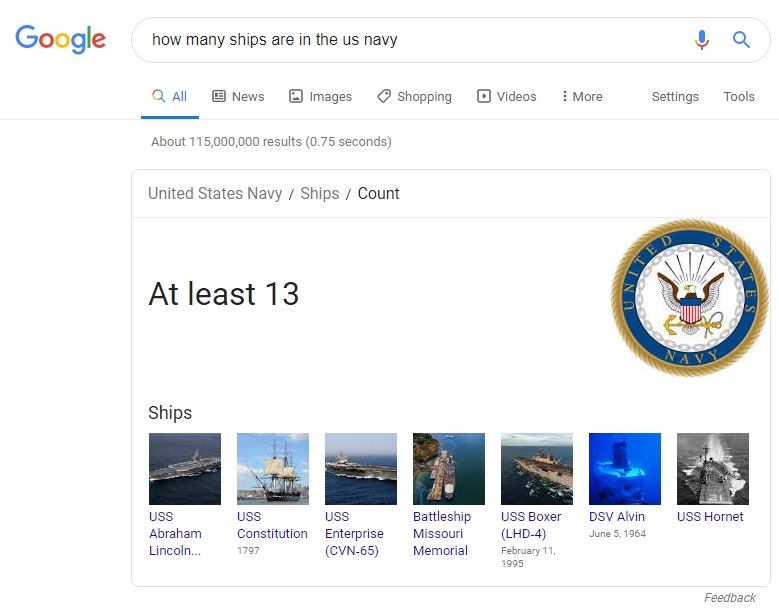
For years, Google has been using Featured Snippets to highlight quick information that may answer your query without ever having to click on a search result. You can see these when you search for recipes, look for lyrics to your favorite songs, or ask questions with relatively simple answers like “How big is the sun?”
Brands have long avoided targeting these snippets which typically appear above all other search results, believing that they reduce the chance of a person clicking onto their website or otherwise converting. However, growing evidence suggests snippets actually drive higher click-through rates and engagement by quickly establishing a single site as the authority.
Over the next year, the competition for these snippets is likely to continue rising, making them the next big fight for search engine results dominance.
2) Mobile Really Comes First
We’ve been talking about this moment for years. We officially use our smartphones and tablets to access the internet more desktop devices.
As such, Google has announced that its ‘Mobile-First Index” would become its primary search index. That means Google is now looking at the mobile version of your site before it ever considers the desktop version when ranking search results.
With this in mind, having a stripped-down mobile version of your site or not having a mobile site is no longer a viable option if you want to succeed online.
Site speed will also continue to be a major ranking factor because of its importance when accessing sites on the go from mobile devices.
3) Visual Search Gets Serious
Visual search has existed as a novelty in online marketing for some time now, slowly improving with each iteration. Now, we are reaching the point where visual search is becoming a major player in search.
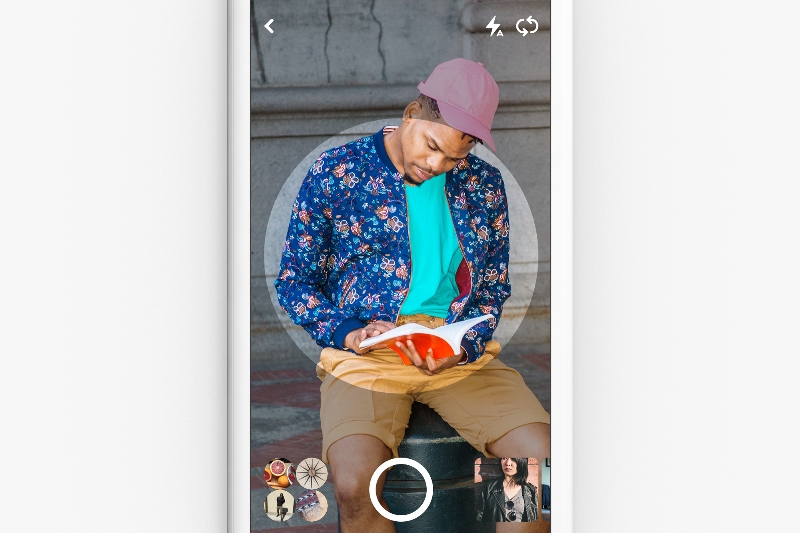
While we don’t have statistics from Google Lens or Bing’s Visual Search, Pinterest’s Lens has been a revealing foray into the viability of visual search.
Within a single year of launch, Pinterest Lens was receiving more than 600 million visual search queries every month. This September, the company announced the tool was able to identify over 2.5 billion unique objects within the fashion and home industries.
With this in mind, it is easy to imagine a day in the near future when people regularly find it easier to snap a quick picture than come up with a precise text query when trying to find a specific item online.
4) Voice Search
Speaking of convenience, people are quickly turning to their Alexas, Echos, Siris, and Dots for their casual search needs – whether it is checking the weather or quickly ordering a product.
Out of all the coming changes, this may have the largest effect on how brands optimize their websites and content. This is because voice queries tend to be almost completely different than the types of queries we make when typing into a browser form.
With some estimates suggesting voice search could account for nearly half of all searches by the end of 2020, brands will have to begin optimizing for more conversational “long-tail” search queries and the unique capabilities of voice assistants.
5) Video Rules The Content Landscape
This is another online marketing trend that has been growing for years, but shows absolutely no signs of slowing down in the coming years.
The simple truth is that videos are more engaging than almost any other form of media, providing both audio and visual information in a quickly consumable package. Thanks to faster internet speeds and improved search indexing, they have also been an increasingly effective tool for sharing your content and driving actual engagement.
To give you an idea, some statistics suggest that videos can increase engagement by more than 80% compared to sharing the same information in simple text or audio clips.
Despite this, many brands have still avoided investing in video marketing because they believe it is inherently expensive or ineffective in local markets. Ironically, most users say they often enjoy videos shot using “authentic” methods like shooting selfie-style using a smartphone as much or more than slickly produced commercial videos.
Waiting for the “next big thing” to blow up before you jump in is a surefire way to always be a step behind your competition online. You don’t have to invest in every whim or indulgence of the digital marketing landscape, but focusing on these five surefire trends is sure to have you starting 2020 at the head of the pack.
https://www.tulsamarketingonline.com/wp-content/uploads/2019/12/5-Online-Marketing-Trends-To-Know-2020.png315560Taylor Ballhttps://www.tulsamarketingonline.com/wp-content/uploads/2018/07/TMO-Logo.pngTaylor Ball2019-12-10 17:15:152019-12-10 17:27:365 Online Marketing Trends You Need To Know Ahead of 2020
Have you ever wonder exactly how Google works? How it sorts through the billions upon billions of web pages to find the best results for users?
The latest video in the company’s “Search for Beginners” series helps explain the basics behind how the search engine functions, including crawling, indexing, and ranking sites in its search results – specifically from the perspective of a business owner trying to get their site ranking well.
While the video doesn’t get into more advanced concepts like Search Engine Optimization, it lays out a very clear picture of how the broad strokes of online search engines work.
If you’ve just set up your first website or you’re considering investing in online marketing, this clip will be enlightening and point you towards some valuable resources like the Google Webmaster guidelines, SEO starter guide, and Google Webmasters portal.
https://www.tulsamarketingonline.com/wp-content/uploads/2019/01/google-1018443_640.png244640Taylor Ballhttps://www.tulsamarketingonline.com/wp-content/uploads/2018/07/TMO-Logo.pngTaylor Ball2019-12-05 15:32:552019-12-05 15:32:55Animated Video Explains How Google’s Search Engine Works
Google’s latest search algorithm update made some significant changes to how local search results are compiled and processed, according to a recent statement from the company.
Though the rollout of the update began in early November, Google only this week explained that it has begun integrating neural matching into its local search algorithm.
In early November, we began making use of neural matching as part of the process of generating local search results. Neural matching allows us to better understand how words are related to concepts, as explained more here: https://t.co/ShQm7g9CvN
As for what neural matching actually is, Google referred people to a tweet from earlier this year which called the process “a super synonym system.”
In more detail, neural matching uses AI to better understand the meaning and intent behind search terms, allowing relevant results to be included even when they do not include a specific keyword in the original query.
“The use of neural matching means that Google can do a better job going beyond the exact words in business name or description to understand conceptually how it might be related to the words searchers use and their intents.”
To put it in plain English, this allows your site or local business listing to be included for relevant searches where you previously may not have been included.
As of yet it is hard to tell exactly what impact this will have on local search results. Despite rolling out globally last month, it may take some time for the true impact to become apparent.
Google has announced it plans to warn users of its Chrome browser about slow sites using a method called “badging”.
The idea is to provide a sign letting users know when a site typically loads slowly before they ever click a link to that site or while the site loads. Google sees this as a way to “reward” fast sites, saying:
“We think the web can do better and want to help users understand when a site may load slowly, while rewarding sites delivering fast experiences.”
For example, Google published one concept for what a slow speed badge could look like while a site is loading:
In this case, it is likely that the badge could increase abandonment rates for slow sites.
The company is also talking about using contextual menus that preview links and would include similar badges indicating a site is fast.
Another idea includes subtly changing the color of loading bars to indicate whether a site is fast:
As the company explained in its announcement:
“Our early explorations will look at a number of Chrome surfaces, including the loading screen (splash screen), loading progress bar and context-menu for links. The latter could enable insight into typical site speeds so you’re aware before you navigate.“
The web browser admits this idea is in the early stages, and may considerably change before they determine “which provides the most value to our users.”
Additionally, the company says they plan to expand the badges to include a number of metrics aside from speed:
“Our long-term goal is to define badging for high-quality experiences, which may include signals beyond just speed.”
https://www.tulsamarketingonline.com/wp-content/uploads/2019/10/Google_Chrome_logo_and_wordmark_2015.png203655Taylor Ballhttps://www.tulsamarketingonline.com/wp-content/uploads/2018/07/TMO-Logo.pngTaylor Ball2019-11-14 15:56:042019-11-14 15:56:04Google Chrome May Warn Users About Slow Sites Before They Click