Meta is launching a new app called Threads set to challenge Twitter following Twitter CEO Elon Musk’s repeated blunders.
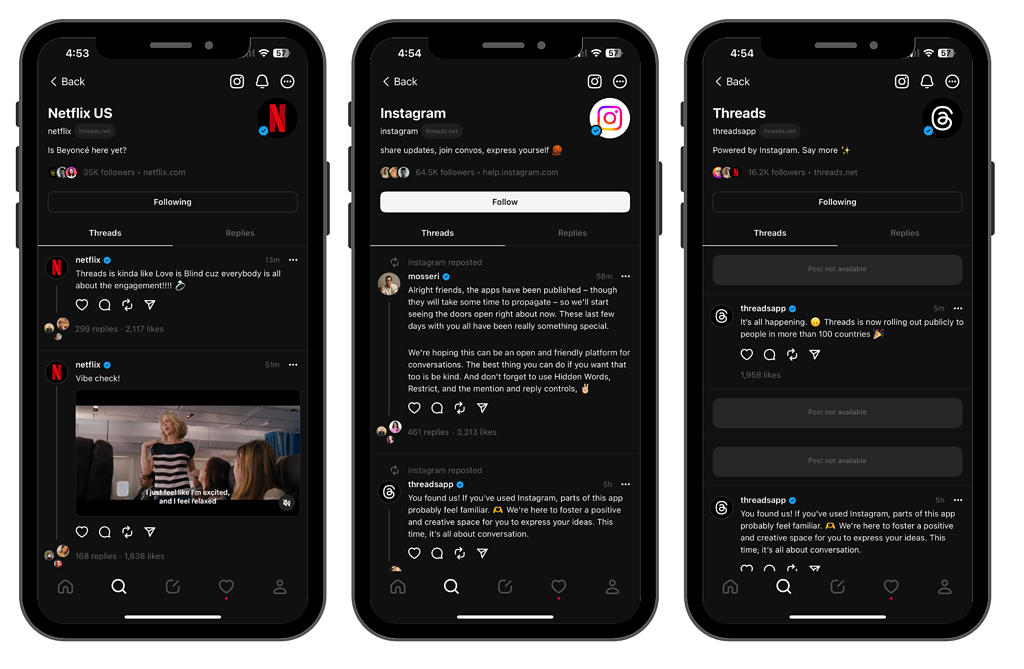
Threads launched on July 5th and has already accrued over 30 million users within 24 hours. The app is largely similar to Twitter with an emphasis on short text-based posts. On the download page, Threads is described like this:

“Threads is where communities come together to discuss everything from the topics you care about today to what’ll be trending tomorrow. Whatever it is you’re interested in, you can follow and connect directly with your favorite creators and others who love the same things – or build a loyal following of your own to share your ideas, opinions, and creativity with the world.”

Why Meta Is Trying To Challenge Twitter Now

Though Elon Musk claims Twitter has seen record-breaking engagement since his takeover of the platform, other metrics suggest the app is losing both users and advertisers daily. 

Overall, users are unhappy with recent changes which include limiting the number of posts users can see, prioritizing paid users, and cutting off third-party access to its API. 

Additionally, the app itself has been increasingly unreliable with long periods of downtime or issues accessing content. 

Tied To Instagram
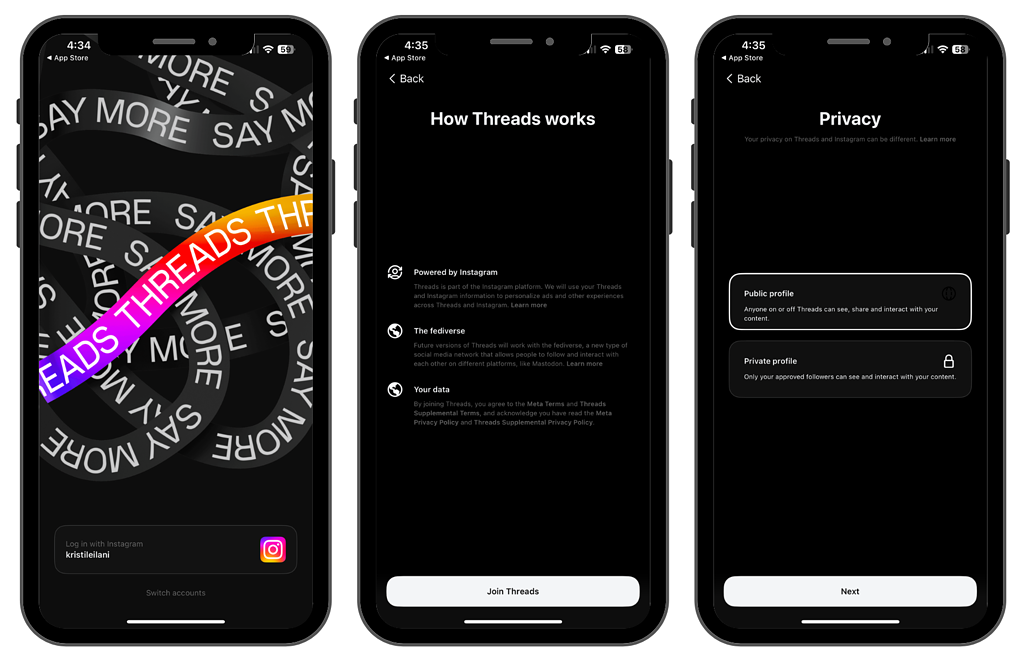
Users can sign up for Threads using the same information they use for Instagram. The app will also let you automatically follow those you’re connected with on Instagram and auto-fill your profile based on your Instagram profile. 

Verified status on Instagram will also transfer to Threads.

For more, check out the app’s site at threads.net or download the app via the Google Play or Apple Store.
Google is giving advertisers more control over where their ads appear in Search with two new features that have only been available to a small number of advertisers previously.

The company announced it will be bringing brand exclusions for Performance Max campaigns and broad match brand restrictions for all advertisers on Search. 

In the announcement, the company said that both pilot tests were “successful” and that bringing these tools to more advertisers would improve campaign performance. They also promise that using brand exclusions and restrictions will help improve reach by guaranteeing your ads are not appearing along controversial, irrelevant, or problematic search content.

Notably, these are one of the many new features on the platform which are being assisted with AI.

Google gave Search Engine Land two statements, one for each new ad feature:

“[Advertisers can] expand the reach of your brand campaigns with new brand restrictions for broad match. Broad match gives you the most relevant reach and conversions within your performance goals.”

“In the past, it may have been difficult to use broad match in campaigns with specific brand needs. That’s why we’re rolling out brand restrictions. This new feature will help you get the additional reach of broad match, while ensuring it is only matching to relevant brand traffic that you’ve specified.”

Just last week, Google Search Liaison, Danny Sullivan, once again took to Twitter to dispel a longstanding myth about word counts and search engine optimization (SEO). 

The message reads:

“Reminder. The best word count needed to succeed in Google Search is … not a thing! It doesn’t exist. Write as long or short as needed for people who read your content.”

Sullivan also linked to long-existing help pages and included a screencap of a statement from these pages which says:

“Are you writing to a particular word count because you’ve heard or read that Google has a preferred word count? (No, we don’t.)”

Of course, this is not a new message from Google. Still, many of the most popular SEO tools and experts still claim that anywhere between 300 to 1,500 words is ideal for ranking in Google search results. 

Incidentally, a day later Google’s John Mueller also responded to an SEO professional who argued there was “correlation between word count and outranking competition?” In a short but simple reply, Mueller said “Are you saying the top ranking pages should have the most words? That’s definitely not the case.”

Most likely, this myth of an ideal SEO word count will continue to persist so long as search engine optimization exists in its current form. Still, it is always good to get a clear reminder from major figures at Google that content should be as long as necessary to share valuable information to your audience – whether you can do that in a couple sentences or exhaustive multi-thousand-word content. 

Would you like to be able to run video ads on streaming services that specifically target LinkedIn users? The social network is testing a new ad product that allows advertisers to reach LinkedIn’s 930 million users as they watch TV or movies at home. 

In a statement to Reuters, the Vice President of Marketing Solutions for LinkedIn, Penry Price, said: “In-stream video ads can change the way brands and buyers reach and engage their audiences.”

The new ad format comes following reports that the company’s ad platform is already up in sales by 8% year-on-year and is looking to further grow its advertising profits.

The new format could also be a boon for advertisers looking to increase their ROI by reaching their audiences with ads while they are most receptive. 

LinkedIn’s ad growth has been a bit of a surprise because it comes at a time when other ad platforms are being hit by falling ad budgets and an overall uncertain economy. Meanwhile, the social network’s ad platform continues to drive revenue from ad sales and subscriptions for recruiters, professionals, and B2B salespeople. 

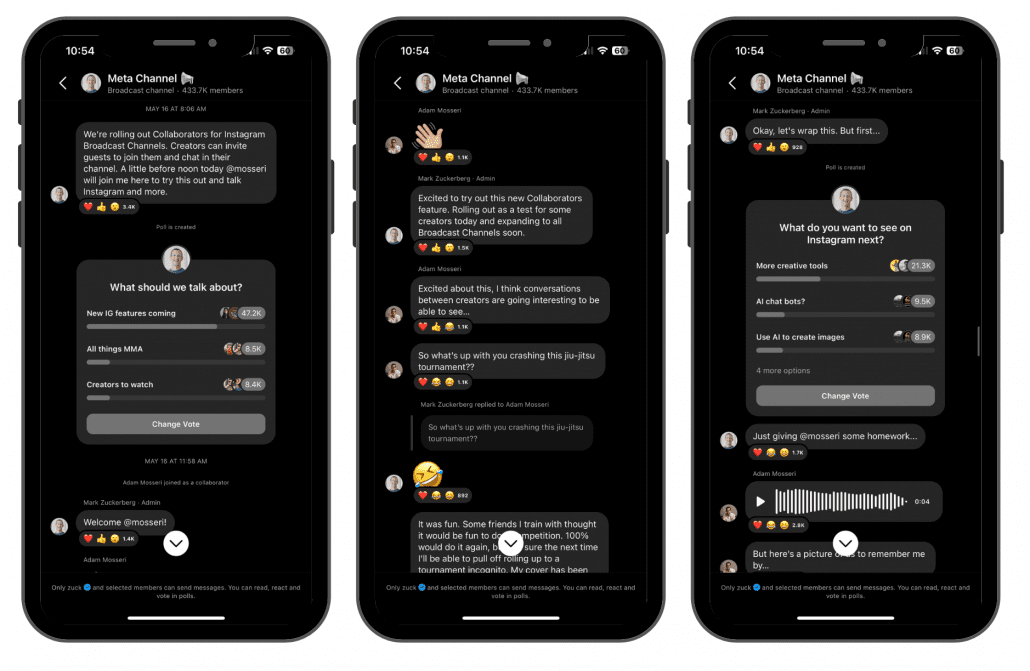
Meta CEO, Mark Zuckerberg, revealed this week that Instagram Broadcast Channels will soon be available to all Instagram users around the world. 

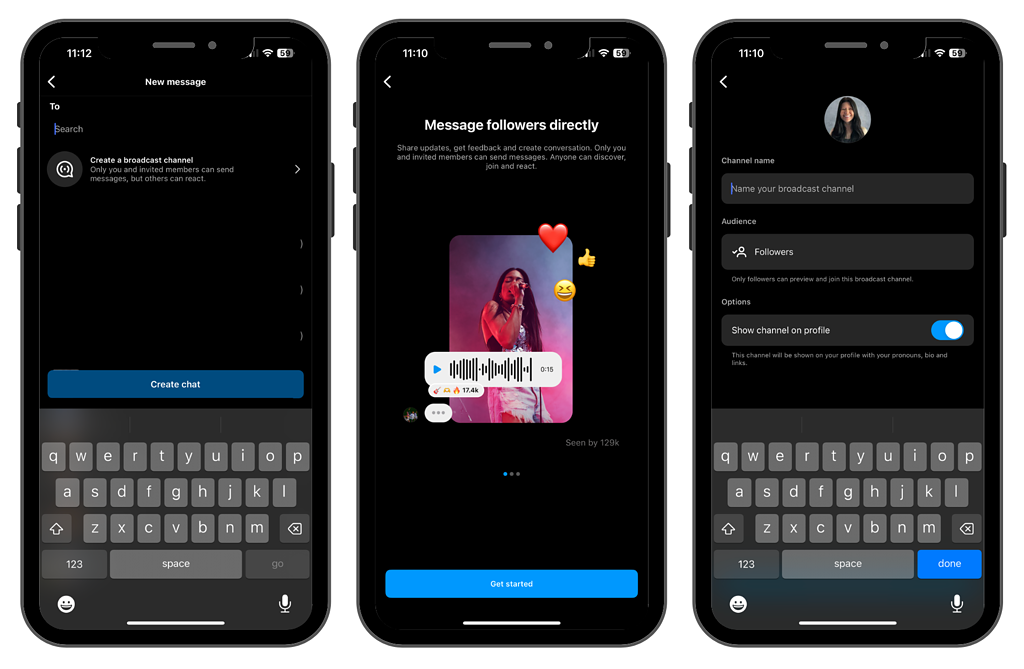
Instagram Broadcast Channels are private, one-way messages to either your followers or paid subscribers, making them a new way to reach your followers with text, photos, videos, polls, and even voice messages no matter where they are in their busy lives. 

While the feature is coming to all worldwide users on the Instagram app, it will not be available on desktop devices using the web-based version of the platform. 

New Instagram Broadcast Channels Experimental Features

Along with the wide launch, Instagram announced a number of new experimental features such as:

  • Feedback prompts for ask-me-anything content or surveys
  • A new dedicated inbox tab for channels
  • Collaborators to invite new audiences to your broadcast channel
  • Expiration dates and times for broadcasts
  • The ability to add content moderators
  • Preview links to promote your broadcast channel
  • Send notifications to let followers know when you launch a broadcast channel

The wide launch of the feature occurred via the new Meta Channel on Instagram, but more information should be available as users get access.

A recent internal presentation obtained by The New York Times suggests that advertisers continue to flee Twitter despite controversial owner Elon Musk passing the CEO position to Linda Yaccarino. 

Although Musk has publicly claimed that “almost all advertisers have returned,” The Times’ data indicates that advertising revenue has declined 59% year on year.

The report also notes that the company has repeatedly failed to meet weekly sales goals by up to 30%, suggesting that efforts to slow the loss of advertisers and bring brands back to the platform have been ineffective. 

Why Are Advertisers Leaving Twitter?

Since taking over the platform, Elon Musk has reduced content moderation and removed restrictions protecting vulnerable communities such as LGBTQ+ individuals from hate speech. 

This has led to a surge of hate speech, extremist content, and explicit content across the platform which has in turn made advertisers wary. Many are uncomfortable with the potential for their ads to be shown alongside objectionable content.

Additionally, the advertisers which have been brought in during Musk’s time have overwhelmingly included adult-oriented advertisers such as online gambling and marijuana brands. 

The fallout has led many major brands, including General Motors and Volkswagen, to fully suspend advertising on Twitter. 

Making matters worse for the company, those who are continuing to advertise on the platform are cutting spending and avoiding the more expensive advertising options. Insiders at the company have stated that high-value placements like banner ads on Twitter’s trends page are often going unsold while major advertisers, including Apple and Disney, have significantly reduced their advertising compared to past years.

Is Twitter Doomed?

Twitter is losing up to 56% of its ad revenue each week compared to the previous year. The biggest question is whether new CEO Linda Yaccarino can turn this trend around. 

While Yaccarino is less controversial than Musk, advertisers may still be concerned that Musk owns and is still involved with the inner workings of Twitter. Additionally, it is unclear whether Yaccarino intends to increase moderation or will continue Musk’s laissez-faire trend which has contributed to the toxi

Effective August 1st, Microsoft Advertising will stop running ads from anyone who is not a verified advertiser. 

The company announced the change this week, almost exactly a year after the Microsoft Ads Advertiser Identity Verification program was announced back in June 2022. 

At the time, the company said the verification program was part of their efforts to “enhance digital advertising safety” by reducing deceptive ads on the platform.

To ensure that any valid business can be verified in a timely manner, the process is automated and relies on government-issued personal identification or business-related documents for verification. 

Now that the majority of advertisers on the platform have been fully verified, the company is moving to stop running ads by those who have not undergone the verification process.

This will happen in a few steps:

  1. Starting July 1, new advertisers will be required to be verified before Microsoft Advertising will serve any of their ads. 
  2. Starting July 15th, brands are encouraged to contact Microsoft support if they have not been verified and have not received an email inviting them to become verified.
  3. Lastly, on August 1, Microsoft Advertising will begin only serving ads from verified advertisers.

What Information Microsoft Advertising Gives Users

Once verified, all ads from a Microsoft advertiser include information about the organization(s) behind the ad. This includes the advertiser’s name and location, information about targeting details used to show the ad, and who is paying for the ad. 

For more, read the newly updated help document from Microsoft Advertising about advertiser identity verification.

Google is transitioning its popular e-commerce service Merchant Center to a new, easier-to-use tool called Merchant Center Next.

As announced during the recent Google Marketing Live 2023 event, Merchant Center Next is not only getting a fresh coat of paint, it is being upgraded to automate tedious processes like updating product data and delivering better insights.

What’s Changing

While the original Merchant Center made retailers manually set up a product feed and add details like pricing, imagery, and descriptions, Merchant Center Next will do all this automatically.

Once the tool pulls product data, retailers can edit or update information as they need.

If they desire, brands can also opt out of using the automated features.

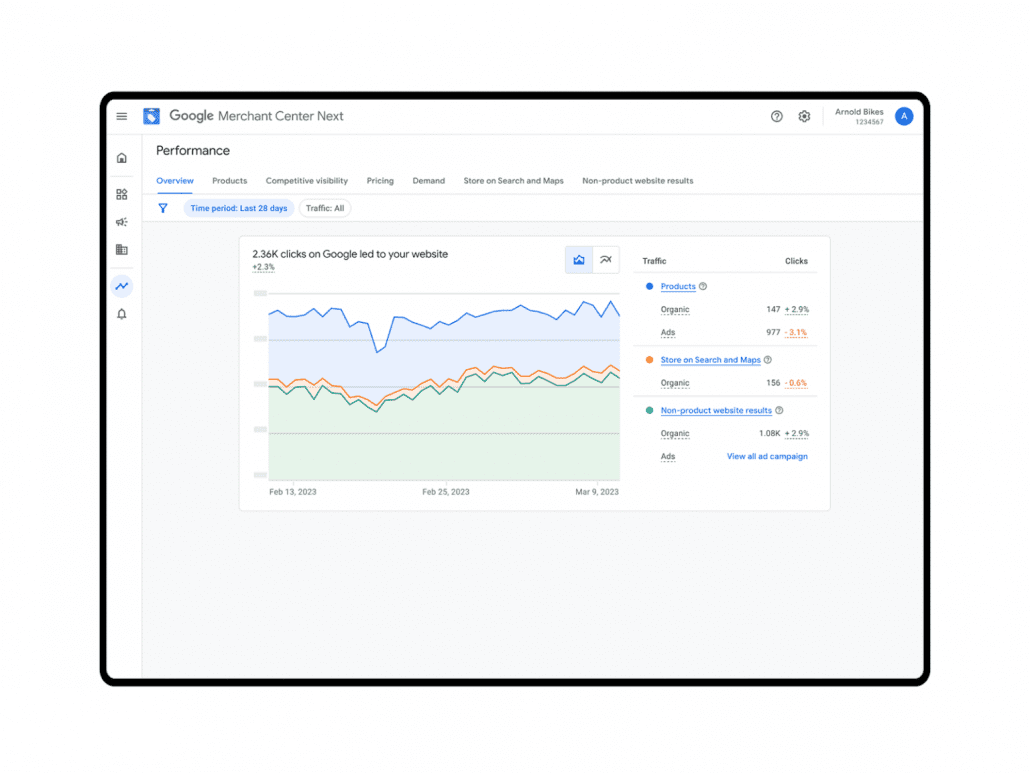
Along with this, Merchant Center Next will contain a streamlined version of the current Performance tab, which will include a range of new details like:

  • Overview
  • Competitive visibility
  • Pricing
  • Demand
  • Non-product website results

Merchant Center Next will also allow retailers with multiple physical locations to manage their products at all locations in one view.

Coming in 2024, or Earlier

Some businesses have already been given access to Merchant Center Next, but it may be some time before everyone can use it. Currently, the service is expected to be completely rolled out in 2024.

Once Merchant Center Next is available, retailers already using Merchant Center will be notified.

The past few years have seen a meteoric rise in the popularity of short-form video content with TikTok and a wave of imitators driving interest in bite-size videos that can be easily consumed on smartphones. 

Now, a recent study by Social Insider shows that just three platforms have set themselves apart as popular social networks for short-form video: TikTok, Instagram Reels, and YouTube Shorts.

While it is unsurprising that TikTok is the overall leader for short-form video, each of the three platforms has its own strengths and weaknesses that may make it appealing for marketing your business. So, let’s get into some of the details of the study and what makes TikTok, Instagram Reels, and YouTube Shorts so popular for this type of media. 

TikTok

As the current hot social network, TikTok easily outpaces the competition when it comes to engagement on posts. In particular, the study notes that TikTok content receives up to twice the number of comments compared to other platforms. 

In terms of pure engagement rates, the report says that TikTok maintains an engagement rate of 5.53%, significantly better than YouTube Shorts (3.80%) and Reels (4.36%).

This high engagement rate does have a downside, however. TikTok is currently the most crowded space for short-form video online with brands posting twice as much content to the platform compared to Reels and Shorts.

Reels

Instagram’s short-form videos may not be as popular as TikTok, but data indicates the medium is still widely-popular with Instagram users. 

According to the report, Instagram Reels has the three’s highest watch rate. It is unclear exactly what contributes to this high watch rate, but Social Insider suggests one contributor may be Instagram’s follower-centric approach. This means that the users most likely to see your videos in their feed are already highly likely to be interested in clicking play. 

Shorts

Compared to the other platforms, YouTube Shorts have shown itself to be a potent tool for connecting with new people and growing its audience. 

The platform noticed early on that users were more willing to click on short videos from creators they were unfamiliar with compared to 10+ minute full-length videos. With this in mind, YouTube started prominently including new or unknown-to-you creators in Shorts on their main page – driving attention to these channels. 

If a user enjoys a Short, they are then more likely to start watching the channel’s regular content. 

Why You Should Consider TikTok, Reels, and Shorts

With each platform’s unique pros and cons, Social Insider believes the best approach is to use each for distinct purposes. 

“Using TikTok, Reels, and Shorts complementarily and creating unique content for each, aligned with the individual’s platform audience and design, is the best approach marketers and brands alike could have,” they concluded.

Google is adding two new campaign types for video ads aimed at driving video views or generating demand. 

The company announced the video-first campaign types during the Google Marketing Live event and said the ads would have placements on all Google-owned and operated properties. 

Below, we will talk a little about what each campaign type offers and when you can expect to try them for yourself.

Video View Campaigns

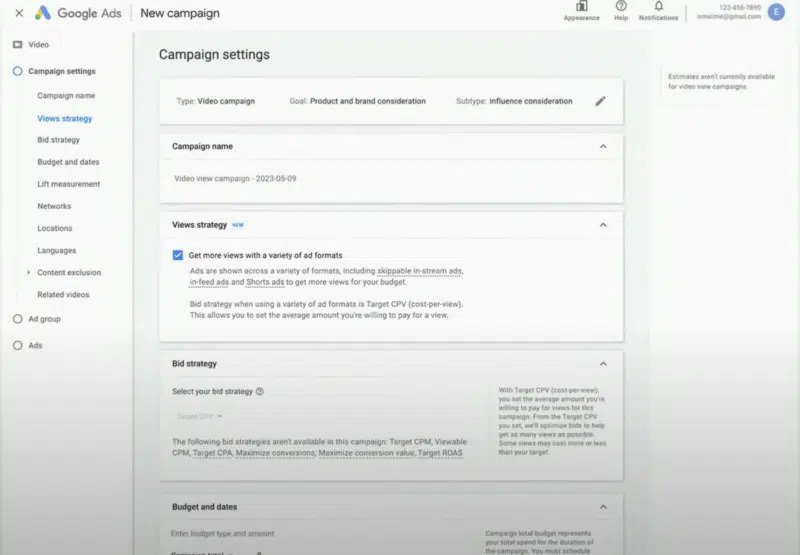
These campaigns are geared towards a singular purpose (driving views) and early testing shows these ads are successful. According to Google, one study using Video view campaigns saw 40% more views on average compared to in-stream skippable cost-per-view campaigns. 

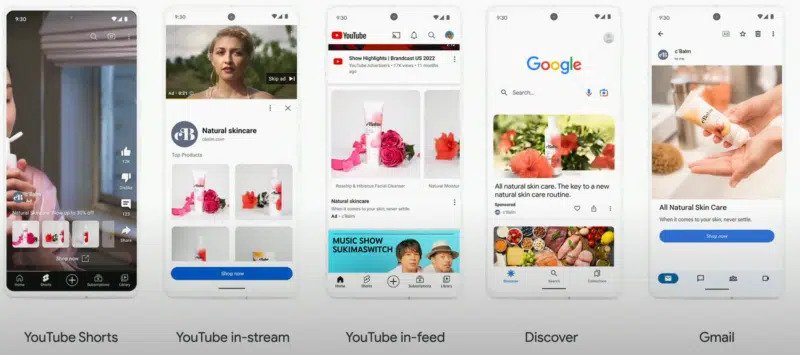
The video view campaign type is also surprisingly versatile, allowing for a variety of formats including in-stream ads, in-feed ads, YouTube Shorts, and more. 

The beta is expected to launch next month.

Demand Generation Campaigns

Demand gen campaigns are one of Google’s latest creations using AI to better engage users and drive action. 

Like Video view campaigns, these campaigns will be available for YouTube Shorts, in-stream and in-feed ads, Google Discover, and Gmail ad placements. 

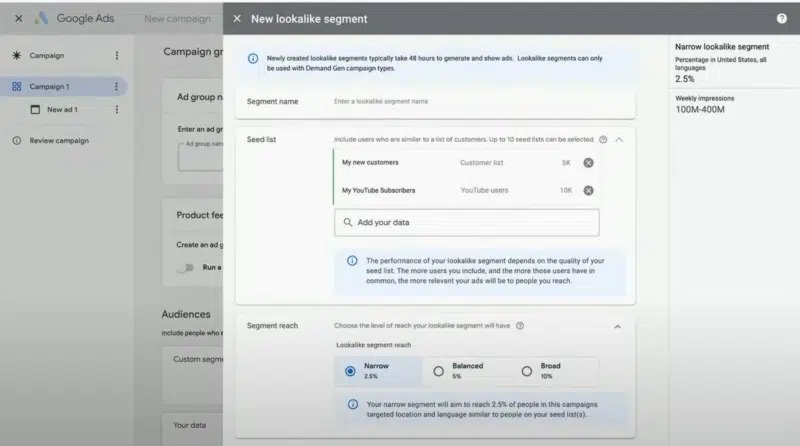
The main draw of Demand gen campaigns for advertisers will be the ability to create Lookalike audience segments based on “seed lists” using data from Google and YouTube users. 

Advertisers can then set their segments to be narrow (2.5% reach), balanced (5% reach), or broad matches (10% reach). 

Conclusion

These two campaign types offer focused approaches for video-first campaigns to accomplish specific goals. While they may not seem revolutionary, these will likely become important campaign options for advertisers looking to expand their reach and find receptive audiences.