
Google has started testing including video ads within its local search results, as shared by Anthony Higman on LinkedIn recently. 

Higman reported seeing new “immersive map view videos” popping up with PPC ads appearing in local packs, the group of local results appearing with a map when searching for businesses near a specific location. 

The test may signal that the search engine is looking to make its local results more rich, with multimedia options beyond the collection of images brands can upload to their Google Business Profiles. 

What To Know

Since the test is very early, there are quite a few questions about how the feature works. 

Experts believe the feature may be tied to settings within the Google Ads’ Location Manager. Specifically, it may be enabled through a setting in the shared library that seems to be opted-in by default. 
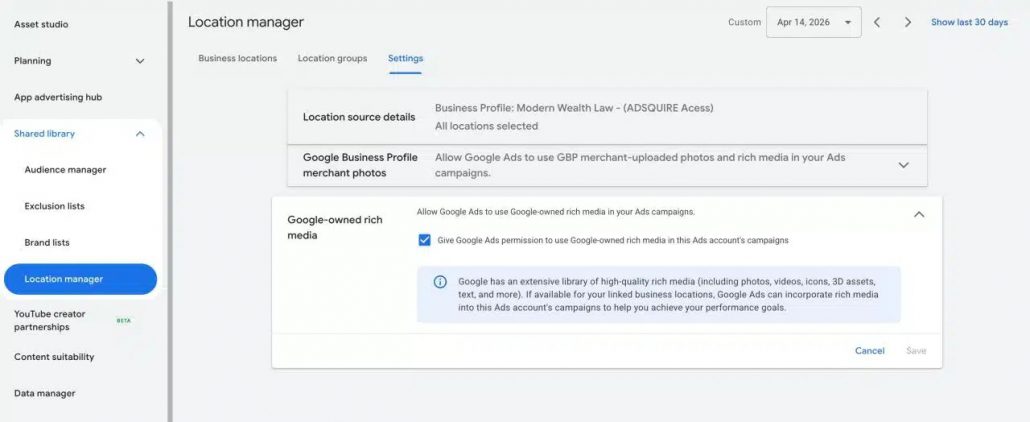
It is also unclear how much freedom advertisers may have with these videos. The current iteration just shows a 360 degree aerial view of the company’s building and it is unknown if Google is considering allowing other types of videos to be included in the local pack. It is also unclear if the video is generated using Google Maps data or if it was rendered by the company associated with the listing.

At the same time, this is a significant shift towards opening the local results to more rich multimedia experiences that could potentially showcase products, locations, and services important to your business. 

Additionally, this feature could potentially give a big opportunity to brands looking for a way to stand out to local consumers with eye-catching media. 

The test is just starting to appear and it could be some time before it becomes widely available, but this is absolutely something to keep an eye on if you are looking for a competitive edge that will help drive more conversions through local ads on Google.


After nearly two weeks, Google has confirmed that its latest core update has finished rolling out. This means brands and sites that may have seen volatility online since March are all-clear to start assessing the impact. 

After being officially announced on March 27, the March 2026 core update finished rolling out after 12 days and 4 hours. This was just short of Google’s initial statement that the roll-out could take up to two weeks to be finalized. 

At the time that it started rolling out, the search engine said the update was “a regular update designed to better surface relevant, satisfying content for searchers from all types of sites.”

As is typical with core updates, there was no warning or further information about what to expect from the rollout. This left many site owners on the edge of their seat, anxious to see if the update would have a sizable impact on their site performance. 

Google notified the public that the update was completed via its Search Status Dashboard yesterday, April 8th, 2026. This means that sites can start accurately measuring the effect of the update and planning for future optimization. 

Were You Impacted By The Core Update?

If you were significantly impacted by the update, you should prepare for a lengthy recovery. Fallout from core updates is often long-lasting, with only gradual improvements until another major core update is released. That said, there are still steps you can take to start recovering now if the core update has led to a drop in site performance. 

In particular, Google recommends assessing your website content to ensure you are delivering quality content that provides value to real internet users and avoiding clickbait or spammy practices to over-optimize your content. To help with this, Google encourages those affected to review their guidelines for people-first content

At the same time, there may not be anything specific to fix. Google has consistently emphasized that a drop in rankings after a core update may not indicate there is anything major wrong with your site. 

As the company said as far back as 2019, “We know those with sites that experience drops will be looking for a fix, and we want to ensure they don’t try to fix the wrong things. Moreover, there might not be anything to fix at all.”

In many cases, the only way to know if you should make changes to your marketing strategies is to conduct in-depth analysis and do an honest self-assessment of your content creation approach.